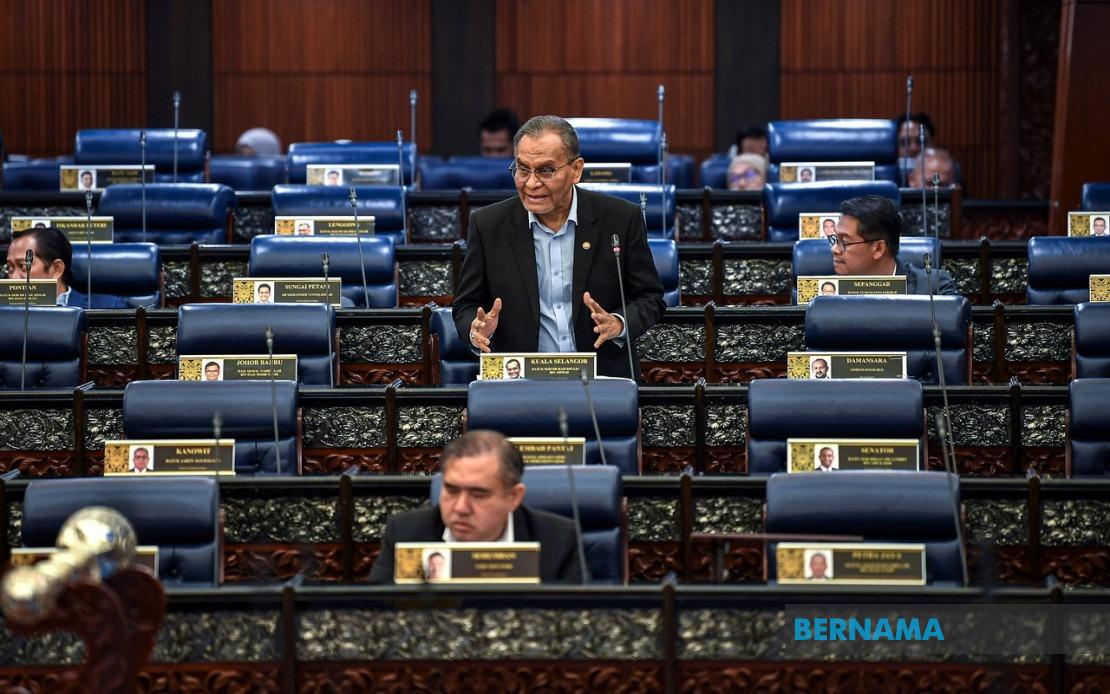
Malaysia's Health Minister Datuk Seri Dr Dzulkefly Ahmad has pledged fresh commitment to sustaining the country's embattled private clinic sector, recognising its critical role in the broader healthcare landscape. Speaking during Ministers' Question Time in the Dewan Rakyat, he outlined a range of intervention measures designed to keep private general practitioner operations afloat while enabling them to compete effectively in an increasingly challenging market environment. The pronouncements come as the private primary healthcare segment faces mounting pressures from declining house officer intake and a wave of clinic closures that have accumulated since 2013.
The scale of the private clinic crisis has become difficult to ignore. According to parliamentary questioning, approximately 2,034 private medical clinics have shuttered their doors over the past decade, a statistic that underscores the vulnerability of practitioners operating outside the public healthcare system. This exodus threatens to undermine a sector that quietly shoulders a substantial burden of Malaysia's primary healthcare delivery. Dzulkefly acknowledged his personal familiarity with this challenge, having witnessed clinic closures firsthand during the COVID-19 pandemic when many private practitioners struggled with operational viability amid reduced patient footfall and heightened running costs.
Central to the government's response is a restructuring of consultation fee economics. The Ministry of Health has raised the minimum consultation fee for private medical practitioners to RM80, up significantly from the previous threshold of RM10. While this adjustment may appear modest in absolute terms, it represents an attempt to improve the financial sustainability of individual practices, particularly for those serving lower-income communities where affordability constraints have historically limited demand. The fee adjustment recognises that practitioners cannot continue offering services at rates that fail to cover operational expenses, staff salaries, and basic reinvestment in clinical infrastructure.
Outsourcing arrangements represent another pillar of the government's strategy to shore up the private clinic ecosystem. By facilitating contractual relationships between private practitioners and public health agencies, the ministry aims to create stable revenue streams that reduce reliance on volatile private patient demand. This model allows private clinics to function as extensions of the public healthcare network, absorbing cases and providing services that might otherwise overwhelm government facilities. Such arrangements have proven effective in other healthcare systems and could provide the financial cushion that many Malaysian private practitioners desperately require.
The broader context for these interventions involves recognising the private sector's foundational importance to Malaysia's primary healthcare architecture. With 10,208 private GP clinics operating alongside 2,916 government health clinics, the private network represents roughly 78 percent of the nation's primary healthcare touchpoints. This mathematical reality means that any significant attrition in private clinic capacity directly amplifies pressure on public facilities already stretched thin by chronic underfunding and rising patient demand. Private practitioners effectively serve as the frontline defence for a substantial portion of the population, managing routine illnesses, preventive care, and early detection of serious conditions before they escalate into hospital admissions.
Dzulkefly's comments suggest a growing policy recognition that public-private collaboration represents not merely a convenience but a necessity for managing Malaysia's evolving disease burden. The prevalence of non-communicable diseases—encompassing conditions such as diabetes, hypertension, cardiovascular disease, and cancer—has expanded dramatically, placing enormous strain on hospital systems designed primarily for acute and emergency care. Integrated management through coordinated private and public primary care settings could theoretically prevent many disease complications that currently drive expensive hospital admissions and prolonged inpatient stays. This preventive approach aligns with principles embedded in the 13th Malaysia Plan, which explicitly incorporates collaborative NCD management between private clinics and MOH facilities.
International examples cited by questioning parliamentarian Dr Halimah Ali—specifically the United Kingdom and Taiwan models—demonstrate how structured integration between government clinics and private practitioners can alleviate hospital congestion while improving patient outcomes. Both systems leverage private sector capacity strategically to manage chronic conditions in outpatient settings, reserving hospital resources for genuinely acute and complex cases. Malaysia could potentially adapt similar frameworks to its own context, provided it addresses the fundamental economic viability challenge confronting private practitioners. Without ensuring that private clinics remain financially sustainable, any policy aspiring toward greater integration risks further deterioration of the sector.
The human element within this crisis deserves particular emphasis. Individual medical practitioners operating private clinics represent not abstract business entities but trained professionals committed to healthcare provision. Many chose private practice to maintain clinical autonomy and direct patient relationships, accepting lower incomes than hospital-based colleagues in exchange for independence. When clinic closures accumulate at the rate observed in Malaysia, the profession itself becomes less attractive to younger doctors, potentially exacerbating long-term workforce shortages. The government's intervention signals recognition that supporting practitioner welfare constitutes an investment in healthcare system resilience.
Looking forward, the effectiveness of these initiatives will depend heavily on implementation quality and willingness to adapt policies as circumstances evolve. Fee adjustments alone cannot sustain clinics if structural barriers prevent practitioners from accessing outsourcing opportunities or if bureaucratic arrangements make public-private collaboration cumbersome. The government must ensure that promised outsourcing arrangements materialise quickly with transparent procurement processes and fair compensation that reflects actual service delivery costs. Additionally, policies should address the declining house officer pipeline, as the next generation of GPs remains uncertain about private practice viability.
For Malaysian healthcare stakeholders, particularly patients dependent on affordable primary care, these policy developments carry real implications. Sustaining a robust private clinic network directly affects healthcare accessibility and reduces pressure on already overburdened public facilities. Conversely, further clinic closures would concentrate healthcare delivery in the public system, creating longer waiting times and potentially forcing postponement of non-urgent care. The regional dimension merits consideration as well—other Southeast Asian nations grappling with similar challenges of healthcare sustainability and disease burden management may observe Malaysia's approach with interest, potentially informing their own policy frameworks.
The minister's commitment signals a policy shift toward recognising the private primary healthcare sector not as peripheral or secondary but as essential infrastructure deserving active government support. This reframing could prove transformative if translated into consistent, multi-year policy implementation backed by adequate resource allocation. However, sustaining momentum beyond parliamentary pronouncements requires sustained attention, adequate funding mechanisms, and willingness to engage private practitioners as genuine partners rather than merely service delivery conduits. The coming months will reveal whether these pledges translate into concrete improvements in clinic viability.

