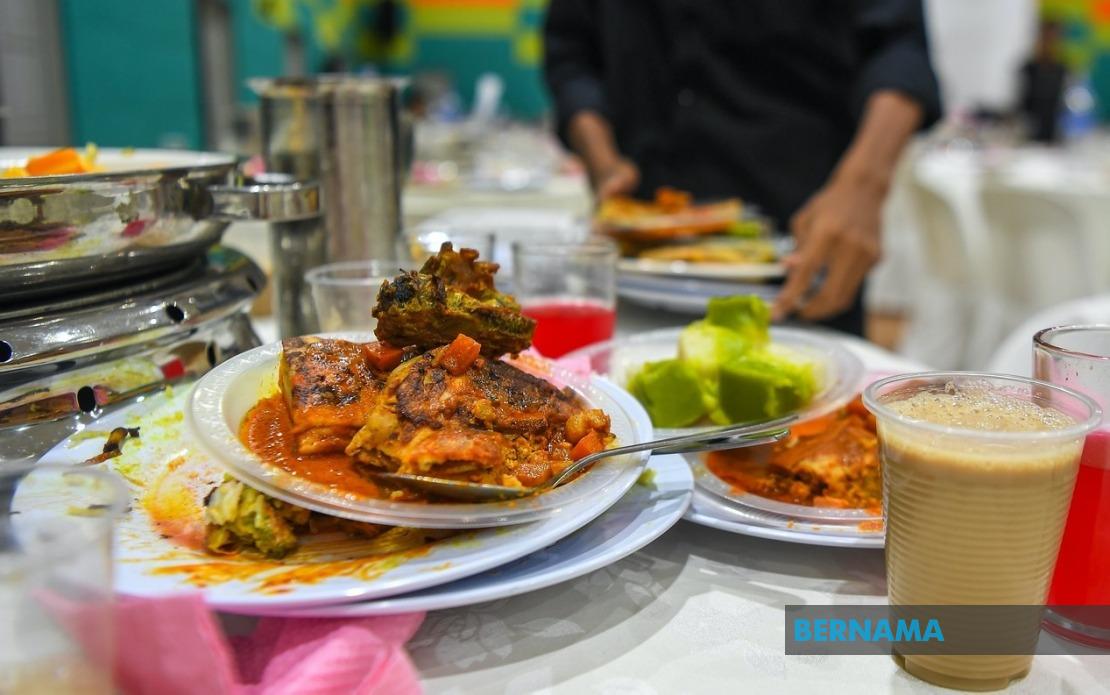
As Malaysian households enjoy greater purchasing power, many are discarding between 31.9 and 97.3 kilogrammes of food per person annually—a troubling trend that reflects a fundamental shift in how the nation consumes rather than a scarcity problem. Datuk Seri Dr Mohd Uzir Mahidin, who stepped down after nine years as Chief Statistician, has identified the root cause: when people move beyond fulfilling basic dietary needs, their shopping habits become disconnected from actual consumption, creating systematic waste that extends far beyond the kitchen.
The relationship between affluence and food waste reveals a paradox in modern Malaysia. States with higher per capita incomes such as Selangor demonstrate significantly greater disposal of edible food compared with regions where household incomes remain modest. This pattern mirrors the broader economic principle that scarcity creates value; when food is abundantly available and frequently discounted, consumers no longer perceive it as precious. The psychology of abundance has replaced the mindset of conservation that characterised earlier generations, particularly among urban populations where supermarkets stock endless variety and promotions encourage bulk purchasing.
Urban and rural divides in food wastage patterns tell a revealing story about Malaysia's social transformation. In cities, the proliferation of social functions means multiple events often occur simultaneously, with overlapping guest lists and nearly identical menus leading to substantial leftovers. Weekend celebrations frequently number five or six occasions daily, with attendees accepting invitations primarily to mark the occasion rather than for the meal itself. Rural areas, traditionally less wasteful, are beginning to mirror urban trends as catering services increasingly replace home-cooked kenduri, fundamentally altering how food is prepared and consumed in communities where such gatherings hold deep cultural significance.
The nature of wasted food provides insight into consumption patterns across income levels. The National Household Indicators Survey 2025 reveals that processed and cooked food generates far more waste than raw ingredients, with 94.1 per cent of households discarding cooked items compared with 88.7 per cent disposing of raw food. This distinction matters: it suggests that the problem lies not in spoilage of perishables but in the preparation and serving of excessive quantities. Rice records the highest wastage rate among cooked foods at 16.7 per cent, followed by vegetables at 15.8 per cent and outside-purchased meals at 13.8 per cent—categories that reflect lifestyle convenience and eating patterns rather than food spoilage.
Among raw ingredients, vegetables top the wastage hierarchy at 29.1 per cent, with fruits accounting for 22.4 per cent and fish or seafood 15 per cent. These figures suggest that Malaysians purchase fresh produce with optimistic intentions but fail to consume items before they deteriorate, a pattern particularly common when promotional pricing encourages oversized purchases. The disconnect between intention and execution grows wider as households with greater disposable income buy food more casually, without the careful meal planning that characterised households operating under stricter budgets.
Promotions and discounting have emerged as unexpected drivers of waste rather than efficiency. When retailers slash prices substantially, the psychological barrier to purchasing dissolves, and consumers load trolleys without considering whether they will actually consume everything bought. The phenomenon extends beyond food into clothing and other consumer goods, particularly through online shopping platforms where artificially low prices encourage excessive purchasing that inevitably leads to waste. This mirrors behaviour observed in many developed economies where price no longer signals true value but instead triggers acquisition regardless of genuine need.
Household dynamics compound the wastage problem in ways that survey data alone cannot fully capture. Mohd Uzir highlighted a common scenario where parents purchase heavily during promotions while children, unaware of bulk purchases at home, buy the same items independently. When these duplicate purchases sit in refrigerators for extended periods, they expire silently, eventually discarded without anyone having consumed them. This breakdown in household communication about food stocks represents a broader challenge: as family structures become more fluid and individual autonomy increases, coordinated consumption planning becomes more difficult.
The broader cultural and economic implications for Malaysia warrant serious consideration. The country has achieved sufficient prosperity that basic food security no longer dominates household decision-making, yet this transition has not been accompanied by corresponding shifts in values around food appreciation and conservation. Without deliberate cultural change, wastage will likely intensify as more households cross income thresholds that enable casual consumption. The environmental and resource implications are substantial: food waste contributes to landfill problems, represents squandered agricultural resources, and reflects inefficiency in Malaysia's supply chains.
Current disposal practices further underscore the gap between awareness and action. The survey found that 79.3 per cent of households dispose of food mixed with general household waste, while only 20.7 per cent separate food waste for distinct handling. This indicates that food waste separation remains an unfamiliar practice for the vast majority, despite growing environmental consciousness. Without systematic infrastructure and household-level habit formation, even motivated consumers struggle to change their disposal routines, meaning that voluntary behaviour change alone will prove insufficient to address the problem at scale.
Mohd Uzir's retirement after 36 years in public service concludes a tenure that has emphasised data-driven understanding of Malaysian society. His observations on food waste reflect a broader recognition that statistics reveal not merely numbers but behavioural patterns that illuminate societal values. The challenge ahead requires moving beyond measurement toward intervention: establishing food waste reduction as a priority in policy and education, restructuring retail practices to discourage wasteful purchasing, and rebuilding cultural norms that treat food as a precious resource rather than a commodity to be casually discarded when surplus or inconvenient.

