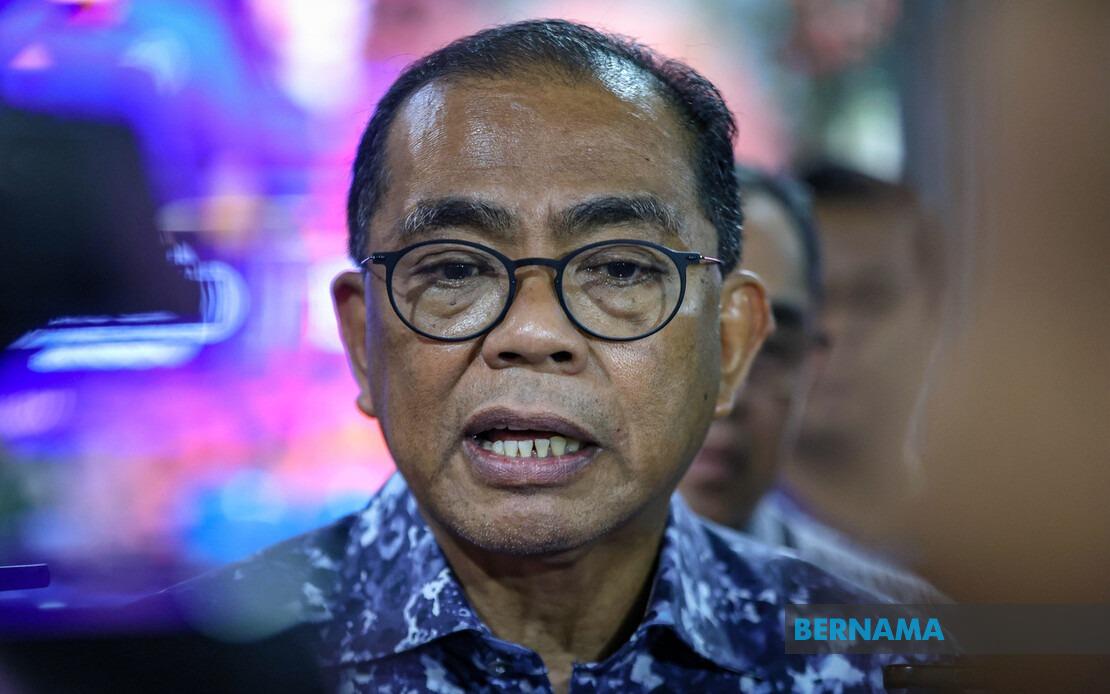
Malaysia's Defence Ministry is accelerating efforts to overhaul the organisational framework governing military personnel advancement, signalling a pivotal shift in how the nation's armed forces manage talent in an era of rapid technological change. The comprehensive reform agenda encompasses three interconnected pillars: restructuring military hierarchies, establishing clearer pathways for promotion, and recalibrating allowance structures to reflect the demanding nature of military service. Minister Datuk Seri Mohamed Khaled Nordin articulated this vision while addressing supporters in Pasir Gudang, emphasising that the proposed changes represent a deliberate alignment between organisational capacity and the evolving needs of modern defence operations.
The crux of MINDEF's reform initiative centres on resolving a persistent structural bottleneck that constrains career mobility throughout the armed forces. Currently, many officers successfully meet the rigorous competency and performance benchmarks required for advancement yet remain unable to secure promotions due to a shortage of available positions in higher ranks and grades. This disconnect creates a demoralising situation where merit alone cannot guarantee progression, potentially driving talented personnel to seek opportunities outside the military. By submitting detailed restructuring proposals to both the federal government and the Public Service Department, MINDEF is seeking approval to expand the vertical capacity within the military hierarchy, ensuring that rank, grade level, and responsibility meaningfully correspond to the strategic contributions officers make to national defence.
The ministry's commitment to talent management takes on heightened significance given the technological sophistication increasingly embedded within Malaysia's defence infrastructure. As the military continues acquiring advanced weapons systems, cyber capabilities, and intelligence platforms, the calibre and retention of skilled personnel becomes directly linked to operational effectiveness. MINDEF's push for improvements has been sustained since the presentation of the Defence White Paper in 2022, which outlined a comprehensive modernisation roadmap. However, translating strategic ambitions into concrete personnel reforms requires navigating complex bureaucratic approval processes, particularly when proposals involve changes to public sector remuneration frameworks that could establish precedent across broader government structures.
A distinctive element of the reform agenda addresses the unique professional circumstances of military officers, who are required to undertake extended training programmes lasting nine months to two years. These lengthy courses absorb considerable career time and impose demanding commitments on servicemembers and their families, yet historically have not been reflected in allowance structures or advancement calculations. MINDEF is advocating for special allowances that recognise this professional obligation, arguing that military training requirements differ fundamentally from typical public sector professional development. Proposals for improvements to the Public Service Remuneration System were formally submitted to the Public Service Department in March of the previous year, indicating that reform efforts have been progressing through official channels for an extended period.
Crucially, MINDEF has explicitly clarified that any acceleration or streamlining of promotion mechanisms must remain anchored in meritocratic principles rather than devolving into automatic advancement. Minister Mohamed Khaled Nordin underscored that expedited promotion criteria will continue to require demonstrated performance, professional competency, personal integrity, and alignment with organisational requirements, all assessed through established evaluation protocols. This positioning addresses potential concerns that reform could compromise military standards or create perceptions of politically motivated advancement. The emphasis on preserving rigorous evaluation processes while accelerating qualified personnel through the system reflects a deliberate attempt to balance inclusivity with institutional integrity.
These defence ministry initiatives align strategically with Prime Minister Datuk Seri Anwar Ibrahim's recent policy announcement regarding acceleration of promotion processes for both Malaysian Armed Forces and Royal Malaysia Police personnel. The Prime Minister signalled in-principle government approval to streamline advancement mechanisms, bringing military and police promotion frameworks closer in alignment with broader public service schemes. This coordination suggests that MINDEF's detailed proposals have resonated at the highest levels of government, encouraging executive commitment to implementation. The government has committed to revealing comprehensive details regarding the new promotion mechanism during the Ambang Merdeka celebration scheduled for August 30 at Stadium Merdeka in Kuala Lumpur, providing a formal national occasion for unveiling what government officials clearly view as a significant policy reform.
The budgetary dimension underpins the practical feasibility of these structural and personnel reforms. The government has pledged to increase MINDEF's allocation within Budget 2027, dedicating additional resources toward strengthening the Malaysian Armed Forces' operational capabilities while simultaneously enhancing the welfare provisions extended to military and security sector personnel. This dual commitment reflects recognition that modernised defence assets require appropriately compensated, professionally developed personnel to operate effectively. Without corresponding investment in human capital development and welfare improvements, technological acquisitions alone would fail to generate proportionate enhancements in national defence capability.
For Malaysian servicemembers, these reforms carry profound implications for career satisfaction and retention. Military personnel contemplating whether to remain in uniform or transition to civilian employment will likely factor improved advancement prospects and enhanced remuneration into their retention calculations. The armed forces have historically competed with private sector employers for talent, and structural impediments to career progression have exacerbated this competition. By removing artificial promotion bottlenecks and ensuring allowances reflect professional demands, MINDEF aims to strengthen the military's attractiveness as a career destination for high-calibre individuals seeking meaningful national service.
The broader Southeast Asian context amplifies the significance of Malaysia's military personnel reforms. Regional security dynamics remain fluid, with neighbouring states investing substantially in defence modernisation and military capability enhancement. Nations competing for strategic influence across the region recognise that armed forces effectiveness depends critically on personnel quality and retention. Malaysia's initiative to systematically upgrade military talent management and compensation structures positions the nation more competitively within regional defence discussions, signalling governmental commitment to maintaining a professional, capable armed forces.
Implementation of these reforms will require sustained coordination among multiple government agencies and departments. MINDEF must work closely with the Public Service Department to navigate remuneration policy changes, coordinate with the Prime Minister's office to align policy timing with government priorities, and engage military leadership to ensure restructuring proposals reflect operational realities. The complexity of this administrative and political coordination explains why detailed proposal submissions and timeline extensions have characterised the reform process. However, with clear executive-level backing indicated by the Prime Minister's announcement, implementation obstacles appear increasingly surmountable.
Looking forward, the August 30 announcement at Stadium Merdeka represents a critical juncture where government rhetoric transforms into policy mechanics. Malaysian military personnel and defence sector observers will scrutinise whether proposed mechanisms genuinely streamline advancement or introduce new bureaucratic layers. The credibility of MINDEF's reform commitment will ultimately hinge on implementation fidelity and the measurable impact on promotion timelines and career satisfaction among servicemembers across different ranks and specialisations.

