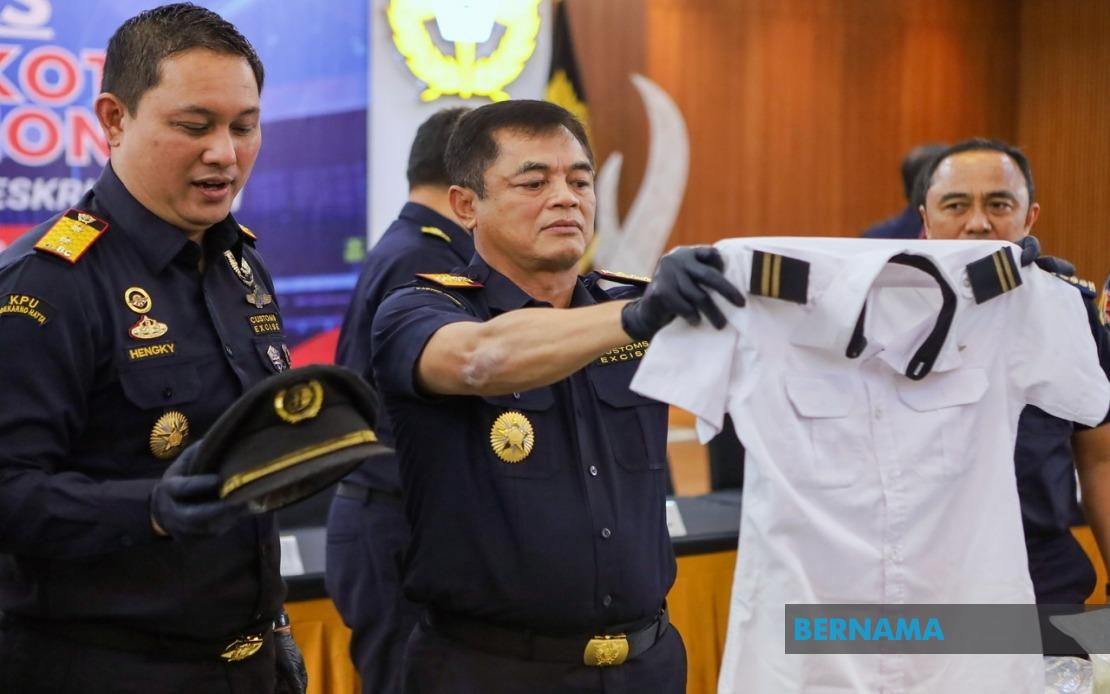
A 39-year-old Malaysian airline pilot faces serious drug trafficking charges after Indonesian authorities discovered approximately 25 kilogrammes of ecstasy concealed in his luggage upon arrival at Jakarta's Soekarno-Hatta International Airport on July 29. The seizure, announced by Indonesia's Director General of Customs and Excise Djaka Budi Utama on Friday, represents one of the region's more significant narcotics interdictions involving an aviation professional and has prompted coordinated investigations between Malaysian and Indonesian law enforcement agencies.
The discovery unfolded when customs officials screened the suspect following his completion of an international passenger flight from Kuala Lumpur carrying approximately 170 travellers. Airport authorities uncovered 14 packages containing roughly 70,114 ecstasy pills alongside four grammes of crystal methamphetamine in the pilot's possession. The ecstasy haul alone carries an estimated street value of approximately Rp60 billion, underscoring the scale of the operation and the substantial financial incentives driving such cross-border criminal enterprises.
Laboratory analysis conducted on samples taken from the suspect revealed the presence of MDMA, methamphetamine, and cocaine in his urine, suggesting regular exposure to multiple controlled substances. This chemical profile has become crucial evidence as investigators attempt to map the broader trafficking network allegedly employing the pilot as a courier. The presence of these substances points toward a sophisticated operation with connections across multiple drug markets, distinguishing this case from simple personal possession charges.
Preliminary interrogation has proven particularly illuminating, with the suspect allegedly admitting to transporting illegal narcotics into Indonesia on at least three previous occasions. Two of these purported smuggling runs utilised Jakarta as the entry point, whilst a third involved a different regional destination, suggesting the network has developed multiple logistics routes and operational protocols. These admissions have transformed the investigation from a standalone case into what authorities now characterise as potential evidence of an established trafficking corridor.
Head of Sub-Directorate II of the Criminal Investigation Agency's Narcotics Directorate Awaludin Amin has publicly indicated suspicions that the arrested pilot represents merely one component within a larger international smuggling syndicate. The coordination required to position a commercial airline pilot as a drug courier, combined with the sophistication of concealment methods and the regularity of alleged smuggling runs, suggests organisational capacity extending well beyond the individual suspect. Indonesian authorities have commenced investigative work to identify the network's other members and trace the intended recipients operating within Indonesia.
The case has sparked particular concern among Indonesian aviation and customs authorities given the unique vulnerabilities it exposes. Flight crew members traditionally receive expedited processing at international airports, classified as low-risk travellers in most nations' security frameworks. This operational reality creates structural opportunities for trafficking organisations seeking to exploit the differential scrutiny applied to pilots and cabin attendants compared to regular passengers. Soekarno-Hatta Customs and Excise Head Hengki emphasised that whilst crew members benefit from dedicated airport channels, Indonesian authorities now apply uniform inspection standards regardless of traveller classification.
The involvement of a commercial pilot adds a disturbing dimension to the trafficking picture. Airlines depend on crew integrity and background security, making the revelation that a licensed pilot participated in narcotics smuggling deeply problematic for aviation industry oversight mechanisms. The suspect's access to aircraft, knowledge of airport procedures, and international mobility create obvious advantages for criminal organisations. This case will likely prompt Malaysian and Indonesian aviation authorities to reassess crew vetting protocols and implement enhanced monitoring systems.
Coordination between Malaysian and Indonesian authorities commenced immediately following the arrest, with both nations recognising the transnational dimensions of the investigation. The Royal Malaysia Police and Royal Malaysian Customs Department have established direct communication channels with their Indonesian counterparts. Malaysia's aviation authorities, working through the Directorate General of Civil Aviation, are cooperating with Indonesian aviation authorities to determine whether other crew members might be implicated or whether similar smuggling attempts have occurred on other flights.
Investigators face the substantial task of unravelling the wider syndicate's operations and determining whether this particular case connects to other documented cross-border smuggling activities in Southeast Asia. The timing and routing of the arrested pilot's flights, combined with his admission regarding previous smuggling runs, may provide crucial intelligence for identifying distribution networks operating within Indonesia. Authorities must also determine whether the intended recipients represent local distribution operations or whether the drugs were destined for transhipment to other regional markets.
The case underscores the persistent challenges facing Southeast Asian governments in combating narcotics trafficking, particularly when criminal organisations exploit legitimate transportation infrastructure and personnel. Unlike traditional smuggling routes relying on concealment in cargo containers or concealed compartments, using trusted aviation professionals offers operational advantages whilst creating particular investigative complexities. The international dimensions require sustained diplomatic cooperation and information-sharing between Malaysian and Indonesian authorities, establishing protocols for future coordination on similar cases.
For Malaysia, the arrest carries implications beyond immediate criminal proceedings. The revelation that a Malaysian national piloting commercial aircraft participated in drug smuggling threatens Malaysia's reputation for aviation professionalism and security compliance. Malaysia's aviation sector, recognised for safety standards and operational excellence, faces potential reputational damage from this incident. Malaysian authorities will need to demonstrate their commitment to identifying whether systematic vulnerabilities enabled this pilot's activities and implementing preventive measures.
Moving forward, the investigation's outcome may reshape how Southeast Asian nations approach crew member vetting, airport security protocols, and international cooperation on narcotics interdiction. If investigators confirm the pilot's membership in a larger trafficking organisation, it would validate concerns that sophisticated criminal networks systematically exploit legitimate aviation channels. The results may also prompt the International Civil Aviation Organization and regional aviation bodies to issue new guidance regarding crew security clearances and monitoring mechanisms, particularly for international long-haul operations connecting major Asian hubs.

