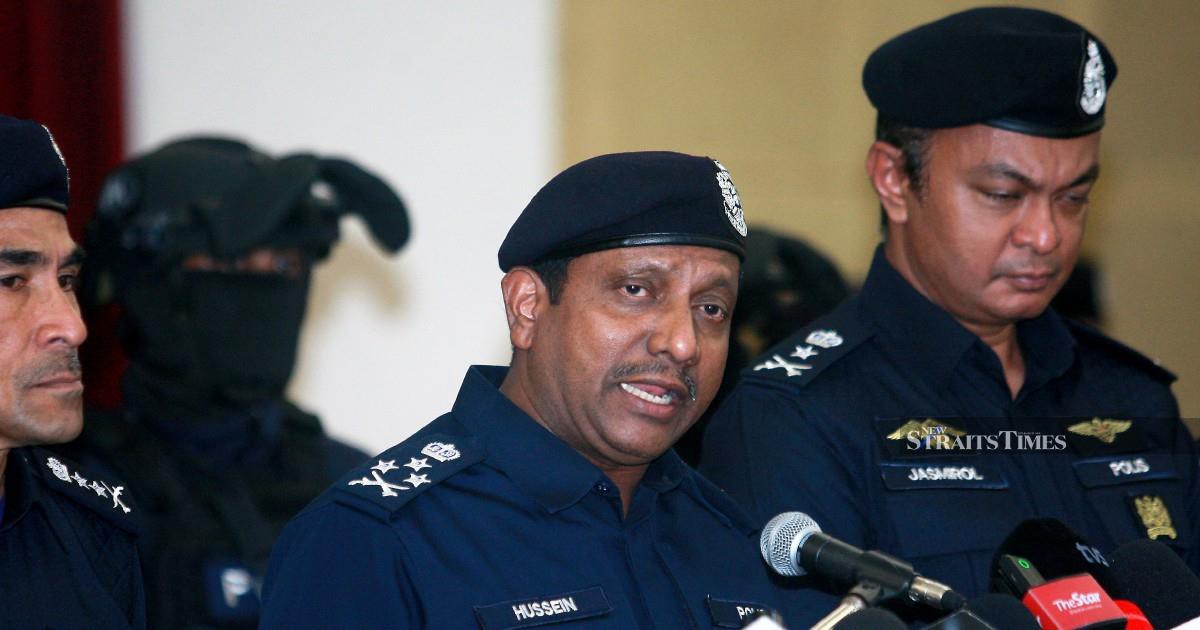
Four investigators from Malaysia's Bukit Aman Narcotics Crime Investigation Department landed in Jakarta on Wednesday morning to conduct interviews with a Malaysian pilot detained by Indonesian authorities. The timing of their arrival marks a significant step in what appears to be a cross-border narcotics investigation involving the suspect, with Malaysian law enforcement moving swiftly to gather evidence while the pilot remains in Indonesia's jurisdiction.
The officers have been granted a narrow two-day window to conduct their interviews, a constraint that underscores the delicate nature of international criminal cooperation between Malaysia and Indonesia. This timeframe suggests careful coordination between the two nations' law enforcement agencies, with Malaysian authorities working within parameters set by their Indonesian counterparts. The urgency to complete questioning within 48 hours indicates the investigation carries some priority, though the exact nature of the allegations against the pilot remains unclear from official statements.
International drug trafficking cases involving aviation personnel present unique investigative challenges. Pilots, given their access to border regions and transportation networks, are occasionally targeted by smuggling operations or caught up in larger organised crime conspiracies. The involvement of Malaysia's specialized narcotics unit suggests the allegations are substantial enough to warrant international cooperation and the deployment of dedicated investigators to a neighbouring country.
The deployment of four NCID officers specifically to Jakarta reflects the sophistication of Malaysia's approach to cross-border criminal investigation. Rather than relying solely on formal diplomatic channels or Indonesian authorities to gather information, Malaysian law enforcement has chosen to place its own personnel on the ground. This approach allows for more direct questioning, cultural and linguistic familiarity, and the ability to follow investigative leads immediately based on the pilot's responses.
Indonesia and Malaysia maintain longstanding law enforcement cooperation frameworks, despite occasional tensions in bilateral relations. The granting of access to interview a detained individual represents a practical manifestation of this cooperation. Indonesian authorities have permitted Malaysian officers to conduct their own questioning, suggesting they either share interest in the investigation or view providing such access as consistent with their obligations under mutual legal assistance arrangements.
The timing of this operation raises questions about when the pilot was initially detained and how Malaysian authorities became aware of the situation. Typically, formal notification through diplomatic channels precedes direct law enforcement engagement. The relatively swift arrival of Malaysian investigators suggests either advance warning of the arrest or immediate activation of established cooperation protocols once Malaysian authorities learned of the detention.
For Malaysian aviation and maritime industries, such incidents carry reputational implications. Pilots occupy positions of trust within commercial aviation, and any involvement in narcotics trafficking raises concerns about security oversight and vetting procedures. The incident may prompt reviews of personnel screening in Malaysia's aviation sector, particularly for pilots engaged in international operations where they might become vulnerable to smuggling recruitment.
The two-day interview window, while seemingly brief, represents standard practice in international criminal investigations where access to foreign suspects is concerned. During this period, the Malaysian team will likely focus on establishing the scope of alleged criminal activity, identifying potential co-conspirators, gathering information about supply chains, and understanding the suspect's movements and contacts. Every hour of the 48-hour window will require strategic planning to maximize the investigative value of their time with the detained pilot.
This development highlights broader challenges facing Southeast Asian nations in combating transnational drug trafficking. Criminal networks frequently exploit the region's extensive transportation infrastructure and numerous international borders to move contraband. The involvement of aviation personnel, whether knowingly or through coercion, provides traffickers with significant logistical advantages. Coordinated responses like this Jakarta mission represent necessary pushback against such operations.
The investigation also raises questions about the broader network that may surround the pilot's alleged involvement. Narcotics trafficking rarely involves isolated individuals; rather, such operations typically feature supplier networks, distribution channels, and money laundering mechanisms. The Malaysian team's questioning will likely explore these connections, potentially uncovering leads for investigations within Malaysia itself or leading to further international cooperation requests.
Moving forward, the success of this investigative visit may depend on several factors: the pilot's willingness to cooperate, the quality of evidence already gathered by Indonesian authorities, and the ability of Malaysian officers to identify and pursue leads within Malaysian jurisdiction. The information gathered during these two days could significantly shape the direction of related investigations in Malaysia and potentially influence how Malaysian authorities respond to similar cases in the future.
The incident underscores the increasing sophistication of transnational crime and the corresponding need for regional law enforcement cooperation. Southeast Asian nations have invested substantially in building mutual assistance frameworks and joint task forces precisely to address situations like this, where criminal activity spans borders and requires coordinated response. The NCID team's presence in Jakarta represents that cooperation in practical action.

