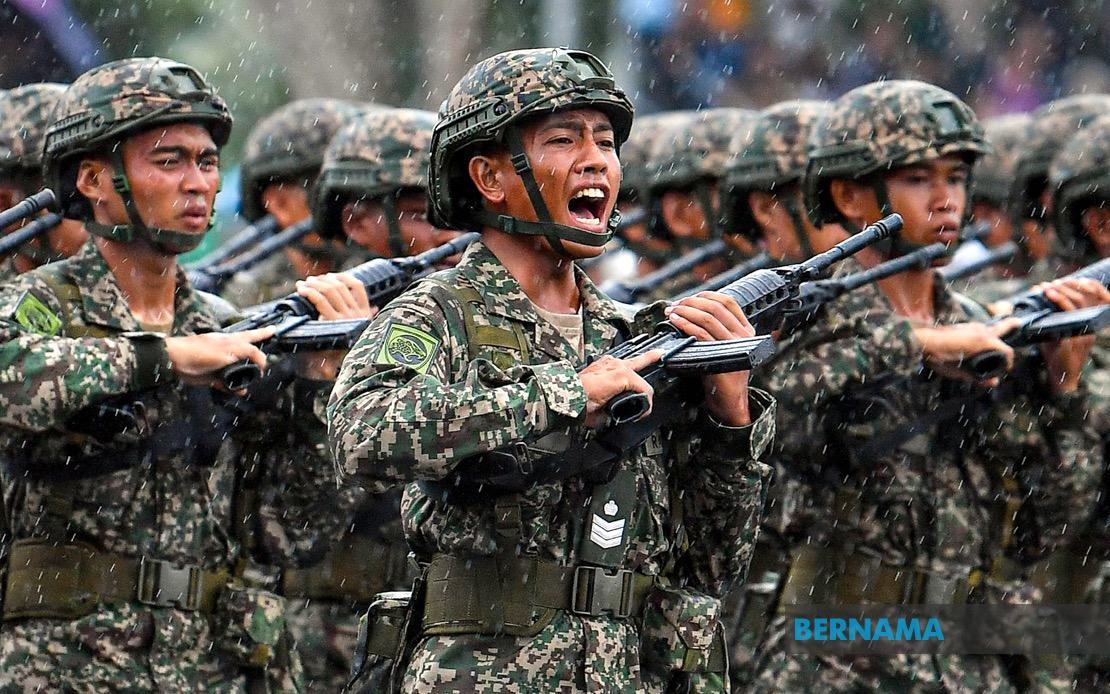
The Malaysian Army has moved to address public concerns about the welfare of trooper Abdul Hamid Talib, reaffirming its commitment to providing the injured serviceman with optimal medical treatment and financial support. The statement comes after media reports on July 27 raised questions about the adequacy of assistance being extended to the 25-year-old Special Forces soldier following his serious injury at Iskandar Camp in Mersing, Johor.
Abdul Hamid sustained catastrophic injuries including a fractured skull during an incident at the camp on March 12, 2026, leaving him in a vegetative state. The nature and circumstances of his injuries have drawn considerable public attention and raised difficult questions about military training protocols and duty of care standards within the armed forces. His medical journey has been substantial, beginning with treatment at Sultan Ismail Hospital in Johor Bahru, followed by transfer to the Tuanku Mizan Armed Forces Hospital and subsequently to the University of Malaya Medical Center, where he continues to receive rehabilitation and ongoing care.
The Army's statement emphasises that member welfare has consistently ranked as a fundamental institutional priority. Since the incident occurred five months ago, the military has worked to ensure that both Abdul Hamid and his family receive multifaceted support spanning medical, financial and administrative channels. This assistance has been coordinated across various government levels, with officials conducting regular welfare visits to monitor his health trajectory and maintain family morale during an exceptionally challenging period. The Army is also preparing contingency arrangements for home-based care following his eventual hospital discharge, recognising that long-term management of his condition will extend well beyond acute medical intervention.
From an internal disciplinary perspective, the military's investigation has reached completion, and what the Army describes as appropriate action has been taken against those identified as responsible. The service termination process for implicated personnel is currently underway, operating within the framework of military law and established protocols. Alongside the military's internal processes, the Royal Malaysian Police has concluded its separate criminal investigation. However, any further prosecutorial steps remain subject to the formal legal system, which operates independently of military administrative action.
The case gained broader visibility when police arrested two 24-year-old soldiers from Iskandar Camp and recovered a 72-centimetre cane believed to be connected to the incident. This evidence suggests that Abdul Hamid's injuries may have resulted from an assault involving improvised weapons, raising troubling questions about discipline mechanisms and safety culture at the facility. The involvement of junior-ranked personnel in such a serious incident has prompted broader scrutiny of command responsibility and institutional oversight within military training establishments.
For Malaysian servicemen and their families, this incident underscores both the inherent risks of military service and the importance of institutional accountability when things go catastrophically wrong. The case resonates particularly in Malaysia's context, where conscription-style commitments and the nature of military discipline remain topics of public sensitivity. Many families with relatives in uniform are acutely aware that participation in defence forces carries occupational hazards that civilian employment does not, yet they expect rigorous safeguards to minimise preventable harm.
The Army's emphasis on factual accuracy in public discussion appears directed at managing narratives that may have circulated about inadequate welfare provision. By highlighting the sequence of hospitalisation at multiple centres and ongoing government-level engagement, the military seeks to demonstrate that systemic support mechanisms are functioning. However, the very existence of public concern about whether a seriously injured soldier's needs are being adequately met suggests potential gaps in communication or perception between institutional response and family expectations.
This incident also carries implications for military reform and institutional transparency in Southeast Asia more broadly. Armed forces across the region continue to grapple with balancing traditional discipline approaches against modern standards of occupational health and safety. Malaysia's armed forces, like their counterparts throughout the region, face mounting international scrutiny regarding treatment of personnel, particularly in contexts where power differentials between ranks may create vulnerability to abuse.
The ongoing medical and rehabilitation care that Abdul Hamid receives will likely persist for many years, given the severity of his injuries. The Army's commitment to support must therefore extend far beyond the immediate post-incident period into his long-term recovery, which may involve substantial ongoing costs for specialised care, equipment, and potential assisted living arrangements. The adequacy of Malaysia's military welfare systems in managing such protracted cases will become increasingly relevant as the serviceman's medical needs evolve.
Moving forward, this case may prompt wider institutional reflection about training safety protocols, supervision standards, and early intervention mechanisms to prevent violence among personnel. The Malaysian military, like defence establishments globally, must balance the demanding requirements of military training against ethical obligations to protect servicemembers from harm. How the institution responds to lessons from Abdul Hamid's experience will significantly influence public confidence in the armed forces' commitment to their own personnel.

