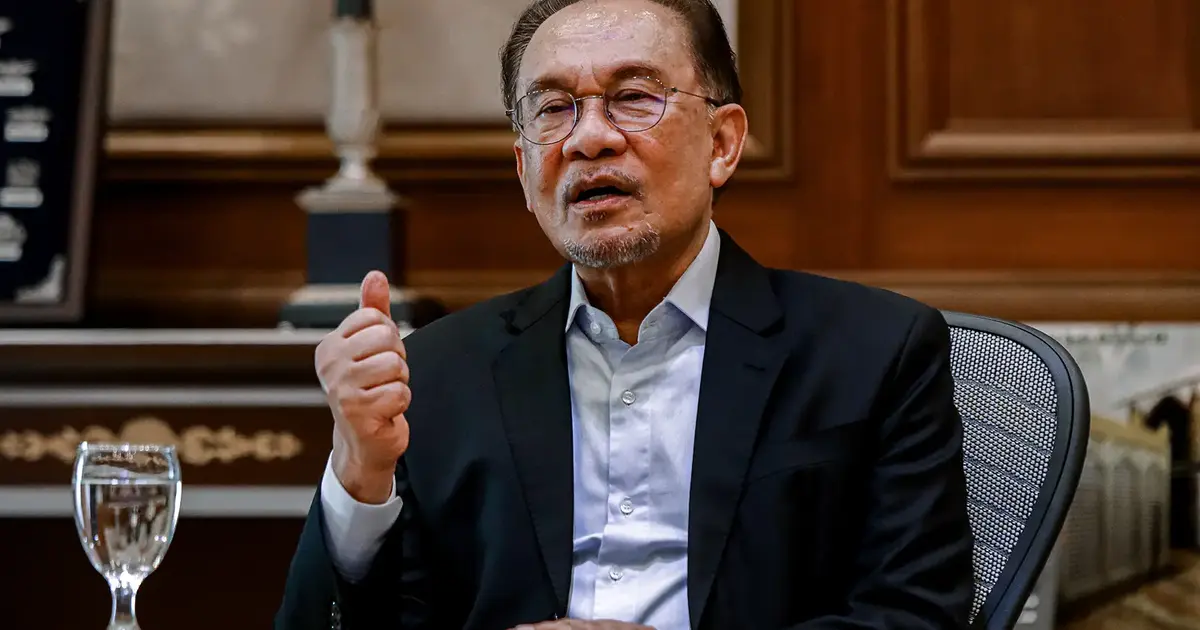
Prime Minister Anwar Ibrahim has issued a pointed warning to developed European nations that countries in the developing world will no longer passively accept what he characterises as unfair and discriminatory treatment. The declaration reflects growing frustration among emerging economies over what they perceive as a pattern of double standards and inequitable policies applied by wealthy nations in international dealings.
Anwar's remarks underscore a broader tension between developed and developing nations on the global stage, where issues ranging from trade practices to defence arrangements have increasingly become flashpoints. The prime minister's comments suggest that Malaysia and other nations in similar positions are prepared to challenge what they view as unjust impositions rather than acquiesce to pressure from traditionally dominant economic and political powers.
As a specific illustration of this principle, Anwar pointed to Malaysia's ongoing defence-related disagreement with Norway. This dispute has become emblematic of the frustrations that developing nations experience when dealing with European counterparts, where different regulatory standards or interpretations of agreements can disadvantage the less powerful party. The prime minister's decision to highlight this particular case demonstrates how Malaysia intends to use such instances to push back against what it regards as unfair treatment.
The Malaysia-Norway dispute centres on defence matters where the two nations have found themselves at odds over the implementation or interpretation of existing arrangements. Rather than accepting the status quo or submitting to external pressure, Malaysia has signalled its intention to explore alternative pathways that better serve national interests. This approach reflects a more assertive posture that developing nations are increasingly adopting in their international dealings.
Anwar's stance aligns with a broader sentiment gaining traction across Southeast Asia and the developing world, where countries are increasingly vocal about demanding reciprocal and equitable treatment in their relationships with established powers. The region has witnessed growing calls for multilateral mechanisms that do not inherently advantage wealthy nations, and for recognition that development disparities should not translate into diplomatic or commercial inequities.
The implications of Malaysia's position extend beyond bilateral relations with Norway. By articulating this principle publicly, Anwar is signalling to other European nations, and indeed to developed countries globally, that Malaysia expects to be treated as an equal partner in international engagements. This includes defence arrangements, trade negotiations, and other matters where power imbalances have historically favoured the developed world.
Southeast Asia's economic and strategic importance has grown substantially, giving countries in the region greater leverage to make such declarations. Malaysia, as one of the region's larger economies and a strategically significant nation, is well-positioned to take this stance. Other nations in ASEAN are likely watching closely to see how Malaysia navigates this situation, as it could set precedents for how the bloc handles similar grievances.
The emphasis on seeking alternative solutions rather than capitulating to external pressure is particularly significant. This suggests that Malaysia is actively exploring other partnerships and arrangements that might better align with its interests. Such alternatives could involve engagement with other developing nations, non-Western powers, or different frameworks that do not impose the same constraints as traditional arrangements with European countries.
Anwar's comments also reflect the broader geopolitical realignment taking place in Asia-Pacific, where countries are increasingly diversifying their international partnerships rather than remaining dependent on traditional Western relationships. The willingness to reject unfair treatment and seek alternatives forms part of this strategic diversification, allowing nations greater independence in their foreign policy calculations.
The Norway dispute, while specific in nature, represents a category of disagreements that are likely to recur as developing nations become more assertive. Issues such as defence technology transfer, regulatory harmonisation, or the enforcement of bilateral commitments frequently pit different legal systems and national interests against each other. How Malaysia and other developing nations handle these disputes will influence the trajectory of their relationships with Europe and set expectations for future engagements.
For Malaysian businesses and citizens, these diplomatic positions have tangible implications. Trade relations, investment flows, defence partnerships, and technological cooperation all depend on the health of bilateral and multilateral relationships. Anwar's declaration signals that Malaysia will prioritise national interests and equitable treatment, even if this means accepting short-term costs or complications in specific relationships.
Moving forward, the Malaysian government appears committed to operating from a position of principle rather than one of supplication. This approach demands confidence in Malaysia's ability to identify and pursue genuine alternatives, and the capacity to weather any retaliatory measures that might result from taking a firmer stance. The success of this strategy will partly depend on how effectively Malaysia can build coalitions with other developing nations facing similar challenges, creating collective pressure for more equitable international norms and practices.

