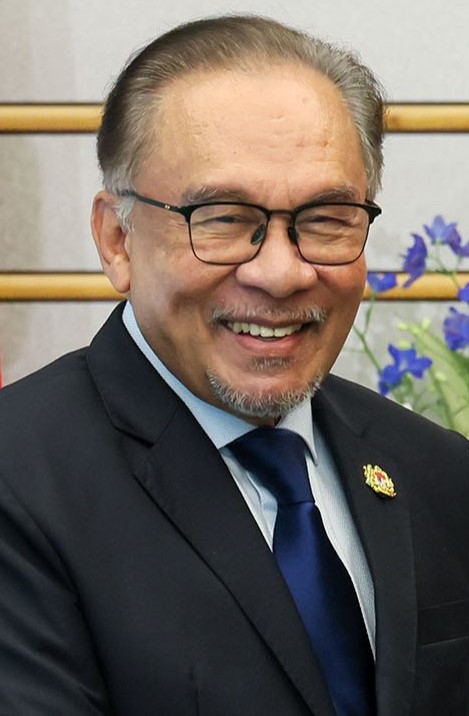
Malaysia has thrown its weight behind a developing accord between the United States and Iran aimed at halting escalating tensions in the Middle East. Prime Minister Datuk Seri Anwar Ibrahim signalled strong backing for the nascent agreement in a statement on social media, noting that both parties have committed to formalising their understanding through a memorandum to be executed in the near term. The development represents a significant diplomatic breakthrough after months of heightened regional anxiety, and Anwar's immediate endorsement underscores Kuala Lumpur's interest in regional stability and international commerce.
The Prime Minister particularly highlighted Pakistan's instrumental role in facilitating negotiations between Washington and Tehran, recognising the mediation efforts that enabled the two powers to shift towards dialogue. This acknowledgement reflects Malaysia's appreciation of multilateral diplomatic engagement and the importance of trusted intermediaries in resolving intractable international disputes. Such recognition also positions Malaysia within a broader coalition of nations invested in de-escalation rather than confrontation, signalling alignment with countries seeking pragmatic solutions to geopolitical tensions.
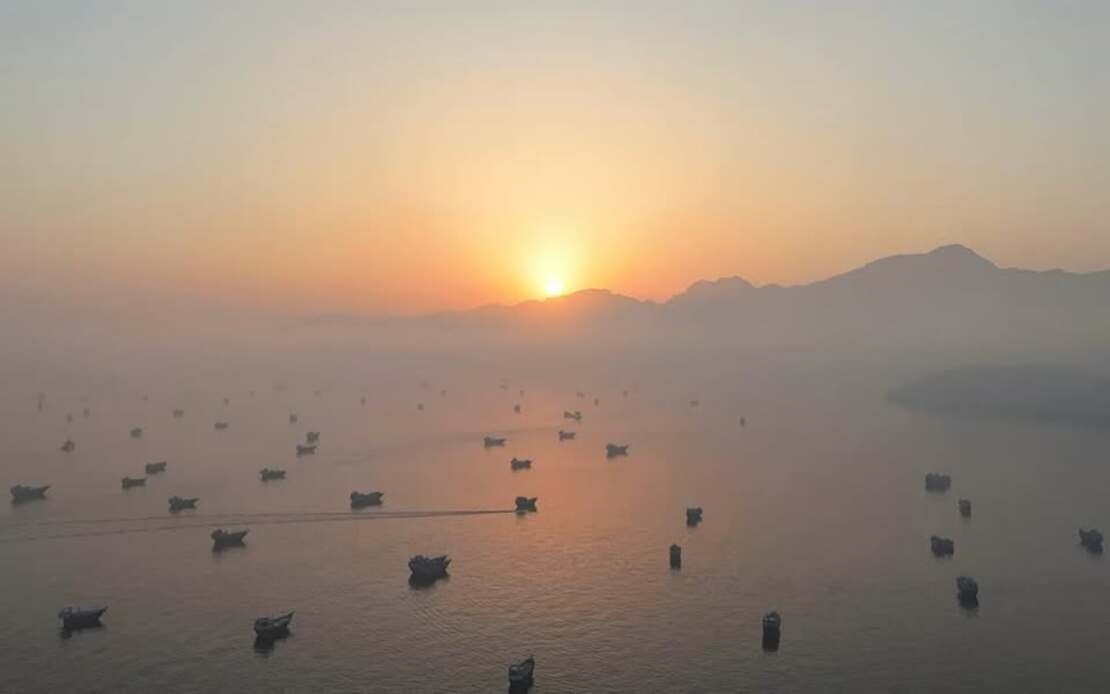
At the heart of Anwar's statement lies an urgent call for the immediate restoration of shipping access through the Strait of Hormuz, one of the world's most strategically vital maritime passages. The waterway carries approximately one-third of global seaborne oil trade, making its security fundamental to the economic wellbeing of nations far beyond the Middle East. Malaysia, as a maritime trading nation deeply integrated into global supply chains, faces direct consequences from any prolonged closure or disruption to the strait. The interruption of energy flows through this corridor creates cascading economic effects across Asia, driving up fuel prices and destabilising commodity markets upon which regional economies depend.
The Malaysian leader framed the reopening of the Strait of Hormuz not merely as a bilateral concern between Washington and Tehran, but as an issue of paramount international significance. He characterised it as a vital conduit for global energy security and the free movement of international commerce, emphasising that the broader world community stands to suffer if hostilities persist or shipping lanes remain compromised. This framing reflects Malaysia's position as a nation with substantial interests in the unimpeded flow of international trade and the stability of global energy markets that underpin its own economic prosperity.
Anwar stressed that prolonged disruption to normal maritime operations serves no party's interests, a pragmatic assessment grounded in economic reality rather than ideological positioning. His statement implicitly acknowledges that further escalation between the US and Iran would inflict widespread pain across neutral nations and trading partners with no direct involvement in the dispute. This perspective carries weight in Southeast Asian capitals, where policymakers must balance relationships with multiple great powers while protecting their nations' economic interests and stability.
Crucially, the Prime Minister urged all parties to demonstrate good faith commitment to translating their diplomatic understanding into a comprehensive and enduring peace settlement. He emphasised the need for swift action without delay, recognising that momentum in diplomatic negotiations can dissipate rapidly if parties allow windows of opportunity to close. This urgency reflects awareness that the current diplomatic opening remains fragile and susceptible to disruption from unilateral actions or escalatory rhetoric by either side.
Anwar issued a pointed warning to all external actors, calling upon them to refrain from actions capable of undermining ongoing diplomacy or reigniting hostilities. This caution serves multiple purposes: it underscores Malaysia's commitment to peace while implicitly cautioning against third-party interference that could destabilise the emerging agreement. The statement reflects concern that other regional or global powers might seek to exploit the situation for strategic advantage, potentially derailing the diplomatic progress already achieved.
The Malaysian government explicitly committed to supporting international efforts toward achieving a just and enduring settlement of the underlying disputes. This pledge positions Malaysia as a constructive voice in the international community, ready to contribute resources or diplomatic capital toward consolidating the peace agreement. Malaysia's offer of support, though symbolic, carries significance given its respected position in the Non-Aligned Movement and its reputation for balanced engagement across geopolitical divides.
The announcement comes after US President Donald Trump declared that a comprehensive agreement with Iran had been finalised, authorising both the reopening of the Strait of Hormuz and the lifting of the American naval blockade that had choked off Iranian shipping. Trump's decision to lift the blockade represents a dramatic reversal of the maximum pressure campaign that characterised earlier US policy toward Tehran. For Malaysia and other trading nations, this shift offers promise of normalised energy flows and reduced maritime tensions, though questions remain about the durability and implementation of such agreements amid deep underlying mistrust between the parties.
For Malaysia specifically, the diplomatic progress carries implications extending well beyond immediate Strait of Hormuz concerns. Stable relations between Washington and Tehran reduce risks of broader Middle Eastern conflict that could draw in US allies in the Asia-Pacific region. Normalised shipping through the strait lowers energy costs for Malaysian manufacturers and maintains stable supplies for the country's electricity generation and transport sectors. Additionally, a more peaceful Middle East reduces the likelihood of refugee outflows or regional instability that could affect Southeast Asia's security environment.
The Malaysian government's measured but supportive response reflects a long-standing diplomatic principle of backing peaceful resolution of international disputes while avoiding excessive identification with any particular party. This positioning allows Malaysia to maintain productive relationships across the region while advancing its core economic and security interests. The emphasis on the Strait of Hormuz's importance to global commerce rather than taking sides in US-Iran disputes demonstrates sophisticated statecraft attuned to Malaysia's regional role and economic dependencies.
Moving forward, Malaysia's position as a maritime nation with significant stake in global energy security and unrestricted international trade places it squarely among the beneficiaries of sustained peace between Washington and Tehran. The country's continued diplomatic engagement and expressed willingness to support peace efforts underscores Southeast Asia's broader interest in a stable Middle East and a rules-based international order that facilitates commerce and investment. Whether the emerging understanding between the US and Iran ultimately translates into lasting peace will substantially shape not only the Middle East but also the economic and strategic environment within which Malaysia and its Southeast Asian neighbours must operate.