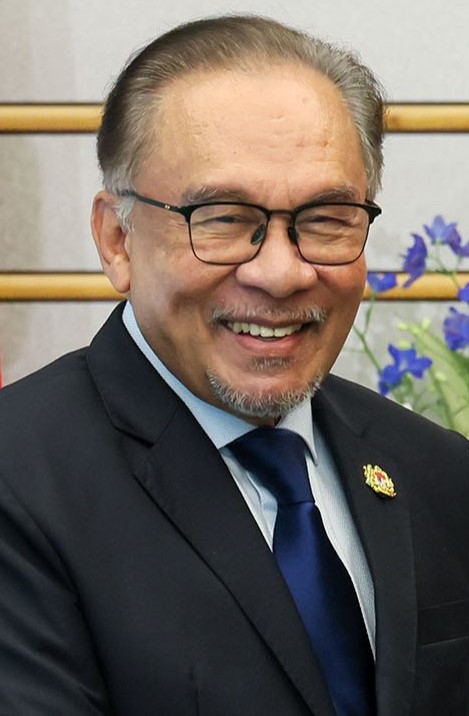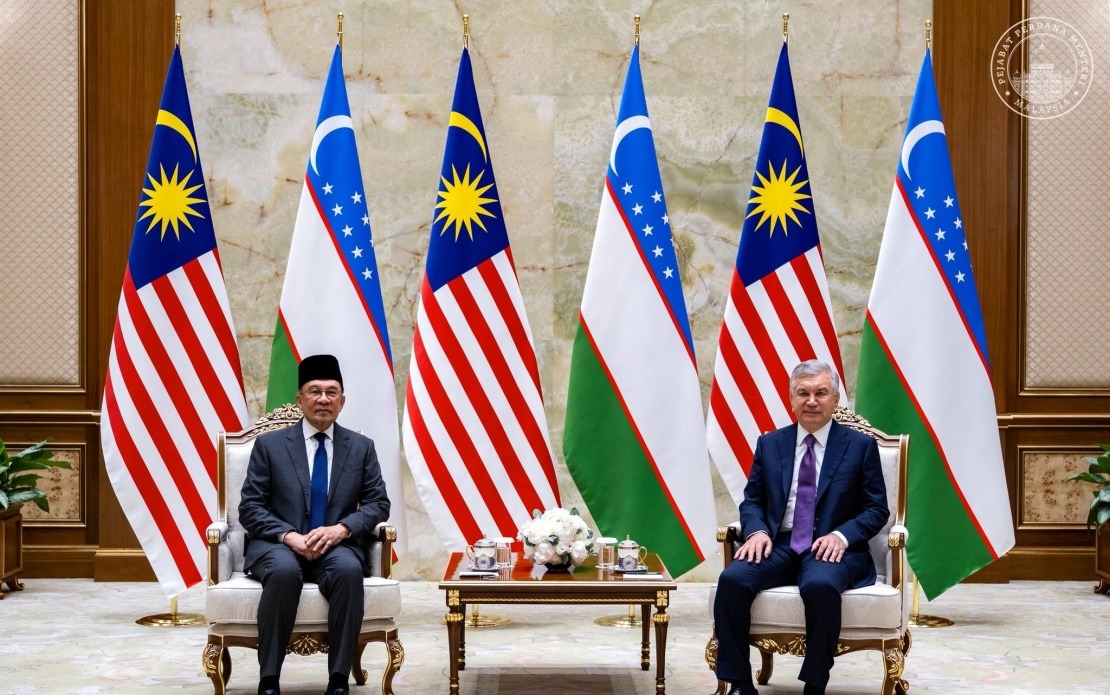
Prime Minister Datuk Seri Anwar Ibrahim has signalled Malaysia's readiness to deepen its partnership with Uzbekistan across multiple strategic domains, following a bilateral meeting with Uzbekistan President Shavkat Mirziyoyev in Tashkent. The encounter, which took place during Anwar's transit stop en route to the ASEAN-Russia Commemorative Summit in Kazan on June 17-18, underscores Kuala Lumpur's commitment to cultivating ties with Central Asian nations beyond traditional regional frameworks.
The meeting focused on identifying tangible opportunities for collaboration in sectors that align with both nations' development priorities. Energy emerged as a particularly significant area of discussion, with both leaders acknowledging substantial potential in the gas and petroleum industries. For Malaysia, which remains energy-conscious given its own hydrocarbon resources and growing regional energy demands, partnerships in these sectors offer pathways to technology transfer, operational expertise and diversified energy supply chains. Uzbekistan, as a major energy producer in Central Asia, represents both a strategic partner and a potential market for Malaysian energy-related services and expertise.
Trade and investment featured prominently in the diplomatic exchange, reflecting the economic dimensions of the relationship. By opening new avenues for bilateral commerce, Malaysian businesses could gain access to Central Asian markets while Uzbek enterprises find opportunities within Southeast Asia's dynamic economies. This bilateral momentum potentially positions Malaysia as a gateway between ASEAN and Central Asia, an increasingly important strategic consideration as global supply chains recalibrate and countries seek to reduce concentration risks in their economic partnerships.
Education cooperation constitutes another pillar of the emerging partnership. Enhanced academic and professional exchanges between Malaysian and Uzbek institutions would facilitate knowledge-sharing in diverse fields, from engineering to Islamic studies. Such initiatives contribute to human capital development in both nations and foster cultural understanding at grassroots levels, creating personal connections that typically strengthen state-to-state relations over the long term.
The halal industry dimension of the proposed cooperation carries particular significance for Malaysia, which has positioned itself as a global halal hub and standards-setter. Uzbekistan, a predominantly Muslim nation with significant production capabilities in agriculture, food processing and manufacturing, represents a valuable partner in expanding halal certification, value chains and market access. Malaysian expertise in halal governance and consumer trust could enhance Uzbek export competitiveness to Muslim-majority markets worldwide, creating mutually beneficial outcomes in an increasingly lucrative global sector.
Tourism formed another discussed area, with both nations recognising untapped potential to attract visitors from each other's populations and regional catchments. Malaysia's well-developed tourism infrastructure and Uzbekistan's rich cultural and historical heritage along the ancient Silk Road offer compelling narrative opportunities for bilateral tourism promotion. Enhanced connectivity and cooperative marketing could unlock visitor flows that benefit hospitality sectors in both countries while fostering cross-cultural appreciation among citizens.
Anwar's emphasis on preserving and upholding Islamic civilisation's intellectual heritage reflected a deeper strategic consideration. Both Malaysia and Uzbekistan maintain commitment to Islamic scholarship and cultural preservation, making this a natural meeting point beyond commercial interests. The discussion acknowledged how historical and scholarly traditions, particularly those that advanced human knowledge during the Islamic Golden Age, remain relevant to contemporary development challenges. This framing positions bilateral cooperation within a civilisational context that resonates with both nations' identity narratives and could justify sustained political commitment to partnership initiatives.
The Prime Minister's recognition of Uzbekistan's growing role in Central Asia and its expanding engagement with ASEAN signals Malaysia's awareness of shifting geopolitical dynamics. As countries across the region seek to diversify partnerships and reduce dependence on traditional powers, Uzbekistan's strategic location and economic weight make it an increasingly important player. Malaysia's outreach reflects broader ASEAN efforts to engage Central Asian states, a region historically less integrated into Southeast Asian diplomatic networks but increasingly viewed as relevant to regional stability and prosperity.
Anwar's appreciation for Uzbekistan's commitment to strengthening ASEAN relations underscores the reciprocal nature of the partnership. Uzbekistan's President Mirziyoyev has pursued active engagement with Southeast Asian nations, and Malaysia's diplomatic initiative honours this openness while positioning Kuala Lumpur as a constructive bridge-builder between regions. This mutuality creates stronger foundations for implementing cooperative arrangements than purely transactional relationships.
The emphasis on advancing human dignity, empowering knowledge and promoting equitable development reflects a shared development philosophy that transcends immediate commercial interests. Both nations face challenges related to inclusive growth, human capital development and sustainable economic transformation. Framing cooperation within this broader developmental context suggests that bilateral ties will address long-term structural challenges rather than merely exploiting short-term opportunities, increasing the probability of sustained commitment from successive governments.
Anwar's gesture wishing Uzbekistan's national football team success in its 2026 FIFA World Cup qualifying campaign against Colombia demonstrated the personal warmth and cultural sensitivity infusing the diplomatic engagement. Such gestures, though seemingly minor, accumulate to create positive atmospheres within which substantive negotiations proceed more smoothly. The timing of this good wish, immediately before departing Tashkent, ensured the parting impression would be convivial and memorable.
The practical outcome of this transit meeting will likely materialise through working-level discussions and specialist committees tasked with developing detailed cooperation frameworks. Energy sector teams will need to identify specific projects, investment requirements and regulatory harmonisation measures. Education ministries will work on accreditation arrangements and exchange programme logistics. Trade bodies will explore tariff schedules and market entry pathways. Tourism authorities will coordinate promotional campaigns and infrastructure development.
For Malaysian policymakers and businesses, this diplomatic initiative opens doors to exploring commercial opportunities in a region increasingly recognised as strategically important to Asian stability and prosperity. As global economic and geopolitical competition intensifies, partnerships with nations like Uzbekistan provide diversification benefits and access to markets and resources beyond traditional Southeast Asian networks. The coming months will reveal whether this promising bilateral momentum translates into concrete projects and measurable economic benefits for both nations.