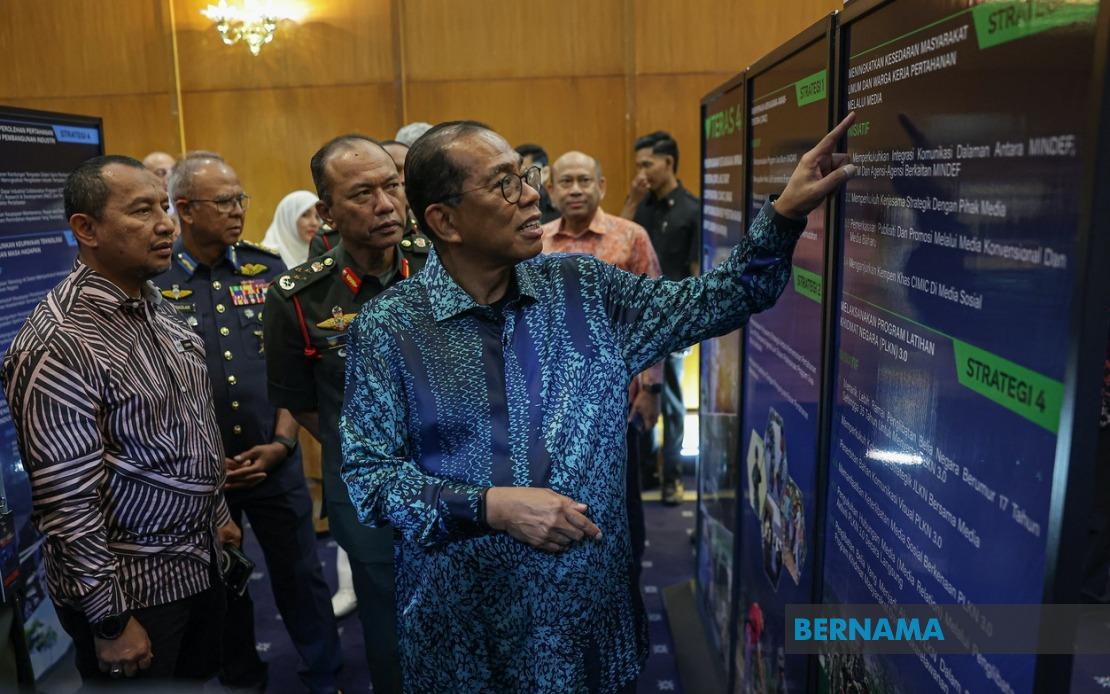
Malaysia's Defence Ministry has introduced a comprehensive new strategic framework designed to strengthen the nation's defence posture amid mounting geopolitical tensions and rapidly evolving security threats across the region. The launch of the National Defence Strategic Plan (PSPN) and the Defence Capacity Blueprint (RTKP) for the 2026-2030 period marks a significant effort to ensure the country's military capabilities remain relevant and responsive to contemporary challenges. Defence Minister Datuk Seri Mohamed Khaled Nordin unveiled both documents at a ceremony in Kuala Lumpur on June 25, positioning them as critical supplements to Malaysia's existing Defence White Paper that will guide strategic defence planning over the coming years.
The decision to develop these complementary frameworks reflects growing recognition within Malaysian defence circles that the security environment has fundamentally transformed. Minister Mohamed Khaled highlighted that the international landscape now confronts an array of interconnected pressures, from intensifying geopolitical competition between major powers to the destabilising impact of disruptive technologies such as artificial intelligence and automation. Beyond conventional military concerns, Malaysia must also contend with increasingly sophisticated non-traditional threats—ranging from cyber warfare and maritime security challenges to transnational organised crime and irregular migration patterns. The Mid-Term Review of the Defence White Paper, which informed the development of both new strategic documents, was explicitly designed to identify gaps in current planning frameworks and create a more flexible, forward-looking approach to national defence.
The PSPN itself is organised around seven interconnected strategic pillars that collectively define Malaysia's defence aspirations through 2030. These pillars encompass the operational readiness of the Malaysian Armed Forces, meaning the capacity to rapidly respond to security threats and maintain effective deterrence; the systematic enhancement of defence capabilities through acquisition and modernisation programmes; the welfare and long-term support of military personnel and veterans, reflecting a recognition that human capital remains defence's most critical asset; and the development of defence-related technology and innovation ecosystems. By anchoring strategic planning to these specific pillars, the PSPN provides clear direction to military planners and defence industry partners while maintaining sufficient flexibility to adapt as circumstances evolve.
Crucially, the RTKP represents a deliberate shift toward ensuring that strategic ambitions can actually be realised through adequate resourcing and institutional capacity. Minister Mohamed Khaled employed an instructive metaphor in describing the relationship between the two documents: while the PSPN articulates national defence objectives and charting the desired destination, the RTKP functions as the essential mechanisms ensuring Malaysia possesses the practical means to reach those goals. This capacity spans multiple dimensions—the financial resources required for equipment acquisition and maintenance, the human capital necessary to operate and sustain sophisticated defence systems, the technological expertise and research capabilities that underpin innovation, and the inter-agency coordination that allows civilian government institutions to support military objectives.
The whole-of-government and whole-of-society philosophy embedded within these frameworks reflects a maturation of Malaysian defence thinking. Rather than treating national defence as the exclusive domain of the Defence Ministry or military establishment, the new strategic approach recognises that security challenges increasingly demand inputs from multiple government agencies, academic institutions, private sector defence contractors, and civil society organisations. This integrated perspective acknowledges that threats such as cybersecurity attacks on critical infrastructure, maritime boundary disputes, and irregular migration require coordinated responses spanning diplomacy, law enforcement, economic policy, and military capability. The inclusive framework also facilitates greater transparency and public engagement with defence policy, potentially building broader societal consensus around defence spending and strategic priorities.
The strategic plans arrive at a moment when Malaysia is actively modernising its defence inventory. The Defence Ministry confirmed that three ANKA Medium Altitude Long Endurance Unmanned Aircraft Systems arrived in March and have already been deployed operationally at Labuan Air Base. These sophisticated surveillance and reconnaissance drones significantly extend Malaysia's ability to monitor extensive territorial waters and airspace—a critical capability given the country's maritime geography and the strategic importance of the Straits of Malacca. These platforms provide persistent surveillance without risking pilot lives and offer cost advantages compared to conventional manned reconnaissance aircraft.
Beyond unmanned systems, Malaysia's defence modernisation pipeline includes several high-capability additions that underscore the strategic plan's credibility. The acquisition of FA-50M light combat aircraft represents a significant step in modernising the air force's operational fleet, providing enhanced agility and weapons capabilities compared to existing inventory. The procurement of maritime patrol aircraft addresses critical needs in ocean surveillance and search-and-rescue operations across Malaysia's extensive maritime zones. Complementing these air assets, the Defence Ministry is receiving additional Littoral Mission Ships designed specifically for operations in Southeast Asian waters, enhancing Malaysia's capacity to project presence and respond to maritime security challenges throughout the region.
These equipment acquisitions gain particular significance when understood within the broader Southeast Asian security context. The region faces mounting challenges from great power competition, with major powers increasingly asserting influence through military modernisation and strategic partnerships. China's expanding military capabilities and assertive posture in disputed maritime areas create strategic imperatives for regional nations to strengthen their own defence capacities. Simultaneously, non-traditional threats such as transnational terrorism, human trafficking, and illegal fishing operations demand the kinds of surveillance and rapid-response capabilities that modernised armed forces can provide. Malaysia's strategic plan explicitly situates national defence preparedness within these regional dynamics.
For Malaysian defence industry and technology sectors, the new strategic framework creates concrete opportunities. By emphasising defence technology and innovation as a core strategic pillar, the PSPN signals government commitment to developing domestic capabilities rather than relying entirely on foreign defence imports. This approach offers potential partnerships for Malaysian technology companies, research institutions, and engineering firms, potentially creating high-value job opportunities and contributing to broader technological development. The emphasis on human capital and professional competencies also suggests increased investment in military training and education, with potential spillover benefits for civilian sectors including engineering, logistics, and advanced systems management.
Implementation of these ambitious plans will require sustained political commitment and budgetary discipline over the coming years. The relationship between strategic aspirations and resource constraints remains a perennial challenge for defence planners globally. Malaysia must balance defence modernisation against competing fiscal demands from education, healthcare, and infrastructure development. However, the explicit recognition within the RTKP that capacity-building extends beyond Defence Ministry budgets—encompassing civilian agencies and private sector actors—suggests a creative approach to resource mobilisation that may ease some fiscal pressures. Success will depend on whether the strategic plans maintain political salience beyond the current government administration, ensuring continuity of implementation regardless of electoral outcomes.
The launch of these strategic frameworks also carries diplomatic dimensions within Southeast Asia. As Malaysia articulates clearer defence ambitions and modernisation timelines, neighbouring countries and regional partners gain greater visibility into Malaysia's security intentions and military trajectory. This transparency, combined with explicit commitments to regional cooperation and rules-based frameworks implicit in Malaysia's strategic approach, contributes to a security environment where neighbours understand each other's intentions more clearly—potentially reducing miscalculation risks. Regional security organisations like ASEAN benefit when member states communicate their defence strategies comprehensively, enabling better crisis management and confidence-building.
Looking forward, the 2026-2030 planning horizon positions Malaysia to navigate a critical five-year period in regional geopolitical competition. The successful implementation of both the PSPN and RTKP will substantially influence Malaysia's strategic position and defence capabilities heading into 2030. By establishing clear strategic direction, identifying capacity requirements, and committing to systematic modernisation, Malaysia demonstrates intent to remain a credible defence player within a challenging regional environment. The test of these ambitious plans ultimately lies in execution—whether the Defence Ministry and supporting government agencies can maintain momentum, secure necessary resources, and translate strategic blueprints into operational military capabilities that genuinely enhance national security.

