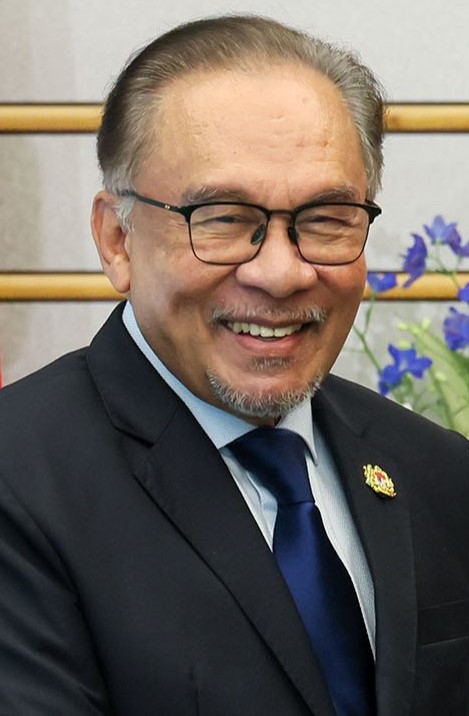
Prime Minister Anwar Ibrahim is set to embark on a working visit to Russia tomorrow, where he will hold crucial talks with President Vladimir Putin as part of a broader ASEAN-Russia engagement. The diplomatic mission underscores the Malaysian government's commitment to addressing energy supply security, a concern that has moved to the forefront of the nation's economic agenda. Speaking at a community gathering in Muar today, Anwar outlined how the bilateral discussions will prioritise ensuring uninterrupted flows of crude oil and diesel to Malaysia, reflecting the strategic importance of maintaining robust relationships with global energy producers during an era of supply chain volatility.
Energy security represents a cornerstone of Malaysia's broader economic resilience strategy. The Prime Minister emphasised that the upcoming discussions with Russian leadership will focus on guaranteeing the continuity of petroleum supplies to the country, a matter he characterised as essential for protecting Malaysia's economic stability. This proactive diplomatic engagement comes amid growing concerns across Southeast Asia about potential supply disruptions that have already begun affecting neighbouring nations. By leveraging Malaysia's established relationships with major oil-producing nations, the government hopes to insulate the domestic economy from the kind of energy shocks that have destabilised regional markets in recent months.
The geopolitical context for this visit is particularly significant. Recent military tensions in West Asia, including strikes involving Israel and the United States against Iran, have raised alarm about potential disruptions to one of the world's most critical maritime chokepoints. The Strait of Hormuz, through which a substantial portion of global oil supplies transit daily, faces periodic closure threats when regional hostilities escalate. Such disruptions would have immediate and cascading effects on Malaysia's energy costs and economic competitiveness. Anwar acknowledged these risks openly, noting that any sustained closure of this strategic waterway would translate directly into higher global oil prices, which would ultimately ripple through to Malaysian consumers and businesses.
Malaysia's current fuel pricing advantage represents a tangible benefit of the government's diplomatic efforts and prudent economic management. The Prime Minister highlighted that Malaysia continues to maintain one of the world's lowest domestic retail prices for RON95 petrol, set at RM1.99 per litre. This competitive pricing reflects not only the country's own petroleum resources but also the government's ability to negotiate favourable supply arrangements with international partners. Preserving this price advantage requires ongoing diplomatic engagement and secure access to international oil markets, making the Russia visit a practical extension of domestic economic policy.
The timing of Anwar's visit takes on additional urgency given recent diplomatic signals from Pakistan. The Prime Minister revealed that he had received updated information from the Pakistani leadership suggesting that ongoing armed conflicts in West Asia might be approaching resolution. According to these discussions, a potential agreement could be reached as early as Friday, which would theoretically ease pressures on maritime trade routes and stabilise global energy markets. However, this optimistic scenario remains contingent on developments beyond Malaysia's direct control, underscoring the importance of maintaining diverse energy partnerships and supply relationships.
The broader implications of this diplomatic initiative extend beyond Malaysia's borders to encompass the entire Southeast Asian region. Several neighbouring countries have already experienced disruptions to their energy supplies, creating a cautionary example for Malaysian policymakers. By engaging directly with Russia during this ASEAN-Russia meeting, Malaysia positions itself as a proactive participant in regional energy diplomacy. The visit demonstrates how individual ASEAN member states leverage the bloc's collective framework to address shared vulnerabilities in supply chain security and economic resilience.
Russia's significance in global energy markets cannot be overstated, particularly in the context of ongoing geopolitical restructuring. Despite international sanctions and market volatility, Russia remains a major exporter of petroleum products. For Southeast Asian nations seeking to diversify their energy sourcing, maintaining dialogue with Russian leadership proves strategically valuable. Malaysia's approach reflects a pragmatic foreign policy that prioritises economic security over ideological considerations, allowing the country to tap into alternative supply sources and negotiate terms that serve national interests.
The discussion of energy supply security also touches on broader questions of economic sovereignty and resilience. Anwar's emphasis on maintaining good international relations as a path to securing energy supplies reflects an understanding that in today's interconnected global economy, diplomatic relationships directly translate into material economic benefits. Countries that isolate themselves or neglect international engagement often find themselves at disadvantageous positions when negotiating critical resource agreements. Malaysia's strategy of active engagement with multiple international partners, both within ASEAN and globally, positions the nation to weather external shocks more effectively.
Looking forward, the outcomes of Anwar's Russia discussions may establish frameworks or agreements that provide Malaysia with enhanced access to Russian energy exports. Such arrangements could include long-term supply contracts, favourable pricing mechanisms, or joint ventures in energy-related sectors. The establishment of concrete energy security measures during this visit would provide Malaysian businesses and consumers with greater certainty regarding future fuel availability and pricing. This, in turn, supports broader economic planning and investment decisions across the domestic economy.
The intersection of energy policy and international relations highlighted by this visit reflects contemporary global realities where resource security has become inseparable from diplomatic strategy. Southeast Asian nations, including Malaysia, occupy a strategic position in global trade flows and energy markets, making their ability to maintain stable supply chains crucial not only for regional development but for global economic stability. Anwar's working visit to Russia should be understood as part of a comprehensive effort to strengthen Malaysia's position within this complex geopolitical and economic landscape, ensuring that national interests in energy security remain protected amid shifting international circumstances.