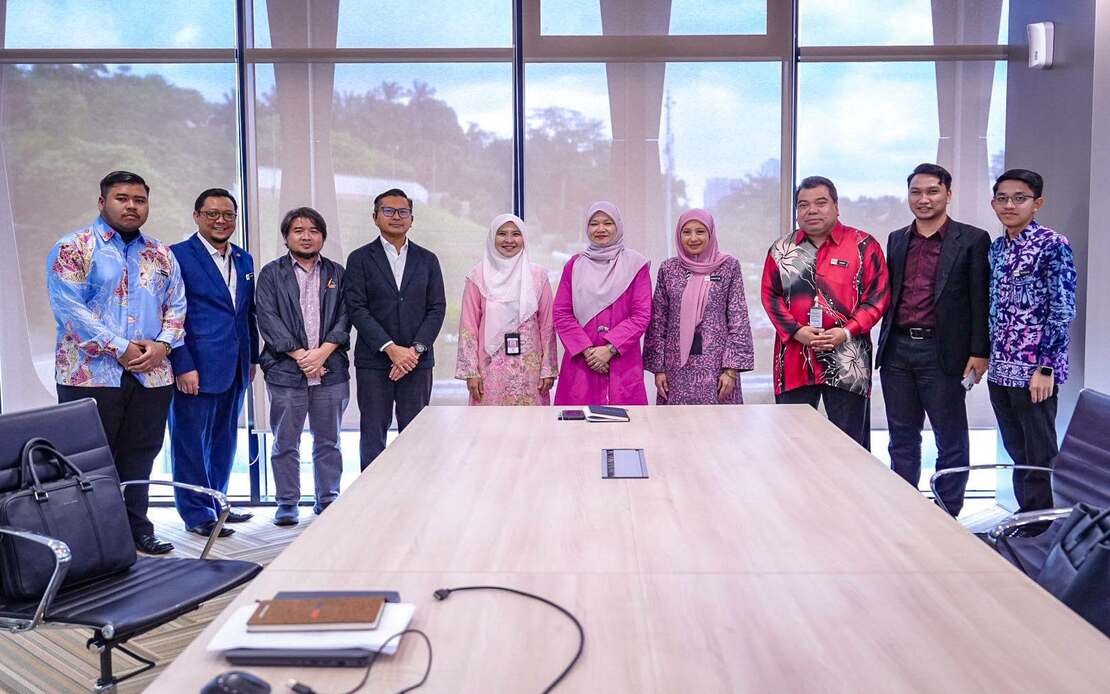
The Malaysian Education Ministry is preparing a comprehensive advocacy initiative to educate students, educators, and parents about critical child protection legislation, marking a significant step toward strengthening safeguarding mechanisms within the nation's schools. Education Minister Fadhlina Sidek announced that awareness programmes centred on the Child Act 2001, the Anti-Bullying Act 2026, and the Sexual Offences Against Children Act 2017 will be systematically rolled out across educational institutions nationwide. The decision emerged from discussions between the ministry and Malaysia's Human Rights Commission, signalling institutional alignment on child welfare priorities at the highest level.
The coordination with SUHAKAM represents a recognition that combating threats to child safety requires sustained collaboration between government agencies responsible for education and those mandated to protect human rights. A delegation led by SUHAKAM's Children's Commissioner Dr Farah Nini Dusuki and Dr Mohd Al Adib Samuri engaged directly with Fadhlina, creating a platform for the human rights body to communicate specific concerns about vulnerability patterns affecting Malaysia's young people. This working relationship suggests that advocacy efforts will be informed by evidence and expertise gathered through complaints, investigations, and research conducted by the independent commission, potentially rendering campaigns more targeted and contextually relevant.
The inclusion of the Anti-Bullying Act 2026 signals official acknowledgment that bullying remains a persistent problem within Malaysian educational settings despite previous initiatives. By designating it as a focal point for advocacy rather than assuming awareness has achieved saturation, the ministry implicitly recognises gaps in implementation and understanding at ground level. Teachers, students, and parents may possess incomplete knowledge about what constitutes bullying under the statute, the procedures for reporting incidents, or the consequences that offenders face. Systematic education about the law's provisions, coupled with practical guidance on recognising and responding to bullying situations, could translate policy into tangible behavioural changes.
Sexual harassment and assault affecting children represent particularly grave concerns that justify dedicated advocacy attention. Discussion of the Sexual Offences Against Children Act 2017 during ministerial meetings reflects official concern about inadequate awareness of legal protections available to vulnerable minors. Many children and even some educators may be unfamiliar with how the law defines sexual offences, what reporting mechanisms exist, or what support services are available to victims. Creating systematic opportunities to disseminate this information through schools positions educational institutions as nodes in a broader protective network rather than isolated settings where victims might suffer in silence.
The scope of the rollout across the entire education sector indicates ambitions for comprehensiveness. Rather than piloting programmes in selected districts or school types, the approach signals intention to ensure uniform access to information about child rights and protections. This breadth presents logistical challenges, as messaging must remain consistent while accommodating different age groups, cultural contexts, and institutional capacities. The ministry and SUHAKAM will likely need to develop differentiated materials for primary and secondary students, train educators to deliver programmes effectively, and establish mechanisms to monitor uptake and effectiveness across thousands of institutions.
Fadhlina's emphasis on maintaining safe learning environments extends advocacy beyond legal awareness into institutional culture change. Schools serve not merely as venues for delivering content but as communities where norms around respect, consent, and accountability must be actively cultivated. When education officials position child protection as a non-negotiable priority, they signal to school administrators, teachers, and students that addressing bullying, harassment, and abuse is central to institutional mission rather than peripheral. This framing potentially mobilises stakeholders to embed protective practices into daily operations, from classroom behaviour management to school policy frameworks.
The timing of this initiative occurs within a broader regional context of increased attention to child protection. Southeast Asian governments have faced mounting pressure from civil society, international bodies, and evidence of harm to strengthen legal frameworks and enforcement mechanisms addressing threats to children. Malaysia's move to systematise advocacy about existing laws demonstrates responsiveness to these pressures while leveraging instruments already within the legal arsenal. The strategy avoids waiting for new legislation while focusing on ensuring that contemporary statutes achieve their intended protective effect through genuine understanding and application.
Implementation success will depend substantially on resource allocation and sustained commitment beyond initial announcements. Awareness campaigns frequently generate initial momentum but fade without ongoing reinforcement and institutional support. Schools must receive training materials, funds for awareness activities, and clear guidance on integrating child protection education into curricula. Teachers require professional development to navigate sensitive topics appropriately, and school counsellors need resources to support students who disclose abuse following heightened awareness. SUHAKAM's involvement suggests external accountability mechanisms may monitor progress, but political will and budget allocations ultimately determine whether programmes achieve meaningful scale and impact.
For Malaysian families and young people, this initiative potentially strengthens protective mechanisms by ensuring that more children understand their rights and know how to seek help when threatened. Parents gain clarity about laws designed to protect their children and pathways for reporting concerns. Teachers become more equipped to recognise warning signs and respond appropriately rather than overlooking incidents they may not fully understand as legally prohibited conduct. Collectively, these shifts contribute to environments where children face reduced risk of exploitation and where perpetrators encounter greater likelihood of detection and accountability.
The emphasis on strengthening ministerial and SUHAKAM collaboration sets a precedent for institutionalising ongoing dialogue about child protection priorities. Rather than treating advocacy as a discrete project with defined endpoints, this framing suggests sustained engagement to monitor emerging challenges, refine approaches, and adapt programmes as evidence accumulates about what proves effective. Such partnership models, when genuinely implemented rather than merely announced, create conditions for incremental but meaningful improvements in how Malaysian institutions protect their youngest members from harm.

