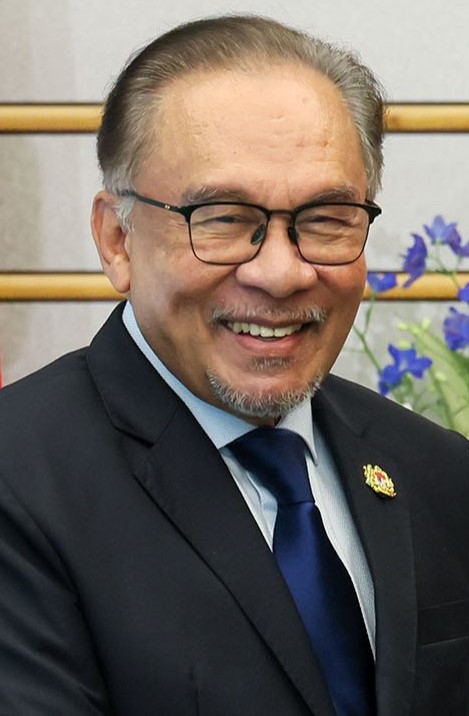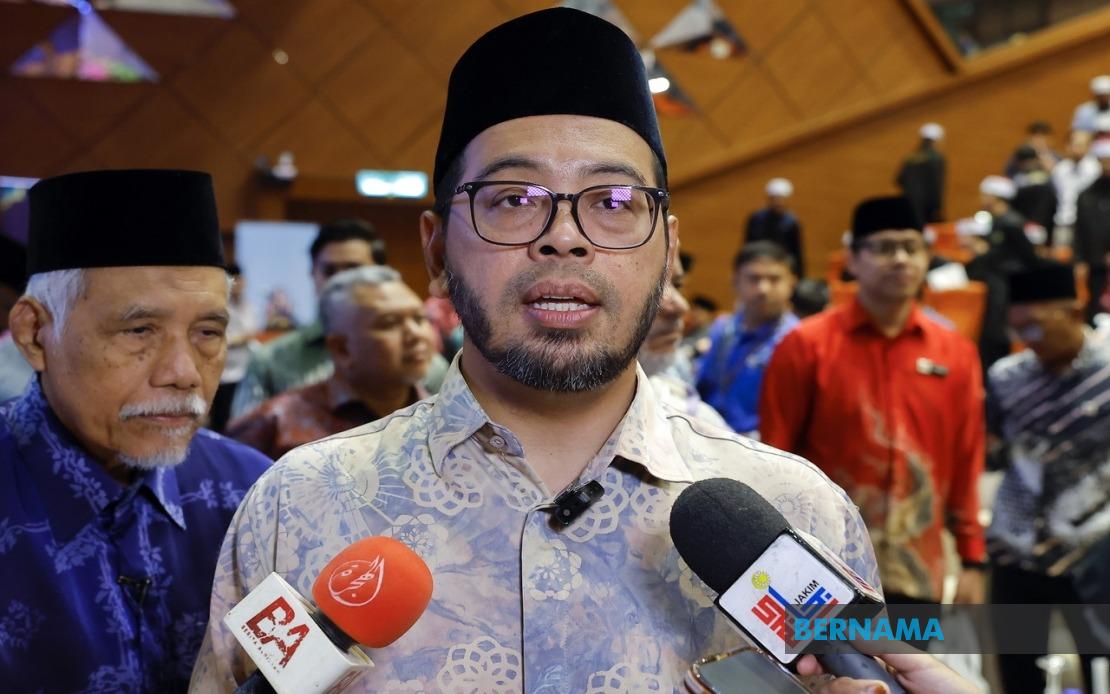
The Malaysian government has committed to ramping up its youth engagement efforts, responding directly to concerns raised by the Sultan of Perak, Sultan Nazrin Shah, about the escalating risks posed by religious extremism and digital misinformation to the country's younger generation. Dr Zulkifli Hasan, who oversees religious affairs in the Prime Minister's Department, made the pledge on June 18 after chairing the National and International Tokoh Ma'al Hijrah Premier Lecture in Putrajaya, signalling that the administration intends to align its strategic initiatives with the royal guidance.
Sultan Nazrin's intervention into this policy domain, delivered just days earlier, underscores a deepening official anxiety about how extremist ideologies and false narratives spread through digital channels to young Malaysians. The Perak ruler framed the challenge as multifaceted, moving beyond traditional security concerns to encompass the broader psychological and social vulnerabilities that contemporary youth face. His remarks reflected a recognition that young people today navigate a far more complex landscape than their predecessors, one saturated with competing information streams, economic precarity, and a pervasive sense of institutional distrust.
Dr Zulkifli's response indicated that the Religious Affairs Department views the Sultan's address not merely as ceremonial commentary but as a directive that will shape programme development and resource allocation going forward. By describing the royal message as a "guide" for future initiatives, he positioned religious authorities as frontline actors in what amounts to a preventative social intervention strategy. This framing reflects a shift in how Malaysian policymakers conceptualise the relationship between religious guidance and state security, treating spiritual and moral leadership as essential tools for countering radicalisation.
The Sultan identified several intersecting pressures that compound young people's vulnerability to extremist recruitment and misinformation. Climate anxiety, geopolitical instability, and economic uncertainty create psychological conditions in which simplistic ideological narratives gain traction. The digital realm amplifies these vulnerabilities by creating echo chambers where extreme content circulates unchecked and where algorithmic curation can rapidly polarise opinion. Sultan Nazrin's explicit mention of declining institutional trust points to a crisis of legitimacy that extends beyond religious institutions to encompass government bodies, educational establishments, and traditional media platforms.
This analysis resonates strongly across Southeast Asia, where countries from Indonesia to Thailand grapple with similar dynamics. Malaysia's experience suggests that merely restricting content or prosecuting offenders has proven insufficient; instead, religious leadership must actively engage young people through dialogue, mentorship, and the provision of compelling counter-narratives grounded in mainstream Islamic teaching. The Sultan's call implicitly critiques a reactive approach in favour of a proactive one, where religious scholars become visible presences in youth spaces—schools, universities, and online forums—rather than distant institutional figures.
The timing of this policy reorientation carries significance. Global trends show that radicalisation pathways have shifted markedly toward digital channels and peer-to-peer recruitment, particularly following the territorial collapse of the Islamic State. Malaysian security services have reported increasing cases of youth gravitating toward extremist ideology through social media rather than through mosques or traditional study circles. The government's decision to centre religious leaders in youth engagement reflects implicit acknowledgment that counter-extremism strategies must operate in the same digital and social spaces where radicalisation occurs.
Dr Zulkifli's commitment to "mainstream" the Sultan's messages across departmental programmes suggests structural changes ahead. This likely entails revising existing youth curricula in religious schools, establishing new mentorship programmes, and potentially allocating additional funding to religious organisations that demonstrate capacity to reach young people effectively. The phrasing also hints at coordination across multiple government departments, since religious affairs cannot address economic uncertainty or climate anxiety alone; broader policy coherence will be necessary.
The Royal Lecture series itself, through which Sultan Nazrin conveyed these concerns, functions as an important institutional mechanism for signalling policy priorities to the executive branch. These forums allow the constitutional monarchy to articulate vision and set cultural tone without direct legislative action, relying instead on the deference traditionally shown by the civil service to royal guidance. In Malaysia's system, such interventions often precede formal policy announcements, allowing administrations to test concepts and adjust course before committing resources.
For Malaysian youth, particularly those navigating religious identity in an increasingly pluralistic society, this initiative carries both promise and risk. Enhanced engagement from religious authorities could provide genuine guidance and supportive mentorship during formative years. Conversely, if programmes become perceived as surveillance mechanisms or heavy-handed attempts at ideological control, they risk driving young people away from institutional religion entirely. The success of these initiatives will depend on whether religious leaders can authentically engage with youth concerns—including legitimate questions about justice, inequality, and geopolitical wrongs—rather than simply dismissing them as symptoms of dangerous thinking.
The regional implications extend beyond Malaysia's borders. Indonesia, the world's largest Muslim-majority nation, has pursued similar approaches through coordination between the Religious Affairs Ministry and youth organisations. Singapore maintains tight control over religious discourse through state-approved teaching networks. The Malaysian model, emphasising religious leadership's proactive role rather than state control of content, offers a distinct approach that other Southeast Asian governments may study as they confront their own extremism and misinformation challenges.
Moving forward, the Religious Affairs Department faces the challenge of translating royal encouragement into sustainable, evidence-based programmes that genuinely connect with young people. This requires not just funding and institutional restructuring but a willingness among religious leaders to listen to young people's anxieties and frustrations, and to engage with complex questions about faith, modernity, and social justice in nuanced ways. The Sultan's intervention suggests that Malaysia's leadership recognises this challenge as fundamental to national stability and cohesion in the coming decade.