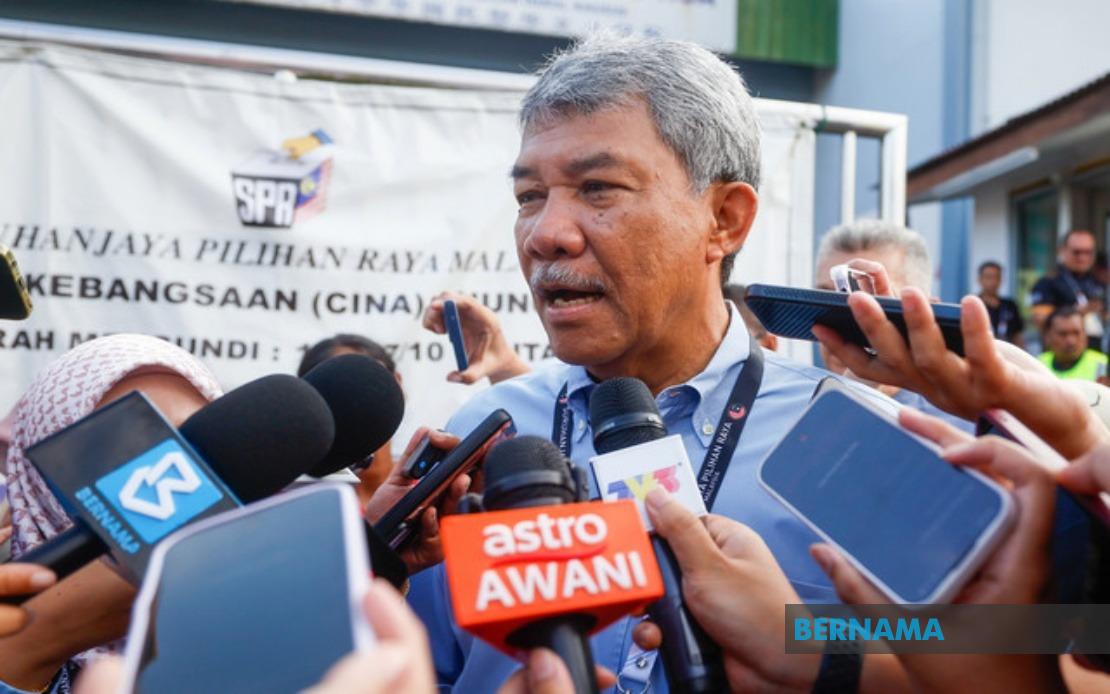
Malaysia's Foreign Minister Datuk Seri Mohamad Hasan is preparing to receive high-level delegations from two important neighbours next week, with Cambodia's Deputy Prime Minister and Foreign Minister scheduled to arrive on Tuesday for a bilateral Joint Commission Meeting. The visit marks Malaysia's turn to host the annual dialogue mechanism, reflecting the structured approach both nations maintain in managing their bilateral relationship. Following the Cambodian engagement, Mohamad will welcome Laos' Deputy Prime Minister and Foreign Minister for a similar commission meeting later in the week, demonstrating Malaysia's commitment to balanced, consistent engagement across the Indochinese Peninsula.
The Joint Commission Meetings serve as critical forums for deepening economic, political, and cultural ties between Malaysia and its neighbours. For Cambodia, the bilateral relationship encompasses trade partnerships, development cooperation, and security coordination, while the Laotian engagement reflects Malaysia's broader strategy of strengthening ties with mainland Southeast Asian states. By hosting both delegations in succession, Malaysia signals its willingness to invest diplomatic capital in nurturing relationships that extend beyond the maritime frontiers of the Association of Southeast Asian Nations, reaching into the heart of the region's economic and political landscape.
The timing of these visits comes as Foreign Ministry officials navigate an increasingly complex global geopolitical environment. Mohamad acknowledged that international developments are creating unpredictable pressures on Malaysian diplomacy, necessitating greater flexibility and responsiveness in the ministry's operations. The convergence of scheduled bilateral meetings with other pressing international commitments has created a demanding calendar that requires careful prioritisation of Malaysia's diplomatic efforts and resources.
One casualty of this crowded schedule is Mohamad's planned participation in an emergency meeting of Arab and Islamic countries convening in Amman, Jordan, on August 5 to address the Palestinian situation. Malaysia, with its long-standing commitment to Palestinian causes and its significant Muslim population, traditionally maintains a visible presence at such gatherings. However, Mohamad determined that his domestic commitments take precedence, reflecting a judgement that hosting the Cambodian and Laotian delegations aligns more closely with Malaysia's strategic priorities in the current moment.
Instead of travelling to Jordan, Malaysia will be represented by its Permanent Representative to the United Nations, who currently holds the position of Deputy Secretary-General at the Foreign Ministry. This individual brings substantial expertise on Palestinian affairs and multilateral diplomacy, positioning Malaysia to maintain credible engagement with Arab and Islamic nations despite the foreign minister's absence. The decision illustrates how foreign ministries manage competing demands by deploying experienced diplomats to represent national interests across multiple forums simultaneously.
The workload confronting Wisma Putra reflects broader structural challenges facing Malaysian diplomacy in an era of multipolar competition and regional instability. Beyond scheduled engagements, the ministry must accommodate emergency meetings and ad hoc consultations driven by unpredictable international developments. This operational pressure extends to Mohamad's travel schedule, with frequent overseas trips complementing the steady stream of incoming visits from foreign dignitaries and delegations seeking dialogue with Malaysia.
For Malaysia's engagement with Cambodia and Laos specifically, the commission meetings offer opportunities to address bilateral issues while reinforcing shared interests in maintaining regional stability and economic cooperation. Cambodia remains a significant trading partner and fellow ASEAN member, while Laos, despite its landlocked geography and smaller economy, occupies strategic importance as a bridge between maritime Southeast Asia and China's southwest frontier. Both relationships merit sustained high-level attention, particularly as China's regional influence expands and as competition among external powers for influence in Southeast Asia intensifies.
The consecutive scheduling of these meetings also demonstrates Malaysia's diplomatic efficiency and the depth of its engagement with multiple partners. Rather than spacing visits across different months, hosting both delegations within days of each other allows Mohamad and his team to address similar themes while showcasing Malaysia's regional prominence. This approach also signals to both countries that they occupy comparable priority levels in Malaysia's foreign policy hierarchy, an important consideration in relationships where perception of relative importance carries diplomatic weight.
The broader context of Malaysia's diplomatic overtures reflects the country's recognition that Southeast Asian solidarity and intra-regional cooperation remain essential even as external powers vie for influence. Through mechanisms like the Joint Commission Meetings, Malaysia reinforces institutional frameworks that keep the region connected and aligned on fundamental principles, even when bilateral interests diverge. These conversations also create space for addressing transnational challenges including trade, environmental concerns, labour migration, and security cooperation that require sustained dialogue between neighbouring states.
As Malaysia navigates an increasingly demanding diplomatic environment, the commitment to hosting high-level meetings with Cambodia and Laos demonstrates that the country remains actively engaged in managing regional relationships despite global uncertainties. The foreign ministry's willingness to prioritise these engagements over other compelling international commitments suggests a strategic calculation that investing in Southeast Asian partnerships remains central to Malaysia's long-term national interests. Whether addressing trade imbalances, resolving border issues, or coordinating positions on regional security challenges, the bilateral commission structures provide essential channels through which Malaysia maintains its role as an active and engaged regional stakeholder.

