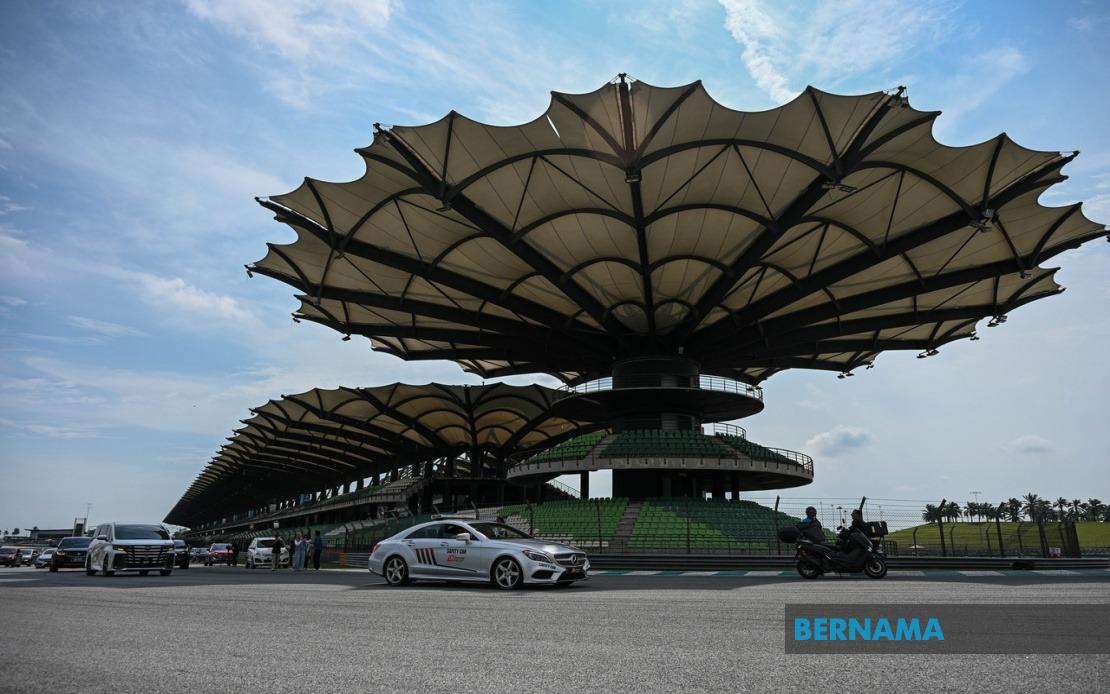
Malaysia has been chosen to host the 2026 Formula 1 Gulf Air Bahrain Grand Prix at Sepang International Circuit from October 2 to 4, marking a historic departure from the race's traditional home in the Persian Gulf and cementing an expanding partnership between Kuala Lumpur and Manama built on shared sporting ambitions and robust diplomatic foundations.
The arrangement represents far more than a simple calendar adjustment to accommodate the championship. The decision to relocate the Bahrain Grand Prix to Malaysian soil for the first time since its establishment in 2004 underscores the strength of contemporary relations between the two monarchies and their respective governments. Bahrain's Ambassador to Malaysia, Dr Waleed Khalifa Al Manea, attributed the unprecedented collaboration to the solid relationship between His Majesty King Hamad bin Isa Al Khalifa and His Majesty Sultan Ibrahim, King of Malaysia, a bond further deepened during the Malaysian sovereign's official state visit to Bahrain in 2025.
Beyond royal circles, the arrangement reflects coordinated engagement between the highest levels of government administration. The Crown Prince and Prime Minister of Bahrain, His Royal Highness Prince Salman bin Hamad Al Khalifa, and Malaysian Prime Minister Datuk Seri Anwar Ibrahim have maintained close communication channels that proved instrumental in facilitating this unconventional hosting arrangement. According to Al Manea, this executive-level dialogue was essential to translating political goodwill into concrete sporting logistics.
The collaboration carries significance that extends well beyond the racetrack. Al Manea characterised the partnership as distinctive precisely because it merges Bahrain's established motorsport credentials with Malaysia's formidable track record in organising Formula 1 events and other international sporting spectacles. This complementary positioning allows both nations to leverage their respective strengths, with Bahrain contributing organisational experience in managing high-profile motorsport competitions and Malaysia offering a proven venue with decades of hosting experience.
Sepang International Circuit itself brings considerable pedigree to the arrangement. The Malaysian facility served as the home of the Malaysian Grand Prix from 1999 until 2017, establishing itself as one of Asia's most prestigious and recognisable Formula 1 venues during that eighteen-year tenure. Max Verstappen's victory for Red Bull Racing in the final Malaysian Grand Prix held there in 2017 remains a recent memory for motorsport enthusiasts across the region. The return of international Formula 1 racing to the circuit after nearly a decade's absence represents a significant moment for Malaysia's sporting calendar and the broader motorsport infrastructure in Southeast Asia.
An intriguing architectural connection underlies the partnership. Both Sepang International Circuit and the Bahrain International Circuit were masterpieces of German circuit designer Hermann Tilke, whose influence on modern Formula 1 venue design has been profound. This shared design lineage creates a subtle but meaningful link between the two venues, allowing the race to maintain spiritual continuity with its traditional Bahraini home despite the thousands of kilometres separating them geographically.
The event promises to catalyse economic and commercial benefits that transcend motorsport boundaries. Bahrain's diplomatic mission emphasises that the Grand Prix will generate opportunities for substantive cooperation spanning tourism, aviation, transport infrastructure, investment promotion, hospitality services, and media industries. The launching of direct Gulf Air flights between Manama and Kuala Lumpur specifically timed to precede the October race will substantially enhance connectivity between the two countries, facilitating business travel and leisure visitors alike.
For Malaysian stakeholders, the opportunity carries particular resonance given the nation's ambition to position itself as a premier sporting destination in the Asian region. Hosting a Formula 1 event of Bahrain's stature demonstrates Malaysia's continued capacity to attract world-class competitions and underscores Sepang's enduring appeal as a world-standard venue. The influx of international teams, media personnel, and spectators will inject significant economic activity into the Klang Valley region and the Malaysian economy more broadly.
The announcement has resonated positively throughout the Formula 1 paddock. Multiple teams and drivers have expressed enthusiasm following confirmation of the arrangement, with several organisations sharing nostalgic posts and throwback footage from their previous races at Sepang on social media platforms. This grassroots enthusiasm from participants suggests the venue remains beloved within the global motorsport community and that the October race will attract genuine engagement from the circuit's established fanbase.
From a diplomatic perspective, the arrangement exemplifies how sport can function as a vehicle for strengthening bilateral relationships between nations. The decision to relocate the Bahrain Grand Prix to Malaysia reflects trust and cooperation between governments, demonstrating that even traditionally rooted sporting institutions can evolve when mutual benefit and strong political will align. For Malaysia particularly, successfully executing this high-profile event will reinforce its credentials as both a diplomatic partner capable of accommodating regional requests and a dependable host of international sporting calibre.
The organisational framework for the race has been designed to meet the highest international standards expected of Formula 1 events. This commitment to excellence ensures that despite the geographical relocation, the Bahrain Grand Prix will maintain the quality benchmarks that have characterised the championship throughout its history. For Malaysian motorsport enthusiasts and the broader Southeast Asian audience, the October event promises to deliver the spectacle and technical excellence characteristic of modern Formula 1 competition, while serving as a visible manifestation of Malaysia's strengthening ties with an important partner in the Arabian Peninsula.

