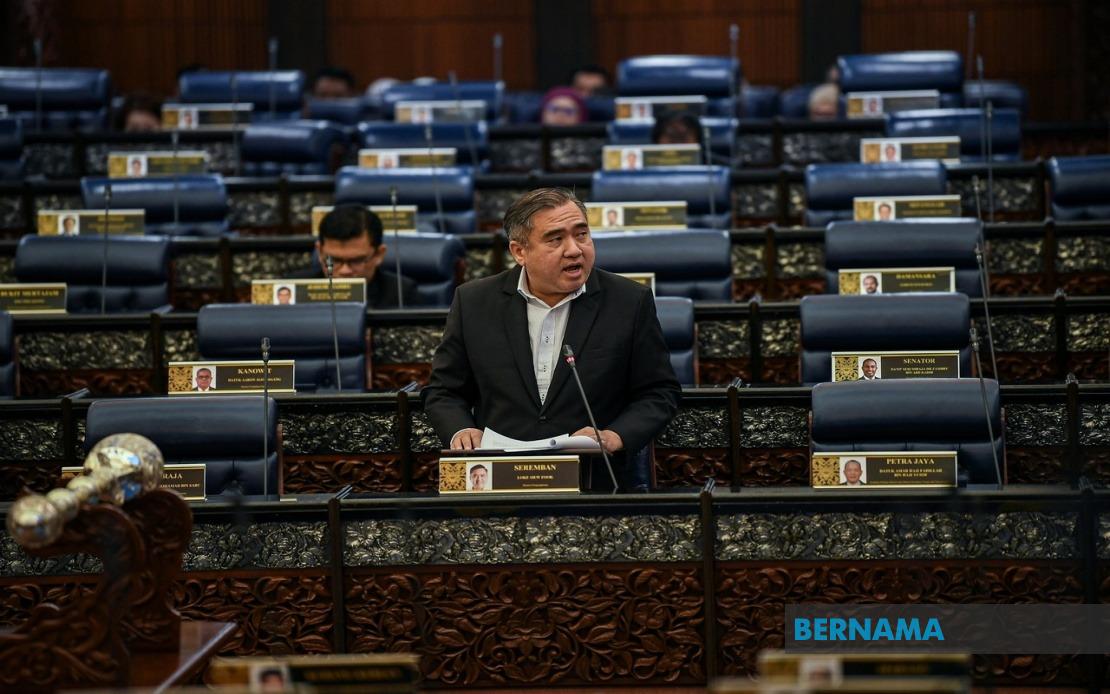
Malaysia is set to significantly toughen its approach to street racing with the introduction of the Road Transport (Amendment) Bill 2025, which creates a specific criminal offence for illegal racing and speed testing on public roads. Transport Minister Anthony Loke tabled the legislation in the Dewan Rakyat on June 23, marking a watershed moment in the country's battle against dangerous driving behaviours that have claimed numerous lives over recent years. The new framework represents a fundamental shift from treating racing incidents as general dangerous driving violations to establishing dedicated legal tools that authorities can deploy proactively rather than reactively.
Under the proposed Section 42A of the Road Transport Act 1987, first-time offenders convicted of illegal racing or speed trials will face fines ranging from RM2,000 to RM10,000, imprisonment for up to two years, or both penalties combined. This represents a substantial increase in deterrence compared to existing dangerous driving provisions, which authorities have struggled to apply effectively in racing contexts where no immediate accident or injury has occurred. The escalation in penalties for repeat offences demonstrates Parliament's seriousness about curbing a behaviour that has become increasingly prevalent among young drivers nationwide, with second and subsequent convictions attracting fines between RM5,000 and RM20,000 alongside imprisonment periods extending to five years.
The critical distinction that makes this amendment transformative is its removal of the requirement for an accident, injury, or fatality to trigger enforcement action. Under current legislation, authorities prosecuting illegal racers must establish that the behaviour constituted dangerous driving, a burden that frequently forces officers to wait for tragic consequences before intervening. Loke illustrated this enforcement gap by referencing scenarios where two or more motorcyclists engage in speed competitions on public roads without causing immediate harm—situations where police previously lacked clear statutory grounds for intervention. The new provision eliminates this prosecutorial barrier, empowering enforcement agencies to apprehend and charge offenders at the moment the racing activity occurs, fundamentally changing enforcement dynamics across Malaysian highways and urban streets.
The amendment also addresses a concerning gap in enforcement protection through the introduction of Section 110B, which criminalises obstruction, interference, assault, threats, or surveillance of enforcement officers conducting road operations. This provision extends to individuals who communicate information about enforcement activities to help suspected offenders escape detection—a practice that has increasingly undermined law enforcement efforts. Penalties under this section range from RM10,000 to RM50,000 in fines, imprisonment from one to five years, or both, with the offence classified as arrestable. This supplementary provision acknowledges the reality that organised racing syndicates have developed communication networks specifically designed to alert participants to checkpoint locations and enforcement operations.
The legislative package also tackles the broader challenge of non-compliant and overloaded commercial vehicles through strengthened enforcement mechanisms. By establishing heightened penalties for those who interfere with enforcement operations targeting these categories of vehicles, the government seeks to dismantle support networks that enable dangerous driving practices. The arrestable nature of the obstruction offence signals an intensified commitment to enforcement, allowing officers to detain suspects without warrant and process them through the criminal justice system more swiftly. For Malaysian readers concerned about road safety, this multi-layered approach represents recognition that illegal racing does not exist in isolation but forms part of broader ecosystem of dangerous driving involving coordinated networks and communication systems.
Complementary to these headline changes, the amendment revises penalty structures across selected road transport offences by increasing minimum fine thresholds from RM300 to RM500, with these enhanced rates scheduled to take effect on January 1, 2029. However, Loke clarified that this adjustment does not automatically impose fixed compound fines but rather adjusts maximum compound offer limits, allowing enforcement officers discretion based on offence severity, settlement timing, and established procedures. This graduated approach prevents uniform over-penalisation while maintaining flexibility for proportionate enforcement across different violation categories. The extended implementation timeline provides businesses and individuals notice to adjust compliance practices accordingly.
The timing of this legislative initiative reflects growing public concern about road safety across Malaysia and Southeast Asia more broadly. Street racing communities have expanded significantly in recent years, particularly through digital organising via social media platforms where informal competitions attract participants seeking adrenaline-fuelled thrills with minimal awareness of consequences. Tragic fatalities involving young drivers have periodically grabbed headlines, generating demands from family groups and road safety advocates for legislative action. The government's response through dedicated criminalisation represents acknowledgment that existing general traffic law provisions have proven inadequate for addressing this specifically structured offence category.
From a regional perspective, Malaysia's approach mirrors similar legislative trends across Southeast Asia where countries grapple with rising incidents of illegal street racing. Singapore implemented stringent provisions years ago, while Thai authorities have attempted various crackdowns through existing traffic laws. Malaysia's establishment of a dedicated offence places the country ahead of some neighbours in specificity of legal response, potentially offering a model for other nations developing street racing policy. For Malaysian drivers accustomed to existing enforcement patterns, the new provisions signal a material escalation in consequences for participation in organised or spontaneous racing activities.
Enforcement agencies appear well-positioned to implement the new framework, with established coordination mechanisms between police traffic divisions, the Road Transport Department, and local authorities already operational for highway safety campaigns. The addition of dedicated offence provisions will streamline charging procedures and provide clear direction to prosecutors handling such cases. Training implications for enforcement personnel will likely emerge, requiring education about the new provisions' scope and application in diverse road racing scenarios ranging from organised underground competitions to spontaneous motorway speed contests between individual drivers.
The amendment's passage through Parliament's second reading represents the commencement of legislative machinery, with further scrutiny anticipated during committee stages. Civil society groups, automotive associations, and youth organisations will likely submit representations regarding implementation concerns. Insurance industry stakeholders may seek clarification on how convictions under the new provisions affect premiums and coverage eligibility. These stakeholder engagements will shape the detailed operational guidelines that enforcement agencies develop prior to the legislation's full implementation.
For ordinary Malaysian motorists, the Bill's passage signals an evolving enforcement environment where street racing has transitioned from a peripheral concern into a specific criminal priority. Insurance companies may respond by implementing penalty structures that reflect the heightened legal jeopardy associated with racing convictions. Automotive forums and social media communities will increasingly transmit awareness of the new penalties, particularly among younger demographics most likely to participate in racing activities. This legislative clarity about consequences may contribute to behavioural modification among drivers considering participation in illegal speed competitions.

