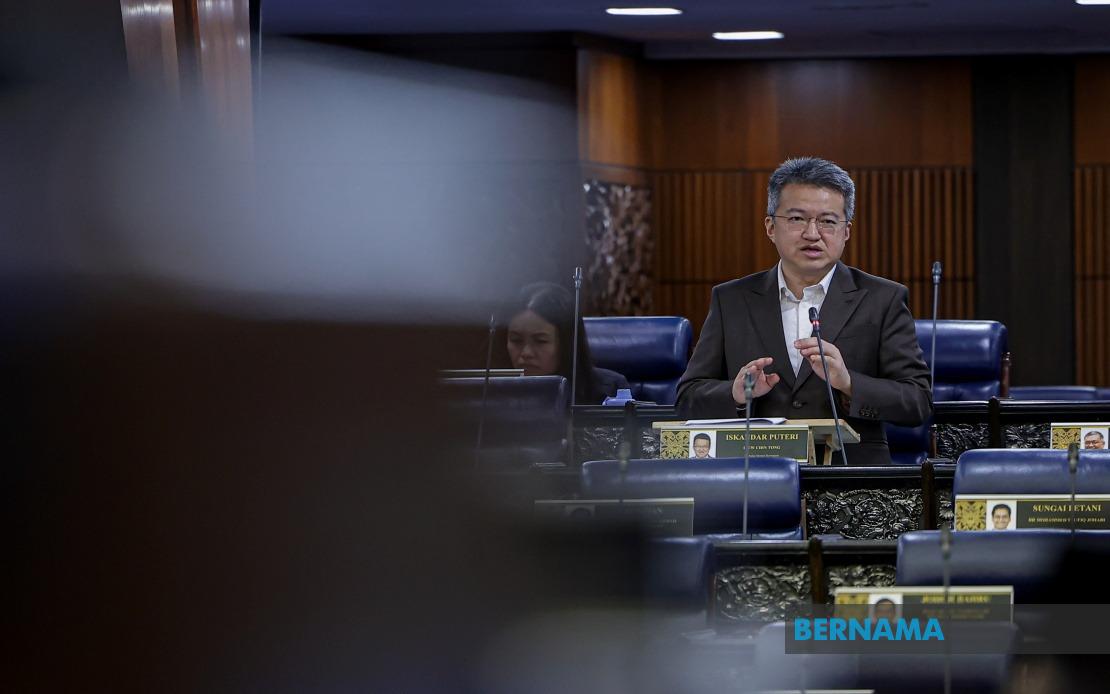
The Malaysian government is implementing a comprehensive suite of institutional reforms designed to block the recurrence of financial mismanagement on the scale of the 1Malaysia Development Berhad scandal, according to Deputy Finance Minister Liew Chin Tong speaking in parliament. The multifaceted overhaul reflects the administration's determination to rebuild Malaysia's shattered international standing and restore investor confidence after the reputational damage inflicted by 1MDB's collapse.
Liew outlined the measures in response to a parliamentary question from Chong Chieng Jen, emphasising that Prime Minister Datuk Seri Anwar Ibrahim's government has made institutional renewal a cornerstone of its economic strategy. The reforms span legislation, auditing powers, procurement systems and the governance of state-owned enterprises, signalling an attempt to close multiple pathways through which public funds were previously misappropriated.
Among the most significant legislative steps was the enactment of the Public Finance and Fiscal Responsibility Act 2023, designed to impose stricter discipline over how government money moves through the system and to curtail executive discretion in financial management. This law represents a fundamental restructuring of accountability mechanisms that oversight bodies argue were largely absent or ineffective when 1MDB was accumulating losses and foreign investors were being misled about the fund's viability.
Parallel to this, the government has substantially expanded the powers of Malaysia's Auditor-General through amendments to the Audit Act. The new "follow the public money" approach grants auditors far more extensive investigative reach, enabling them to trace public expenditure across multiple institutions and transactions in ways previously constrained by legal limitations. This architectural change reflects recognition that the 1MDB debacle occurred partly because oversight institutions lacked the mandate and tools to dig deep into complex financial arrangements involving offshore accounts and convoluted corporate structures.
The government is also drafting a Government Procurement Bill and overhauling the legal framework governing state-owned enterprises. These parallel efforts acknowledge that 1MDB's catastrophic failures—which ultimately cost taxpayers RM18.7 billion in allocations to meet financial obligations since 2017—stemmed from governance vacuums in how public agencies source goods and services, and how government-linked companies operate without adequate supervision or transparency requirements.
The historical context of the scandal underscores why such reforms carry weight beyond symbolic politics. The 1MDB affair inflicted profound damage to Malaysia's global reputation, triggering investigations by foreign law enforcement agencies, spawning cross-border legal proceedings and attracting the intensive scrutiny of international media organisations. This reputational crisis created tangible economic consequences: investor hesitancy, market uncertainty and perceptions of governance failures that investors in developed and emerging economies alike factor into capital deployment decisions.
Liew emphasised that the international reputation damage extended beyond financial considerations, striking at the very credibility of Malaysia's public institutions and fiscal management capabilities. When sovereign wealth funds, multinational corporations and portfolio investors evaluate emerging markets, institutional integrity ranks as a primary consideration. The 1MDB scandal essentially signalled to global capital markets that Malaysia's governance safeguards were inadequate, a perception that directly undermines efforts to attract investment flows and maintain competitive positioning in the regional economy.
The government's reform agenda has already begun yielding measurable results according to the Deputy Finance Minister. Malaysia has recorded its highest-ever approved investments and has achieved strengthened trade performance, while also improving its position in global competitiveness rankings. These gains suggest that the institutional reset is gaining traction with international investors, though analysts caution that sustained implementation and genuine cultural change within government agencies remain essential for cementing confidence.
The financial burden of legacy 1MDB obligations continues placing substantial pressure on government budgets. Since assuming office in March 2023, the MADANI Government allocated RM13 billion from its development budget—equivalent to 13.1 per cent of that year's total development spending—to redeem USD3 billion in government-guaranteed bonds that 1MDB had issued. This figure illustrates how public resources that might otherwise fund infrastructure, education or healthcare remain diverted toward legacy liabilities, a continuing constraint on development spending capacity.
For Malaysian policymakers, the 1MDB experience crystallised a fundamental lesson: institutional vulnerabilities and regulatory gaps create preconditions for large-scale financial misconduct, and rebuilding international confidence requires not merely punishing individuals but fundamentally restructuring systems. The reform package reflects this understanding, targeting the procedural, legal and architectural dimensions through which public money flows.
Regional observers note that Malaysia's reform trajectory holds broader implications across Southeast Asia, where several nations grapple with balancing development imperatives against institutional transparency requirements. The governance architecture Malaysia is constructing—combining fiscal responsibility legislation, enhanced auditing powers and procurement oversight—may serve as a reference point for other developing economies seeking to maintain investor confidence while managing the complexities of state-led development institutions.
Looking ahead, the critical question is not whether the reforms exist on paper but whether they will be consistently enforced and genuinely insulated from political interference. The scale of the governance reset underway suggests serious intent, yet implementation will determine whether these institutional safeguards truly prevent future scandals or become cosmetic adjustments that fail to arrest systematic mismanagement.

