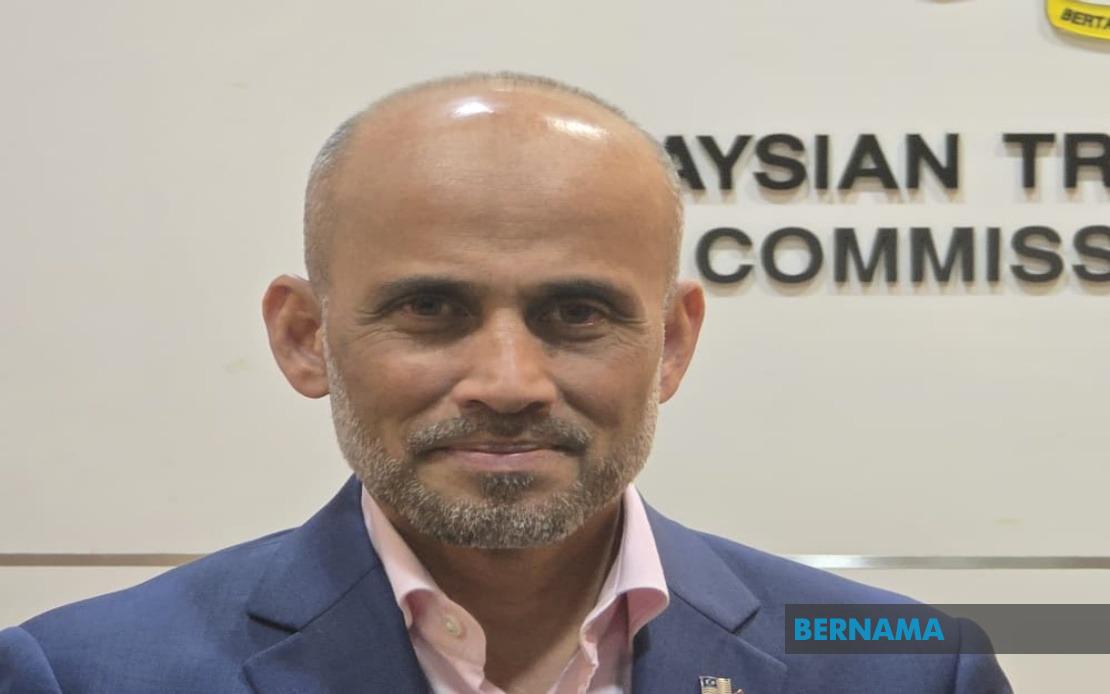
Malaysia and Singapore have consolidated their bilateral relationship through sustained cooperation in addressing shared regional challenges, according to Datuk Dr Azfar Mohamad Mustafar, who is concluding a five-year posting as Malaysia's High Commissioner to Singapore. Reflecting on his tenure before taking up the role of High Commissioner to the United Kingdom from July 1, Azfar emphasised that the two neighbours' ability to work through difficulties—from pandemic disruptions to broader geopolitical uncertainties—has forged a stronger partnership framework.
The diplomat's five-year mission, which began in June 2021, coincided with one of the region's most turbulent periods. When Azfar assumed office, Malaysia and Singapore were grappling with the severe operational impacts of COVID-19, particularly the closure of land borders that disrupted the flow of tens of thousands of workers who cross the causeway daily for employment and business activities. This humanitarian and logistical crisis placed considerable pressure on consular services, requiring rapid diplomatic coordination to ensure that Malaysians' movement and access to essential services remained functional despite restrictions. The situation exemplified how closely intertwined the two economies have become and underscored the necessity of maintaining robust institutional channels even during unprecedented emergencies.
Economically, the recovery has been robust. Trade and investment volumes between Malaysia and Singapore have rebounded substantially and now exceed pre-pandemic levels, with Singapore maintaining its position among Malaysia's most significant trading partners. For Malaysian enterprises and investors, Singapore's financial and commercial infrastructure continues to serve as a crucial gateway to regional and global markets. Conversely, Singapore's capital remains a major source of foreign direct investment flowing into Malaysia, a pattern that reflects decades of integrated supply chains and complementary economic structures.
The Johor-Singapore Special Economic Zone represents a tangible manifestation of this deepening economic integration. This ambitious joint initiative offers fresh opportunities for bilateral investment and trade expansion, particularly positioning Johor as a more attractive destination for Singapore-based companies seeking to establish or expand manufacturing and service operations. Azfar's specific mention of increased Singapore investment in Johor signals Malaysia's strategic interest in channelling this cooperation toward regional development goals, which could generate employment and technological transfer benefiting the wider economy.
Looking forward, Malaysia has committed to supporting Singapore's incoming ASEAN chairmanship in 2025. This support extends beyond diplomatic courtesy; it reflects a shared interest in advancing ASEAN's agenda on regional economic integration. Singapore, as a founding member and most economically developed state within ASEAN, typically prioritises initiatives that deepen institutional cooperation and market integration among member states. Malaysia's backing for these objectives aligns with its own development interests, as stronger regional frameworks can amplify opportunities for Malaysian businesses and workers.
Among the specific cooperative initiatives are the ASEAN Power Grid project, which aims to establish an integrated electricity transmission network across Southeast Asia. This infrastructure undertaking carries significant implications for Malaysia, which possesses substantial energy resources and stands to benefit from enhanced regional energy trade and security. By advancing this initiative alongside Singapore, Malaysia positions itself as a key participant in one of ASEAN's most transformative infrastructure projects.
Azfar's diplomatic career reflects the depth of institutional expertise Malaysia has cultivated in Southeast Asian and international affairs. His previous posting as Ambassador to France from 2018 to 2021 and his continuous service since joining the Foreign Ministry in 2001 position him as an experienced custodian of Malaysia's bilateral interests. His transition to London, following the completion of his Singapore mission, demonstrates Malaysia's commitment to maintaining high-level diplomatic representation across key strategic capitals.
The outgoing High Commissioner's reflections acquire added significance given the complex regional environment. Beyond pandemic recovery, the Indo-Pacific region faces evolving geopolitical tensions, supply chain fragmentation, and debates over technological sovereignty that affect trade and investment patterns. In this context, the Malaysia-Singapore relationship functions as a stabilising force—two neighbouring democracies with deep historical ties, complementary economies, and shared interests in maintaining regional peace and prosperity.
Consular and administrative coordination between the two missions remains critical. With hundreds of thousands of Malaysians residing, working, or conducting business in Singapore regularly, the efficiency of the High Commission's consular operations directly affects the livelihoods and well-being of citizens. Azfar's acknowledgment of consular challenges during COVID-19 highlights the operational pressures that diplomatic missions face when border and health regulations shift rapidly. Future High Commissioners will need to maintain this institutional preparedness as part of routine operations.
The bilateral relationship extends beyond formal government channels into civil society, business networks, and cultural domains. Educational exchanges, particularly involving Malaysian students in Singapore institutions, foster people-to-people connections that underpin long-term diplomatic stability. Similarly, the significant Malaysian business community in Singapore contributes to both economies while maintaining connections to their home country. These organic ties create resilience within the bilateral relationship that transcends political cycles.
For Malaysian policymakers and citizens, Azfar's assessment underscores that multilateral cooperation through ASEAN and bilateral partnerships with key neighbours remain central to Malaysia's regional strategy. In an era of shifting global power dynamics, the stability and depth of Malaysia-Singapore ties provide a foundation for navigating broader regional and international challenges. The appointment of a successor to continue this work signals Malaysia's enduring commitment to this fundamental bilateral relationship.

