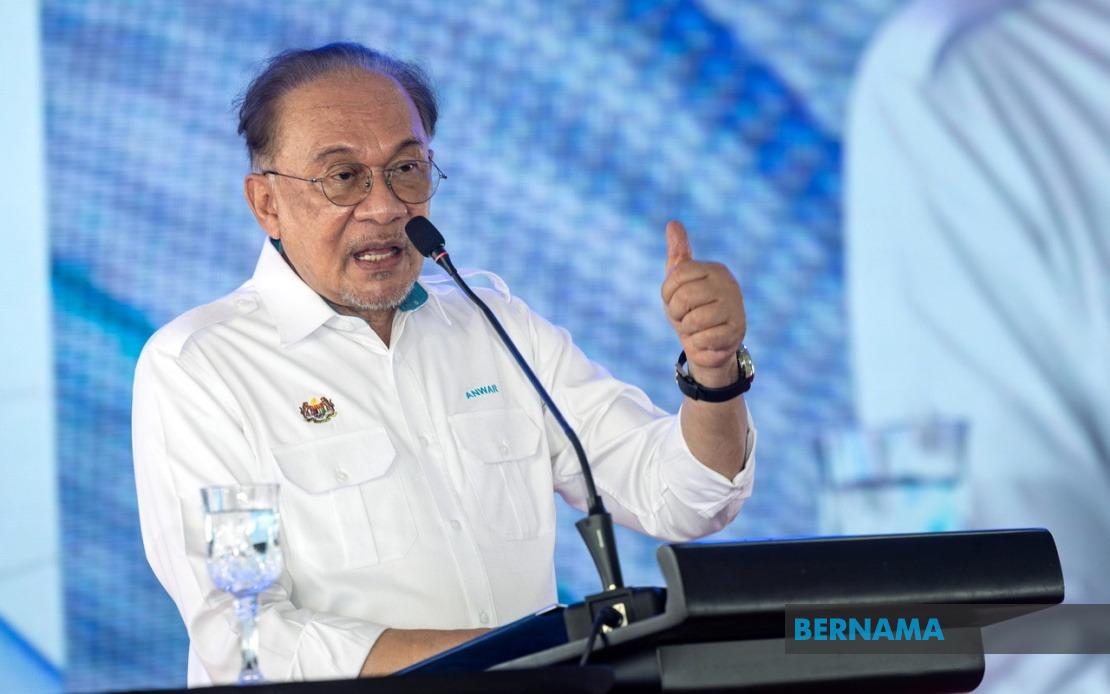
Prime Minister Datuk Seri Anwar Ibrahim has unveiled a significant diplomatic achievement in energy security, announcing that strategic partnerships with Russia and Turkmenistan will safeguard Malaysia's petroleum supplies for the next two decades and beyond. Speaking at the groundbreaking ceremony for the Setia Fontaines Industrial Park in Kepala Batas, Anwar underscored the transformative potential of these bilateral arrangements in addressing one of the nation's most pressing economic priorities: ensuring stable, long-term access to fossil fuels amid global energy market volatility.
The Russian component of this energy strategy represents a formal commitment from President Vladimir Putin to supply Malaysia with crude oil, natural gas, and diesel for a minimum of 20 years. Anwar revealed that this commitment was conveyed during his recent official visit to Kazan, where he met with Putin to discuss matters of mutual economic interest. The assurance from the Kremlin reflects a deepening relationship between Kuala Lumpur and Moscow that extends beyond traditional diplomatic channels, positioning energy cooperation as a cornerstone of bilateral engagement in an era of shifting geopolitical alignments.
The Turkmenistan agreement, however, appears to represent an even more substantial breakthrough for Malaysia's energy ambitions. During his state visit to the Central Asian nation, Anwar secured approval for Malaysia to gain unprecedented access to Turkmenistan's vast hydrocarbon reserves. Turkmenistan possesses some of the world's largest proven natural gas deposits, making this arrangement strategically critical for Malaysia's decades-long energy planning. This development emerged from sustained diplomatic engagement that began with Turkmenistan President Serdar Berdimuhamedov's visit to Malaysia in December 2024, demonstrating how high-level state visits can translate into concrete commercial agreements that benefit both nations.
The significance of accessing Turkmenistan's gas reserves cannot be overstated for Malaysia's domestic and regional standing. The country's energy demand continues to rise alongside its economic development, and securing supplies from geographically distant but geologically blessed regions provides insurance against supply disruptions and price shocks that could derail industrial competitiveness. By anchoring long-term contracts with reliable suppliers, Malaysia reduces vulnerability to sudden market fluctuations or political pressures that occasionally affect energy markets in the Middle East and Southeast Asia.
Beyond domestic consumption, Anwar highlighted the export potential unlocked by these agreements. Malaysia now possesses the capacity to increase petroleum product shipments to major Asian economic powers including China, Japan, and South Korea, all of which face insatiable energy demands driven by manufacturing sectors and growing middle-class consumption. This export dimension transforms Malaysia from a purely energy-secure nation into a significant regional energy trader, potentially generating substantial foreign exchange revenues and strengthening commercial ties with Asia's three largest economies. The ability to supply these partners creates additional leverage in bilateral negotiations across multiple sectors.
The diplomatic framework underlying these energy deals reflects a broader strategic shift in Malaysia's foreign policy orientation. Rather than concentrating energy sourcing within traditional Middle Eastern partnerships, Anwar's administration has deliberately diversified its supply geography by cultivating relationships with non-traditional suppliers in Russia and Central Asia. This geographic diversification mitigates geopolitical risk by preventing over-reliance on any single supplier nation or region, a lesson underscored by recent energy crises affecting European nations dependent on single pipeline arrangements. Malaysia's approach demonstrates how energy security and foreign policy intertwine in contemporary international relations.
The timing of these announcements carries additional significance given Malaysia's ongoing efforts to navigate the complex energy transition debate. While investing in long-term fossil fuel supplies, Malaysia simultaneously promotes renewable energy development and explores liquefied natural gas alternatives. The Russia and Turkmenistan agreements do not preclude this broader energy diversification but rather provide a security floor while the nation gradually shifts toward lower-carbon sources. This pragmatic balancing act acknowledges Malaysia's immediate economic needs while positioning the country for future sustainability imperatives.
For Malaysia's industrial sector, the promise of stable energy supplies carries profound implications. Manufacturing competitiveness depends heavily on predictable, reasonably priced energy access, and the certainty provided by these long-term contracts enables businesses to make confident investment decisions in facilities and operations. Petrochemical industries, fertilizer producers, and energy-intensive manufacturers can now plan expansion strategies with greater confidence regarding feedstock availability. This supply security translates into job creation and sustained economic growth across manufacturing hubs throughout the peninsula and Sabah and Sarawak.
The agreements also position Malaysia as a potential energy hub within Southeast Asia, potentially developing infrastructure and expertise that could benefit neighboring countries facing similar supply challenges. The region's collective economic growth drives rising energy demand, and Malaysia's access to diverse, reliable supplies creates opportunities for the country to emerge as a trusted regional energy partner. This role would complement existing regional initiatives and strengthen Malaysia's influence within ASEAN energy cooperation frameworks.
Anwar's emphasis on leveraging international relations for national strategic benefit reflects a coherent economic philosophy prioritizing pragmatism over ideological constraints. The acknowledgment that energy security directly supports job creation and economic development for Malaysian citizens places these negotiations within a clear domestic context. The Prime Minister's framing of international engagement as instrumental to national prosperity resonates with public expectations that government should deliver tangible economic benefits through diplomatic statecraft.
For Malaysia's energy sector stakeholders, including state-owned Petronas and private energy companies, these agreements create new business opportunities and competitive advantages. Access to economical supplies improves margins across the value chain, from refining through distribution to retail operations. The predictability of supply costs enables energy companies to invest confidently in infrastructure modernization and expansion, enhancing operational efficiency throughout the economy.
The Russian and Turkmenistan partnerships also reflect Malaysia's careful calibration of international relationships during a period of great power competition. By securing energy cooperation from multiple global actors without explicit alignment with any single bloc, Malaysia maintains strategic flexibility while meeting critical economic needs. This balanced approach has become increasingly valuable as nations worldwide navigate complex geopolitical realities requiring simultaneous engagement with multiple international actors.
Moving forward, the effectiveness of these energy partnerships will depend on implementing the formal agreements through operational supply contracts, infrastructure development, and regulatory frameworks. Malaysia must establish the logistical capacity to receive, process, and distribute supplies from distant northern sources while maintaining pricing competitiveness in regional markets. Success requires sustained diplomatic attention, competent bureaucratic administration, and continued cultivation of relationships with both Russian and Turkmenistan leadership. If executed effectively, however, these arrangements position Malaysia to enjoy energy security spanning the next generation while building prosperity for its citizens.

