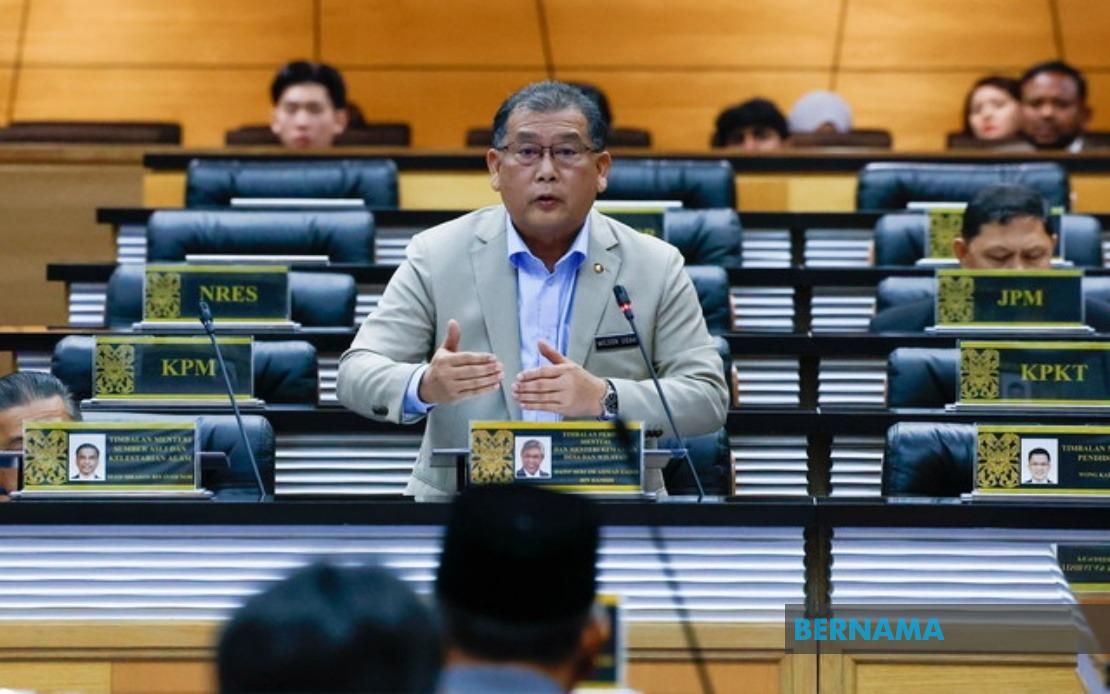
Malaysia is moving ahead with an ambitious infrastructure programme to fundamentally reshape how the country responds to natural disasters, particularly devastating monsoon floods that regularly displace thousands of families. A total of 15 permanent disaster relief centres (PPKB) involving nine states are expected to become operational in stages throughout this year and beyond, marking a significant shift in the nation's approach to emergency preparedness. Deputy Digital Minister Datuk Wilson Ugak Kumbong, speaking on behalf of the Ministry of Rural and Regional Development, outlined the phased deployment during parliamentary proceedings, confirming that facilities in Johor and Pahang have already been completed while nine additional centres are under active construction.
The genesis of this initiative traces back to 2023, when authorities recognised a critical vulnerability in Malaysia's disaster response framework. Historically, the country has relied heavily on school buildings as makeshift evacuation centres during major flooding events, a practice that disrupts the academic calendar and places enormous strain on educational infrastructure. The dual-purpose design of the new permanent centres addresses this inefficiency by functioning as community spaces during normal periods, thereby avoiding the wasteful alternation between civilian and emergency use that has characterised previous approaches. Each facility represents an investment in purpose-built infrastructure rather than ad hoc conversions of public buildings.
The specifications for these centres reflect careful consideration of disaster response requirements and vulnerable populations. Every PPKB includes an open hall with capacity for up to 500 displaced persons, dedicated dining facilities, commercial kitchens for meal preparation, medical treatment rooms, accessible toilets for people with disabilities, prayer spaces, and specially designed areas intended to minimise psychological distress among children and elderly evacuees. This comprehensive facility design goes considerably beyond the cramped, uncomfortable conditions that have characterised temporary relief centres in past disasters, potentially improving both immediate welfare outcomes and longer-term trauma recovery.
The selection process for new centre locations prioritises areas with a demonstrated history of severe flooding vulnerability. The National Disaster Management Agency (NADMA) has established a structured evaluation framework requiring all proposals to be vetted through the State Disaster Management Committee (JPBN) before advancing to national approval. Currently, NADMA is pursuing additional development allocations to fund the next phase of construction nationwide, with Perak specifically identified as a priority state for facility expansion. This systematic approach aims to ensure that resources are directed toward communities facing genuine, recurring disaster risks rather than dispersed across the country without strategic focus.
Four additional centres currently remain in early development stages, encompassing procurement procedures and detailed planning. The staggered rollout reflects both budgetary constraints and the practical complexities of construction and site acquisition across multiple jurisdictions. Rather than waiting for the complete network to materialise, authorities have implemented interim measures to enhance existing temporary relief sites. In April, NADMA allocated RM4.44 million to upgrade facilities at 25 selected school-based relief centres managed by the Ministry of Education, providing improved sanitation, sleeping arrangements, and storage infrastructure for emergency supplies.
The programme also incorporates post-monsoon maintenance protocols designed to sustain readiness throughout the disaster cycle. Facilities activated during the Northeast Monsoon season receive maintenance and repair grants of up to RM50,000 to address damage and degradation, ensuring that infrastructure remains in functional condition for the subsequent wet season. This preventive maintenance approach represents a departure from the reactive crisis management that has previously characterised Malaysian disaster response, reflecting a growing recognition that sustained preparedness requires ongoing investment rather than intermittent emergency spending.
From a Malaysian perspective, this initiative carries particular significance given the nation's geography and climate patterns. The annual Northeast Monsoon season, which typically runs from November through March, consistently triggers extensive flooding across the peninsula and Sabah, affecting millions of citizens and causing billions in economic losses. Regional states such as Terengganu, Kelantan, and Pahang experience near-annual inundation that displaces entire communities for weeks at a time. The availability of purpose-built, well-equipped relief centres should substantially mitigate the humanitarian impact of these recurring events while protecting educational continuity.
Wider Southeast Asian context adds urgency to Malaysia's approach. Neighbouring Thailand, Indonesia, and the Philippines all face similarly intense monsoon flooding, yet Malaysia's institutional response has traditionally lagged behind more structured frameworks in some comparable economies. The permanent centre initiative positions Malaysia alongside regional leaders in disaster infrastructure investment, potentially establishing benchmarks for neighbouring countries considering similar programmes. The emphasis on community facility functions during non-emergency periods also reflects international best practices in disaster risk reduction, which increasingly favour integrated development that strengthens ordinary resilience.
The governance structure underlying this programme reflects acknowledgment that disaster management cannot succeed through centralised agency authority alone. Datuk Wilson Ugak explicitly articulated a "whole-of-government and whole-of-society" approach, emphasising the distributed responsibility spanning federal authorities, state administrations, private sector engagement, and grassroots community participation. This recognition aligns with contemporary disaster management doctrine, which demonstrates that resilience building requires sustained coordination across multiple institutional levels and stakeholder groups rather than top-down mandates from a single agency.
For residents in high-risk areas across the nine participating states, these facilities represent tangible acknowledgment of their vulnerability and the government's commitment to improving emergency response. The presence of accessible toilets for persons with disabilities, designated spaces for vulnerable groups, and medical treatment facilities indicates thoughtful anticipation of diverse evacuation needs. Communities that have endured repeated displacements into crowded, under-resourced temporary centres will likely perceive these purpose-built alternatives as a meaningful advancement.
The fiscal implications of this programme merit consideration alongside its humanitarian objectives. The RM4.44 million allocation for upgrading existing temporary centres, combined with ongoing construction spending and the projected costs of the full 15-centre network, represents substantial public investment in disaster infrastructure. However, this expenditure should be evaluated against the enormous economic costs of recent flood events, which have exceeded hundreds of millions of ringgit annually when accounting for property damage, business interruption, and recovery expenses. Well-designed prevention infrastructure typically demonstrates compelling cost-benefit ratios compared to reactive post-disaster reconstruction.
Moving forward, the success of this initiative will depend on sustained political commitment through electoral cycles, adequate budget allocation for remaining construction phases, and effective operational management once centres become functional. The framework establishing state-level evaluation committees creates opportunities for local accountability and context-appropriate decision-making, though it also introduces potential for bureaucratic delays or inconsistent standards. Monitoring mechanisms will prove essential to ensure that centres meet design specifications and that emergency protocols function reliably when actually required.

