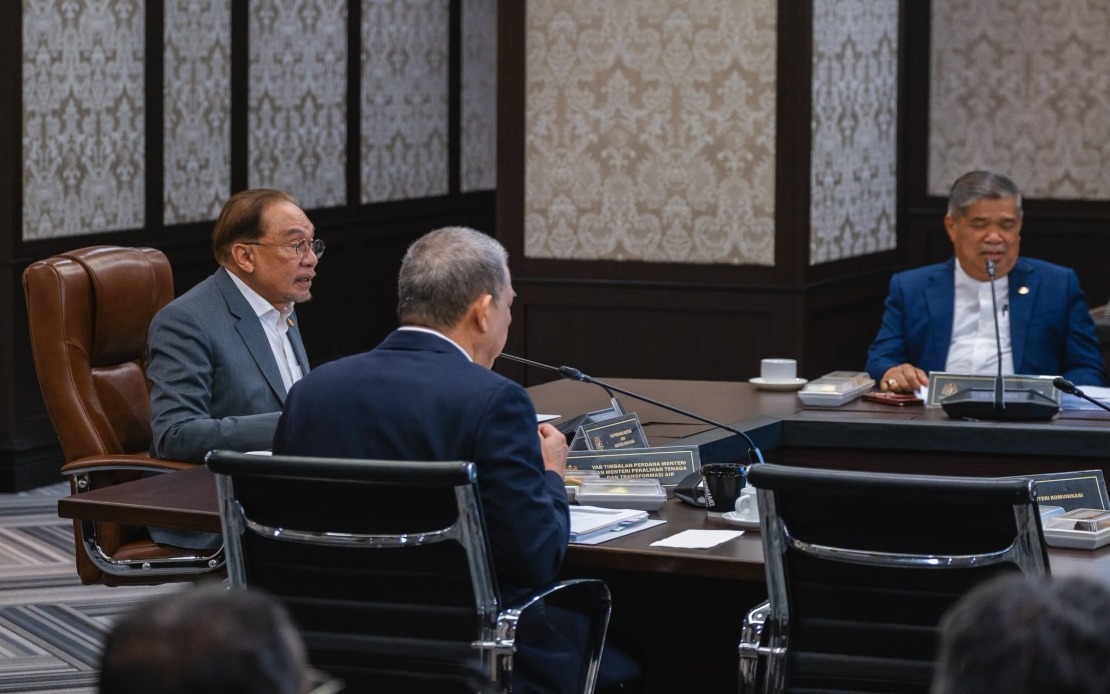
Malaysia is actively pursuing negotiations to dismantle trade barriers affecting its agricultural sector, particularly restrictions on shrimp exports to Thailand that have persisted for nearly a decade and a stalled application for livestock product market access. Agriculture and Food Security Minister Datuk Seri Mohamad Sabu disclosed these efforts following the National Food Security Council Meeting No. 1 of 2026, which was chaired by Prime Minister Datuk Seri Anwar Ibrahim. The discussions underscore the government's commitment to facilitating bilateral agricultural trade while confronting the structural challenges that have hindered Malaysian producers from accessing Thailand's lucrative consumer markets.
The shrimp export issue represents one of Malaysia's most persistent agricultural trade grievances in the region. The Thai import restrictions, which have remained in place since 2017, have significantly constrained Malaysia's aquaculture industry, which ranks among Southeast Asia's major shrimp producers. The ongoing nature of this dispute suggests deep-rooted technical or regulatory disagreements that require high-level diplomatic engagement to resolve. Beyond shrimp, Malaysia submitted an application for market access of its livestock products to Thailand in 2024, yet this remains pending despite the considerable economic stakes involved for domestic producers seeking expanded export opportunities in a neighbouring market of over 70 million consumers.
Simultaneously, Thailand has implemented its own restrictions affecting Malaysian importers. As of June 1, Thai shrimp imports to Malaysia began facing new limitations, creating a reciprocal trade dynamic that complicates bilateral negotiations. Additionally, Malaysia's siakap, or barramundi exports, encounter rigorous inspection protocols when entering Thailand, adding compliance costs and logistical delays for exporters. These multilayered restrictions create a complex trade environment where Malaysian producers face barriers on multiple fronts, suggesting that resolving these issues requires comprehensive agreements addressing not just shrimp but the broader seafood and livestock sectors.
The discussions at the council meeting reflect broader concerns about Malaysia's food security architecture amid environmental pressures. Minister Mohamad highlighted that the government recognises the vulnerabilities posed by the El Niño phenomenon and accelerating climate change, which threaten prolonged droughts capable of undermining domestic agricultural production. These environmental risks make regional trade relationships increasingly critical for Malaysia's food system resilience, as agricultural output faces mounting climatic stress. The ministry has begun implementing prevention, adaptation, and protection strategies to help farmers and agribusiness operators navigate these challenges, ranging from irrigation improvements to crop diversification initiatives.
The National Food Security Council meeting examined several complementary strategies designed to fortify Malaysia's food production ecosystem and export competitiveness. Among these was the feasibility assessment for developing alternative protein sources domestically, potentially including plant-based proteins and cultivated meat technologies that could reduce dependence on traditional livestock and aquaculture. The government also focused on strengthening the competitiveness of Malaysia's agricultural industry, recognising that global food markets increasingly demand compliance with stringent quality and safety standards. Investment in infrastructure improvements, particularly enhancements to the Malaysian Fisheries Development Authority's slipway services and operations, forms part of this strategy to improve post-harvest handling and product quality.
The council meeting also provided updates on the Malaysian Agriculture, Horticulture and Agro-tourism Exhibition, set to run from August 28 to September 6, 2026, at the Malaysian Agricultural Expo Park in Serdang. This biennial flagship event serves as Malaysia's principal platform for showcasing agricultural innovation and transformation, attracting industry stakeholders, investors, and policymakers from across Southeast Asia and beyond. MAHA 2026 is positioned as a catalyst for driving the sector toward greater dynamism and modernisation, providing networking opportunities and technology showcases that support the government's broader vision of agricultural sector development.
The emphasis on food security as a national priority reflects Malaysia's strategic realignment toward ensuring self-sufficiency and regional influence in a crucial sector. Minister Mohamad stressed that resolving these trade disputes and strengthening domestic capacity requires coordinated action across government agencies, private industry, and agricultural organisations. This holistic approach acknowledges that no single entity can address the interconnected challenges of market access, environmental vulnerability, infrastructure development, and product competitiveness that collectively define modern food security.
For Malaysian agribusiness operators, the resolution of Thai trade barriers carries immediate commercial implications. Removing the nine-year shrimp export restriction and securing livestock product market access would open significant revenue streams for aquaculture farmers and livestock producers, many of whom operate on relatively thin margins and depend on export markets for viability. The cumulative economic impact of these restrictions likely extends into tens of millions of ringgit annually across affected sectors, making their resolution a priority for economic recovery and rural income stabilisation.
Regionally, Malaysia's negotiations with Thailand reflect broader Southeast Asian dynamics around agricultural trade liberalisation and food security cooperation. As ASEAN member states increasingly focus on supply chain resilience following global disruptions, bilateral trade arrangements take on heightened importance. The resolution of Malaysia-Thailand agricultural disputes could establish precedents for addressing similar trade barriers elsewhere in the region, potentially facilitating broader agricultural cooperation frameworks. Conversely, protracted disputes risk fragmenting regional food systems and limiting the economies of scale necessary for Southeast Asia to compete effectively in global agricultural markets.
The government's integrated approach to addressing both immediate trade obstacles and longer-term structural vulnerabilities suggests recognition that food security requires multidimensional strategy. While diplomatic efforts continue on the Thai negotiations, parallel investments in climate adaptation, alternative proteins, and infrastructure improvement position Malaysia to reduce vulnerability to future trade disruptions while enhancing its competitive positioning. This layered strategy acknowledges that even when bilateral trade barriers are eventually removed, domestic production capacity and product quality remain critical determinants of export success and food system stability.

