The Malaysian government is mobilising its diplomatic and legal machinery to address financial claims arising from the termination of a defence procurement agreement with Norwegian missile manufacturer Kongsberg Defence & Aerospace AS, signalling a structured approach to protecting the nation's interests while maintaining international relations.
Defence Minister Datuk Seri Mohamed Khaled Nordin disclosed that both the Defence Ministry and Foreign Ministry have formally communicated Malaysia's position to the Norwegian authorities, establishing the groundwork for what promises to be a complex and protracted negotiation process. This dual-ministry coordination underscores the delicate balance required when managing defence disputes with allied nations, particularly those within strategic partnerships that extend beyond military procurement.
The government's strategy hinges on leveraging Norway's role as both the home nation of the contractor and a potential neutral facilitator. By formally notifying Oslo of Malaysia's intentions, Kuala Lumpur is attempting to create diplomatic incentives for the Norwegian government to encourage Kongsberg Defence & Aerospace toward settlement discussions. Such mediation through state channels can prove more effective than direct corporate negotiations, as national governments often exert considerable influence over major defence contractors operating within their jurisdictions.
Mohamed Khaled emphasised the government's commitment to resolving the matter systematically, noting that issuing formal notices from the outset was a deliberate procedural choice. This attention to documentation and proper channels reflects awareness that compensation disputes of this magnitude frequently culminate in international arbitration or litigation, where procedural compliance and clear communication trails become critical evidentiary foundations. The early notification ensures that Malaysia establishes itself as a reasonable party acting in good faith, a positioning that strengthens its legal standing should the matter escalate.
The Foreign Ministry's role centres on requesting Norway to facilitate and mediate between Malaysian authorities and Kongsberg Defence & Aerospace, effectively positioning the Norwegian state as an intermediary broker. This approach recognises that while the contract was commercial in nature, the cancellation has bilateral diplomatic implications. Norway, as a NATO member and defence industry hub, has vested interests in maintaining relationships with regional defence buyers and ensuring its contractors operate under predictable legal frameworks.
The Parliamentary Public Accounts Committee's recent engagement with the Defence Ministry indicates that legislative oversight bodies are actively monitoring the situation and demanding strategic rigour in its resolution. The PAC's call for strengthened mitigation and diplomatic efforts, coupled with its emphasis on protecting fiscal sovereignty, suggests that the committee is concerned both about the quantum of potential compensation and about establishing precedents that might deter future defence procurements or expose the government to unreasonable liability claims.
Malaysia's negotiating position is complicated by several factors inherent to defence procurement cancellations. The contract termination itself requires justification—whether grounded in budgetary constraints, strategic reassessment, or performance concerns—and the grounds for termination directly influence what compensation might be deemed reasonable. Kongsberg Defence & Aerospace will likely argue for recovery of development costs, anticipated profits, and other damages, while Malaysia will contend that termination rights were exercised within contractual parameters or that changed circumstances justify reduced liability.
From a regional perspective, this dispute carries implications for Southeast Asian defence procurement practices more broadly. Nations across the region regularly engage with European defence contractors, and how this case resolves may influence future contract terms, liability caps, and exit provisions. A settlement perceived as overly generous to contractors might encourage more aggressive claims in subsequent disputes, while one viewed as unfairly punitive toward Malaysia could chill regional defence partnerships with European vendors.
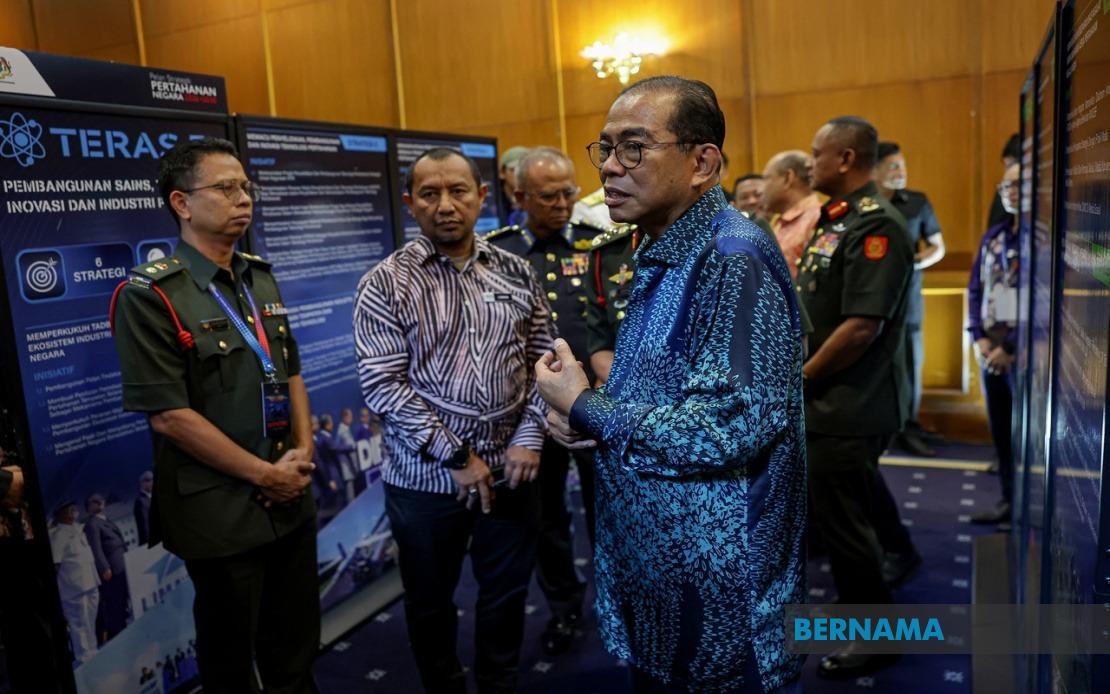
The timing of this resolution effort is also strategically significant. Malaysia's defence modernisation agenda, as reflected in the National Defence Strategic Plan and Defence Capability Blueprint 2026-2030 launched alongside the minister's remarks, requires sustained procurement activity and access to international defence markets. Protracted litigation or acrimonious disputes with major suppliers could compromise Malaysia's credibility as a reliable contracting partner, potentially limiting future options or driving up costs through risk premiums demanded by defence vendors.
The involvement of the Chief of Defence Force in the public announcement of the strategic defence plans, alongside the minister's compensation statement, signals high-level institutional attention to both immediate contractual disputes and longer-term capability development. This unified front suggests that defence leadership recognises the interconnection between resolving past procurement issues and establishing frameworks that will facilitate future acquisitions more smoothly.
Looking forward, the resolution likely hinges on Malaysia's willingness to engage in substantive settlement negotiations and the Norwegian government's capacity to persuade Kongsberg Defence & Aerospace toward compromise. International precedent suggests that defence contractors, even when their home governments apply pressure, rarely accept zero compensation in contract terminations. The realistic outcome probably involves negotiated settlement at a level significantly below the contractor's full claims but above what Malaysia might prefer.

