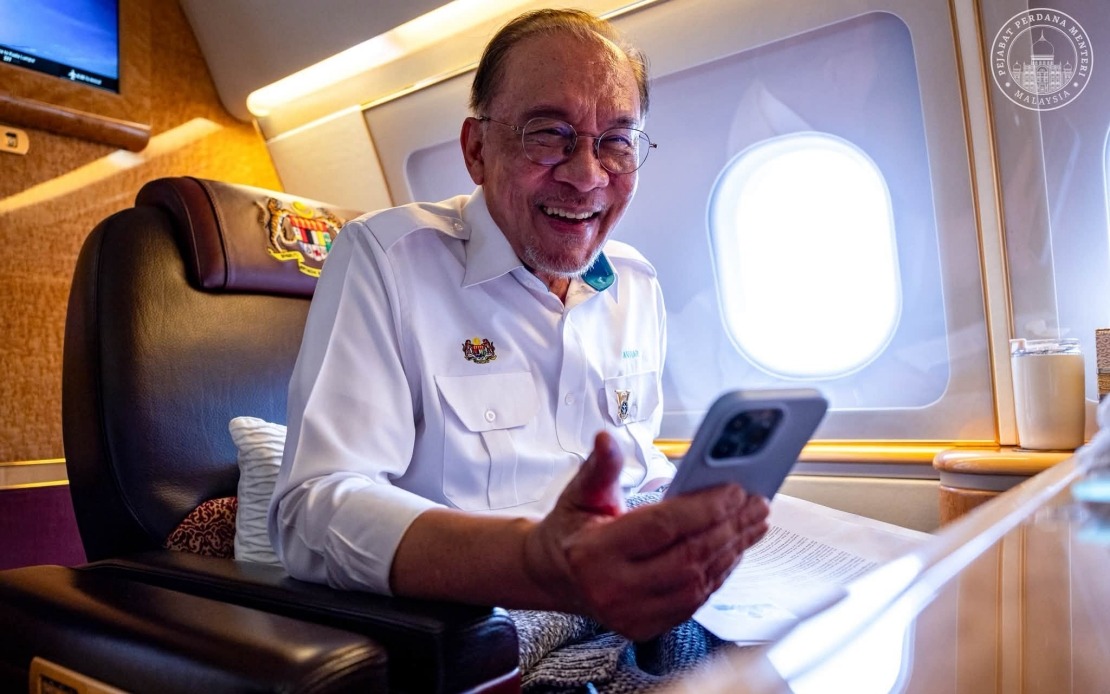
Malaysia will welcome international motorsport's premier series back to its shores for the first time in nearly a decade, with the Sepang International Circuit set to host the Formula 1 Gulf Air Bahrain Grand Prix from October 2 to 4. Prime Minister Datuk Seri Anwar Ibrahim made the announcement on July 26, signalling the nation's readiness to stage a world-class racing event that underscores Malaysia's capacity as a major event host in the Asia-Pacific region.
The decision to bring the grand prix to Sepang represents a significant diplomatic and sporting achievement for Malaysia. Anwar highlighted that the arrangement reflects deeper bilateral ties between Malaysia and Bahrain, characterising the collaboration as evidence of the strong friendship and mutual confidence shared between the two nations. The Prime Minister noted that he had engaged directly with Prince Salman Hamad Al Khalifa, Bahrain's Crown Prince and Prime Minister, as well as Stefano Domenicali, who leads Formula 1 as president and chief executive officer, to facilitate the necessary arrangements.
The nine-year gap since Malaysia last hosted a Formula 1 race represents a substantial absence from the international motorsport calendar. The return to competition is particularly meaningful for the Southeast Asian motorsports community, which has long valued the prestige associated with hosting grand prix events. Sepang International Circuit, situated near Kuala Lumpur, has established itself as a modern racing facility capable of meeting the stringent technical and logistical demands imposed by Formula 1's governing body, the International Automobile Federation (FIA).
In his public comments, Anwar expressed deep gratitude toward the Bahraini government and its leadership for entrusting Malaysia with this responsibility. He framed the hosting arrangement not merely as a sporting transaction but as a manifestation of enduring partnership between two nations with shared regional interests. This characterisation suggests that hosting the race carries implications extending beyond the immediate sporting event, potentially serving as a platform for deepening economic and political relationships across the Gulf-Asia corridor.
The announcement underscores Malaysia's determination to position itself as a reliable and capable destination for hosting premier international events. The Prime Minister emphasised the nation's world-class infrastructure, operational proficiency, and renowned hospitality as key factors underpinning Malaysia's suitability as a grand prix host. These attributes have previously enabled Malaysia to successfully stage numerous major sporting occasions, establishing a track record that makes the country an attractive proposition for international event organisers and sports federations.
From a regional perspective, the return of Formula 1 to Sepang carries significance for Southeast Asian motorsports development and tourism. The grand prix traditionally attracts global audiences, high-profile media coverage, and international visitors, generating substantial economic activity for the host nation. Beyond the immediate financial benefits, such events enhance a country's international profile and demonstrate governance capability on a world stage, factors that Malaysia evidently views as strategically important.
The October timing positions the event during a period when Malaysian weather conditions and the regional sporting calendar create optimal conditions for hosting. The scheduling also reflects careful coordination between Malaysian authorities, FIA officials, and Bahrain's racing administration to ensure the event integrates smoothly into the broader Formula 1 season while accommodating the preferences and constraints of all parties involved.
For Malaysian motorsports enthusiasts and the local automotive industry, the grand prix represents an opportunity to engage with cutting-edge racing technology and celebrate the nation's sporting infrastructure. The event typically catalyses ancillary activities including corporate hospitality programs, fan experiences, and media engagement that collectively amplify the grand prix's cultural and economic footprint within the host nation.
Anwar's public statements reflect the Malaysian government's commitment to leveraging international sporting events as instruments of national development and diplomatic engagement. The Prime Minister's direct involvement in announcing the grand prix and his emphasis on bilateral relations suggests that decision-makers view the race as aligned with broader strategic objectives, including strengthening ties with Gulf nations and reinforcing Malaysia's positioning within international forums.
The logistics of preparing Sepang for Formula 1 standards will necessarily involve coordination across multiple government agencies and private sector stakeholders. Circuit upgrades, security arrangements, accommodation facilities, and transportation infrastructure must all align with FIA specifications and contemporary safety protocols. The compressed timeline before October will test the efficiency of Malaysia's event management capabilities.
This announcement arrives at a moment when Malaysia is actively pursuing international recognition across various domains, from technology and trade to cultural and sporting spheres. The return of Formula 1 to Sepang thus functions as both a concrete achievement and a symbolic demonstration of Malaysia's place within global circuits of influence and competition. The event promises to catalyse broader conversations about the nation's trajectory as a regional sporting destination and its aspirations for continued engagement with world-class international activities.

