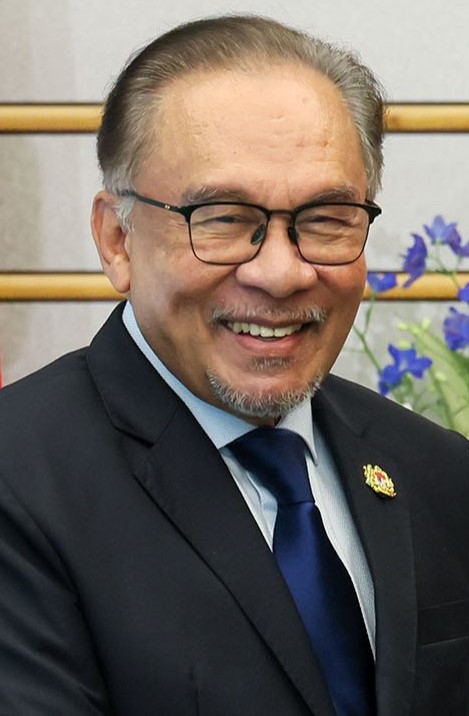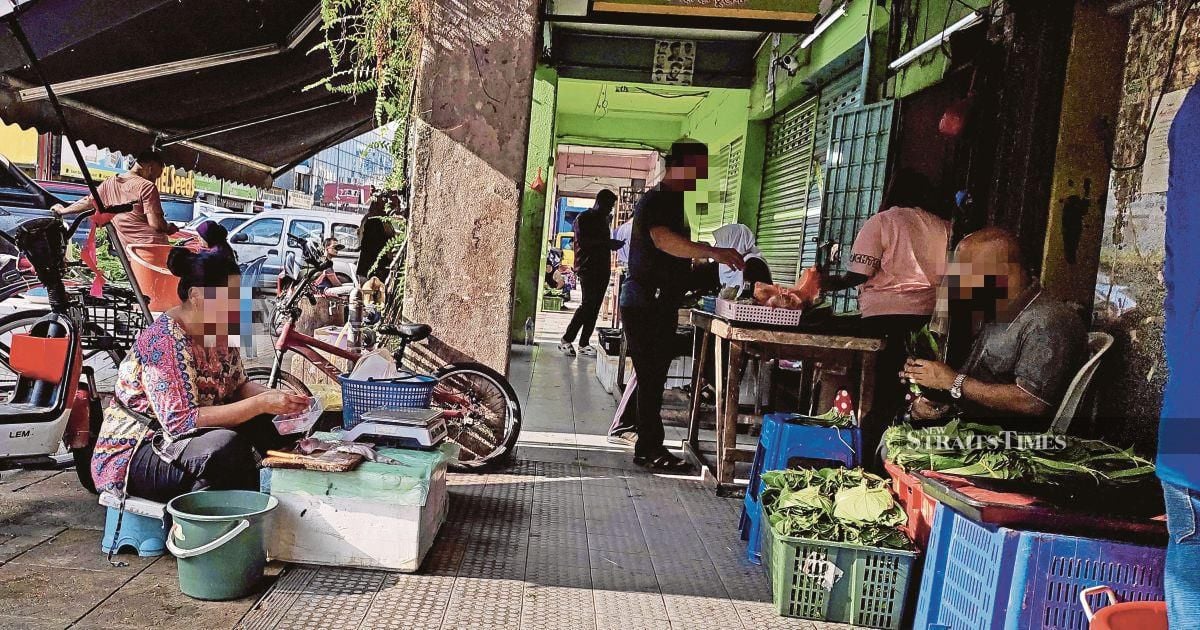
The Malaysian government has issued a fresh appeal to citizens to demonstrate compassion and uphold humanitarian principles when discussing the Rohingya minority, even as public attention and media scrutiny of the stateless population intensifies. The statement, delivered from Putrajaya, underscores growing tension between social sentiment and official policy regarding one of the region's most pressing displacement crises. Officials recognise that maintaining public support for humanitarian efforts requires careful messaging that acknowledges both moral obligations and institutional constraints.
The Rohingya situation presents Malaysia with a delicate governance challenge. The country hosts one of the world's largest populations of Rohingya refugees outside of camps in neighbouring countries, with estimates suggesting over 180,000 individuals reside across Malaysian territory. Many arrived following the 2017 military crackdown in Myanmar's Rakhine State, which the United Nations has described as bearing the hallmarks of genocide. This history of mass displacement and persecution forms the backdrop to current policy deliberations, yet remains largely absent from domestic political debate.
Government messaging reflects awareness that public opinion has become increasingly polarised on refugee issues generally. While Malaysia has traditionally positioned itself as a humanitarian actor in Southeast Asia, supporting vulnerable populations regardless of formal refugee status, domestic concerns about resource allocation, employment competition, and security have gained prominence in recent years. The minister's plea for balance suggests official concern that hardening attitudes could undermine Malaysia's international standing and its ability to respond to humanitarian crises according to established principles.
The legal dimension of Malaysia's approach differs fundamentally from humanitarian imperatives. Malaysia is not a signatory to the 1951 Refugee Convention, meaning the Rohingya lack formal legal status and protections within the Malaysian system. This creates a paradox where the government acknowledges moral responsibility toward vulnerable populations whilst operating within a legal framework that offers limited formal recognition. The tension manifests in restrictions on employment, education access, and freedom of movement that affect daily life for Rohingya communities across urban centres including Kuala Lumpur, Ampang, and Klang.
The regional context amplifies Malaysia's diplomatic balancing act. Myanmar, despite international condemnation of its military's actions in Rakhine State, maintains economic and geopolitical importance to Malaysia and the broader ASEAN framework. Myanmar's generals have shown little inclination toward accountability or reconciliation that would permit large-scale repatriation of Rohingya refugees. Simultaneously, Bangladesh hosts over 900,000 Rohingya in camps in Cox's Bazar, and Indonesia and Thailand have also absorbed significant populations. Malaysia's position as a middle-income country with finite resources means policy choices carry substantial implications for regional burden-sharing on displacement.
Public discourse in Malaysia has increasingly centred on resource competition and social cohesion rather than humanitarian obligation. Local communities in areas with significant Rohingya populations have raised concerns about housing, sanitation infrastructure, and access to public services. These grievances, whilst grounded in legitimate resource constraints, often overshadow discussion of the systematic violence that forced displacement in the first place. The minister's intervention appears designed to reframe the conversation toward fundamental human dignity whilst acknowledging that Malaysian citizens reasonably expect government oversight of integration and security matters.
The ministry's emphasis on compassion reflects international best practices in refugee policy. Countries that have successfully managed large displaced populations typically emphasise community engagement and values-based framing rather than purely restrictive approaches. Public health, education, and livelihood programmes that include refugees produce better outcomes for host communities and displaced persons alike. Malaysia's own experience with earlier displacement waves, including Vietnamese boat people during the Cold War, demonstrates capacity for humanitarian response when political will aligns with public support.
Education represents a particularly contentious flashpoint in current debates. Rohingya children in Malaysia face restrictions on formal schooling, with many attending informal madrasah or learning centres that lack government recognition or standardised curricula. This educational exclusion carries long-term implications for both the refugee community and Malaysia's social fabric, potentially entrenching marginalisation and limiting future integration possibilities. Advocates argue that investing in Rohingya education serves Malaysian interests by reducing trafficking vulnerability and preparing young people for eventual transitions, whether through repatriation, resettlement, or local integration.
Security concerns, whilst sometimes overstated in public discourse, merit serious policy consideration. The minister's framework implicitly acknowledges that rule of law and institutional capacity for background vetting and security screening must accompany humanitarian commitments. Documented instances of trafficking networks exploiting Rohingya populations, and concerns about illicit networks utilising displacement communities, justify government caution. However, security arrangements need not contradict humanitarian principles; many countries implement robust protection protocols alongside genuine support for refugee welfare.
The minister's statement arrives amid subtle shifts in international pressure regarding Myanmar accountability. Recent International Court of Justice cases and ongoing documentation efforts suggest that global attention to Rakhine State atrocities will likely persist. Malaysia's approach to Rohingya issues increasingly signals its broader stance on international humanitarian law and Myanmar's future role in regional affairs. How Malaysia navigates this balance may influence other Southeast Asian responses and affect Myanmar's diplomatic rehabilitation in coming years.
Looking forward, sustainable policy requires building broader social consensus that acknowledges both humanitarian obligation and legitimate domestic concerns. This demands greater transparency about how Rohingya presence affects Malaysian communities, combined with deliberate initiatives that demonstrate tangible benefits from integration investments. Local economic development programmes, vocational training for both Rohingya and Malaysian citizens, and transparent resource allocation can potentially shift perception from zero-sum competition toward mutual benefit frameworks. The minister's plea for balanced compassion, properly implemented, offers opportunity to transcend the current impasse.