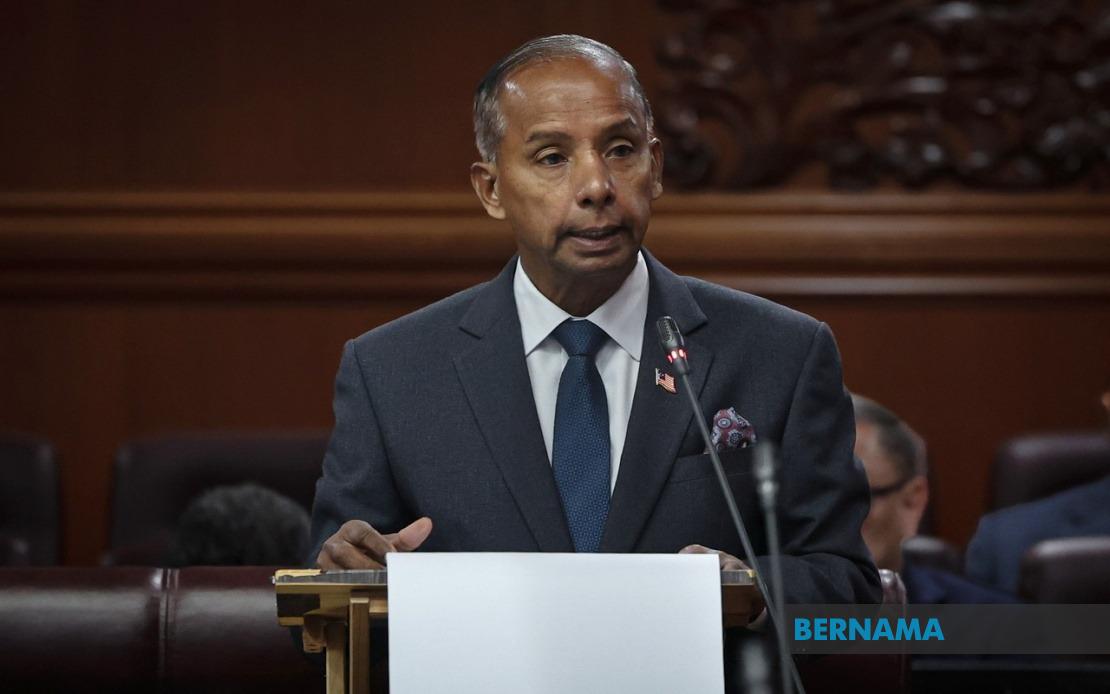
Malaysia is taking a significant step forward in safeguarding the welfare of witnesses who have served the criminal justice system by introducing transitional support mechanisms. The Witness Protection (Amendment) Bill 2026, which secured approval from the Dewan Negara on July 22, proposes providing one-time financial assistance to programme participants as they exit protection, marking a substantial shift in how the country supports individuals who have risked personal security to aid prosecutions. Deputy Minister in the Prime Minister's Department (Law and Institutional Reform) M. Kulasegaran outlined the measure during the upper house debate, emphasising that the new provision addresses a critical gap in the existing legal framework.
Under the proposed amendments, witnesses will gain access to one-off assistance packages that can encompass financial aid, accommodation support, and relocation services once the Attorney General determines that their protection is no longer required. These funds are specifically designated for practical expenses that typically burden individuals during major life transitions, such as securing housing, covering transportation and moving logistics from the protected facility to a new residence, and managing school transfers for dependent children. The approach reflects recognition that abruptly severing support systems can leave witnesses vulnerable to financial hardship and social dislocation precisely when they are attempting to rebuild their lives outside the protection framework.
The current Witness Protection Act 2009 provides comprehensive safeguards and assistance exclusively during the period when individuals remain within the programme, but contains no formal mechanisms to ease the transition once protection concludes. This legislative oversight has potentially left witnesses facing considerable practical difficulties as they reintegrate into society. Kulasegaran stressed that the new assistance framework is deliberately structured as temporary and non-recurring, providing a bridge during the critical adjustment phase rather than establishing indefinite welfare dependency. This distinction is important for programme design, as it balances the state's obligation to protect witnesses with fiscal sustainability and personal agency.
The amendment bill empowers the director-general of the Protection Division within the Prime Minister's Department to determine what constitutes necessary and reasonable protection and assistance for programme participants. This delegation of authority to an experienced administrator allows for flexible, case-specific responses to individual circumstances rather than rigid, one-size-fits-all provisions. Different witnesses may have vastly different reintegration needs depending on their family situation, employment prospects, and the duration of their protection status. The legislative framework thus allows discretionary application while maintaining accountability through departmental oversight.
The broader Witness Protection (Amendment) Bill 2026 encompasses six substantive clauses designed to strengthen multiple dimensions of the scheme's operations. Beyond the exit assistance provision, the amendments target enhanced safety measures, improved welfare arrangements, and more robust physical protection protocols for witnesses. This comprehensive approach recognises that effective witness protection requires attention across the entire spectrum of participant needs, from initial recruitment through long-term programme participation to eventual exit and reintegration. The measures apply specifically to individuals providing testimony in serious criminal matters, corruption cases, and high-profile prosecutions where personal security risks are most acute.
The legislative pathway toward enactment reflects broad parliamentary support. The Dewan Rakyat approved the Bill on July 14, and its passage through the Dewan Negara on July 22 signals substantial consensus across both chambers regarding the necessity and appropriateness of these reforms. This level of support indicates that policymakers across party lines recognise the importance of witness protection as a cornerstone of criminal justice integrity. Without reliable protection mechanisms and support services, potential witnesses may refuse cooperation, either compromising prosecutions or allowing serious criminals and corrupt officials to escape accountability.
For Malaysia's judicial system, the reforms carry significant implications. Witnesses in complex organised crime, trafficking, and corruption cases frequently face intimidation, violence, and social ostracisation. The availability of structured exit support may encourage more individuals to come forward with testimony, particularly when they understand that transitional assistance will ease their reentry into normal society. This potentially strengthens prosecution capacity in precisely those areas where witness cooperation is most critical and most dangerous. Countries with robust witness protection frameworks generally experience higher conviction rates in serious crimes, as potential witnesses feel safer stepping forward.
The regional context further illuminates the importance of these amendments. Throughout Southeast Asia, witness protection remains underdeveloped in many jurisdictions, with Malaysia positioned as a regional leader in this area. The enhancement of the Malaysian scheme, particularly through exit support provisions, potentially establishes a model that other ASEAN nations might consider adopting. Cross-border crime, human trafficking, and corruption networks increasingly require witnesses to operate across multiple legal systems, making standardised protection frameworks increasingly valuable for regional law enforcement cooperation.
The practical implementation of the exit assistance programme will depend significantly on departmental procedures and budget allocation. The Protection Division must develop clear criteria for determining assistance levels, ensuring equitable treatment while maintaining flexibility for exceptional circumstances. Training will be required for staff administering the programme to balance generosity with fiscal responsibility. Additionally, coordination with other government departments managing housing, education, and employment services will be essential to maximise the effectiveness of assistance packages.
Looking forward, the amendments also establish foundations for potential future enhancements. As the scheme accumulates experience with witness reintegration, policymakers may identify additional needs or obstacles that warrant supplementary reforms. The legislative framework created by the 2026 amendments should remain flexible enough to accommodate incremental improvements without requiring wholesale legislative overhaul. This forward-looking perspective aligns with modern governance practices that recognise legislation as a living framework requiring periodic calibration rather than static permanent structures.
The introduction of exit assistance ultimately reflects evolving standards regarding state responsibility toward citizens who perform civic duties at personal risk. Witnesses who testify in serious cases make genuine sacrifices, often relocating, abandoning employment and social networks, and accepting years of restricted movement. Providing structured support during reentry acknowledges this sacrifice while preserving the boundaries between temporary assistance and permanent welfare provision. Malaysia's amendment thus represents measured, evidence-based policymaking that strengthens both individual protections and systemic justice outcomes.

