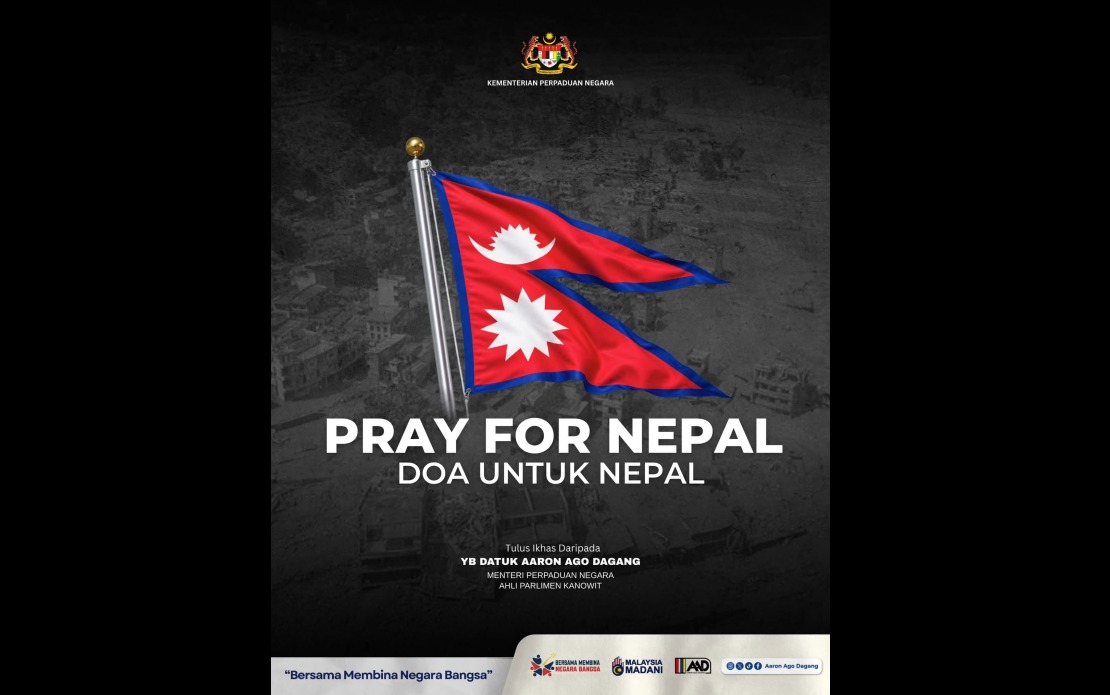
Malaysia's government has mobilised a coordinated response to the devastating floods that struck Nepal's Rasuwa district, with Minister of National Unity Datuk Aaron Ago Dagang expressing deep concern for the affected communities. Through a Facebook statement released on August 28, Ago Dagang conveyed Malaysia's solidarity with the Nepali people during what he described as an exceptionally challenging period, calling on Malaysians to join in prayer for the safety and welfare of those impacted by the disaster.
The flood event has triggered immediate concern in Kuala Lumpur regarding the welfare of Malaysian nationals in the affected region. According to the Foreign Ministry, 57 Malaysians had not yet been reached as of 11 pm on August 27, based on inquiries from family members, friends, and employers seeking information about their whereabouts and safety. This figure represents a significant humanitarian concern and has prompted elevated response measures from Malaysian authorities working across multiple governmental departments.
Prime Minister Datuk Seri Anwar Ibrahim moved swiftly to address the crisis by directing all relevant government agencies to prioritise locating and contacting affected Malaysians. His directive specifically engaged the National Security Council and the Ministry of Foreign Affairs in a coordinated identification and contact operation, recognising that swift communication channels are essential in disaster situations where time is critical for verifying the status of nationals. This multi-agency approach reflects the Malaysian government's commitment to supporting citizens abroad during emergencies.
Ago Dagang's statement emphasised Malaysia's commitment to facilitating smooth recovery and assistance efforts for Nepal's affected population. The minister's comments underscored the regional dimension of disaster response, acknowledging that when neighbouring countries face calamities, the entire region bears responsibility for coordinated humanitarian support. His call for prayers and solidarity represented both emotional support and a reflection of Malaysia's longstanding cultural and diplomatic ties with Nepal.
The flooding in Rasuwa district represents one of the region's more severe weather-related disasters in recent times. Such events highlight the vulnerability of communities across the Himalayan region to extreme weather patterns and the transnational nature of humanitarian crises in Asia. Malaysia's response demonstrates how regional neighbours mobilise resources and attention when citizens abroad face danger, even as they simultaneously support the primary affected nation.
The concern for Malaysian nationals abroad reflects a broader principle in Malaysia's foreign policy: the protection and welfare of citizens living or working overseas. The government's rapid mobilisation of the National Security Council and Foreign Ministry indicates the seriousness with which it treats such incidents. These agencies maintain contact databases, coordinate with embassies, and work through various channels—including employer networks and family connections—to establish the status of uncontactable individuals.
For Malaysian families awaiting news of relatives in Nepal, the government's activation of its emergency protocols provides a structured pathway for obtaining information. The involvement of multiple authorities ensures that various communication channels are utilised simultaneously, increasing the likelihood of successful contact. The Foreign Ministry's tracking of the situation based on reports from family members and employers demonstrates how grassroots information networks complement official government channels during international emergencies.
The Nepal flooding underscores the importance of disaster preparedness protocols that extend across borders. Regional cooperation mechanisms, whether formal or informal, become critical when citizens of one nation are affected by disasters in another. Malaysia's response serves as a model of how countries can balance concern for their own nationals with broader regional humanitarian obligations to support affected populations regardless of nationality.
Looking forward, the success of current contact efforts will depend on the extent to which communication infrastructure in Nepal's affected areas remains functional and on the ability of Malaysian authorities to work through diplomatic and informal channels. The numbers may change as more individuals make contact with their families or authorities, gradually reducing the count of uncontactable persons as the situation develops and accessibility improves in affected regions.
The incident also highlights how Malaysian citizens working or residing across Asia remain connected to home through digital networks and institutional channels that prove invaluable during crises. As globalisation continues to distribute Malaysian workers and expatriates across the region, governments must maintain robust mechanisms for rapid emergency response that can operate effectively across international boundaries and in regions where infrastructure may be compromised by natural disasters.

