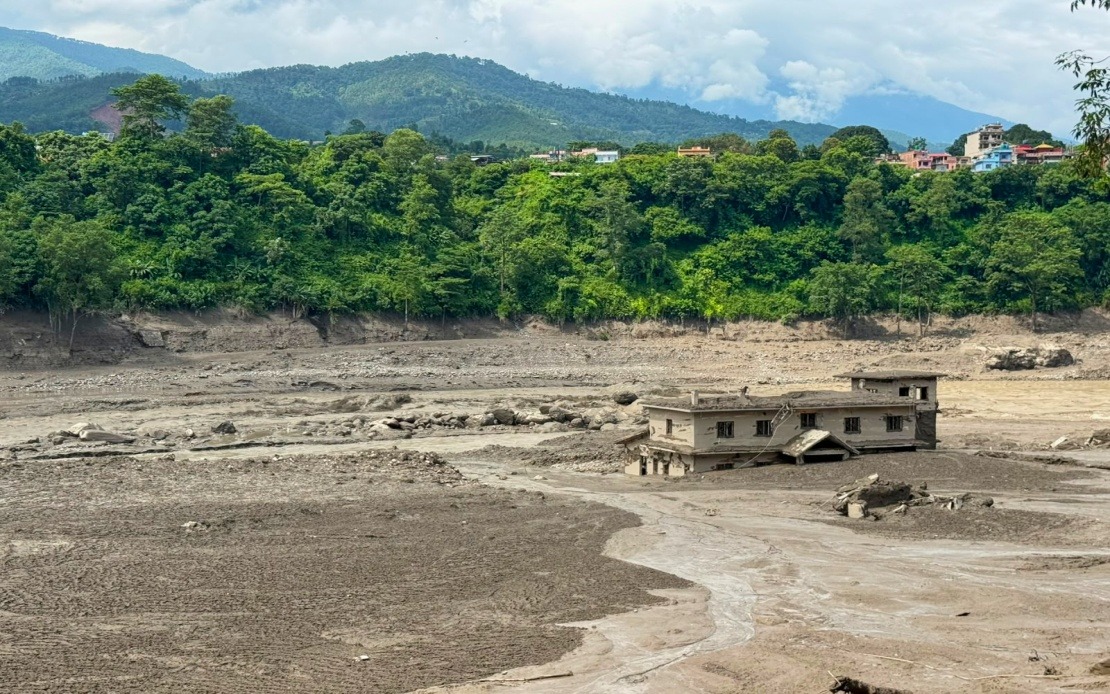
Malaysia has activated a multi-agency diplomatic response to locate 54 citizens who remain out of contact following devastating flash floods that swept through Nepal's Rasuwa district on the border with Tibet. Prime Minister Datuk Seri Anwar Ibrahim announced the coordinated search effort on Tuesday, underscoring the government's commitment to accounting for Malaysian nationals caught in what has emerged as a significant humanitarian crisis in the mountainous region near Kathmandu.
The MADANI Government's response architecture spans multiple countries and agencies. The Malaysian Embassy in Kathmandu is spearheading on-ground efforts in direct collaboration with Nepalese authorities and domestic agencies, while simultaneously deploying officers from the Malaysian High Commission in Dhaka, Bangladesh, to augment coordination capabilities. This regional deployment reflects the logistical complexity of mounting rescue operations across international boundaries in terrain where infrastructure has been severely compromised.
The natural disaster originated from a confluence of meteorological and geological factors that created particularly severe conditions. Torrential rainfall combined with glacier landslides along the Bhote Koshi River generated flash floods of exceptional destructiveness throughout the Nepal-Tibet border area. The cascading environmental triggers have left the region substantially isolated, with communication infrastructure severely disrupted and the primary transport corridor connecting Rasuwa district to Kathmandu rendered impassable.
These communications blackouts have compounded the humanitarian challenge significantly. The inability to establish contact with the 54 Malaysians reflects both the geographical remoteness of Rasuwa district and the comprehensive disruption of telecommunications networks across the affected zone. Physical access difficulties compound the information vacuum, as severed road links have impeded not only evacuation and rescue movements but also the transmission of situational updates from affected communities.
Anwar's public statement on the matter emphasised the emotional and moral dimensions of the crisis. The Prime Minister described his personal concern upon learning of the communication loss, framing the situation as one demanding urgent and comprehensive mobilisation. His invocation of collective prayer and his reiteration that Malaysian welfare constitutes a government priority are designed to provide reassurance to families awaiting news while signalling to diplomatic counterparts the seriousness with which Malaysia regards its citizens abroad.
The Foreign Ministry occupies the coordinating role within this governmental response framework. Regular updates from the ministry informed the Prime Minister of the deteriorating situation, prompting the escalation to whole-of-government coordination. The Ministry's continued oversight of developments indicates an expectation that the situation remains fluid, with potential for both improved communications with trapped nationals and operational responses as Nepalese rescue efforts gain momentum and regional access improves.
For Malaysian nationals and their families, the crisis represents an acute period of uncertainty with limited information. Many Malaysians travel to Nepal for trekking, mountaineering, and cultural tourism, making the Rasuwa district and surrounding Himalayan regions familiar destinations for adventure seekers. The concentration of 54 uncontactable individuals suggests either that a organised group tour encountered the disaster, or that multiple independent travellers operating in the region became simultaneously isolated by the sudden environmental catastrophe.
The involvement of Bangladesh-based diplomatic personnel underscores how flood-affected zones in South Asia often require cross-border coordination mechanisms. Malaysia's diplomatic presence in Dhaka brings additional institutional resources and potentially alternative communication pathways that may facilitate contact with stranded nationals when direct Nepal-based channels remain compromised. This multi-node approach reflects sophisticated diplomatic crisis management adapted to the realities of South Asian geography and infrastructure vulnerabilities.
The broader context of Malaysia's diaspora management during international crises illuminates the government's institutional capacity and protocols. Regular consular crisis scenarios have established frameworks for coordinating across multiple embassies and implementing rapid information-sharing with relevant domestic agencies. The activation of these protocols for the Nepal situation demonstrates both the government's preparedness and the recognition that infrastructure disruptions in mountainous regions can escalate humanitarian situations quickly.
As rescue and recovery efforts continue in Nepal, Malaysia's diplomatic engagement serves dual purposes: the immediate and urgent task of locating and assisting its nationals, and the longer-term responsibility of representing Malaysia's interests and demonstrating governmental responsiveness to citizens in distress. The Regional diplomatic coordination involving Bangladesh reflects how modern consular operations transcend bilateral embassy relationships, creating networks of mutual assistance during shared humanitarian challenges across South Asia.

