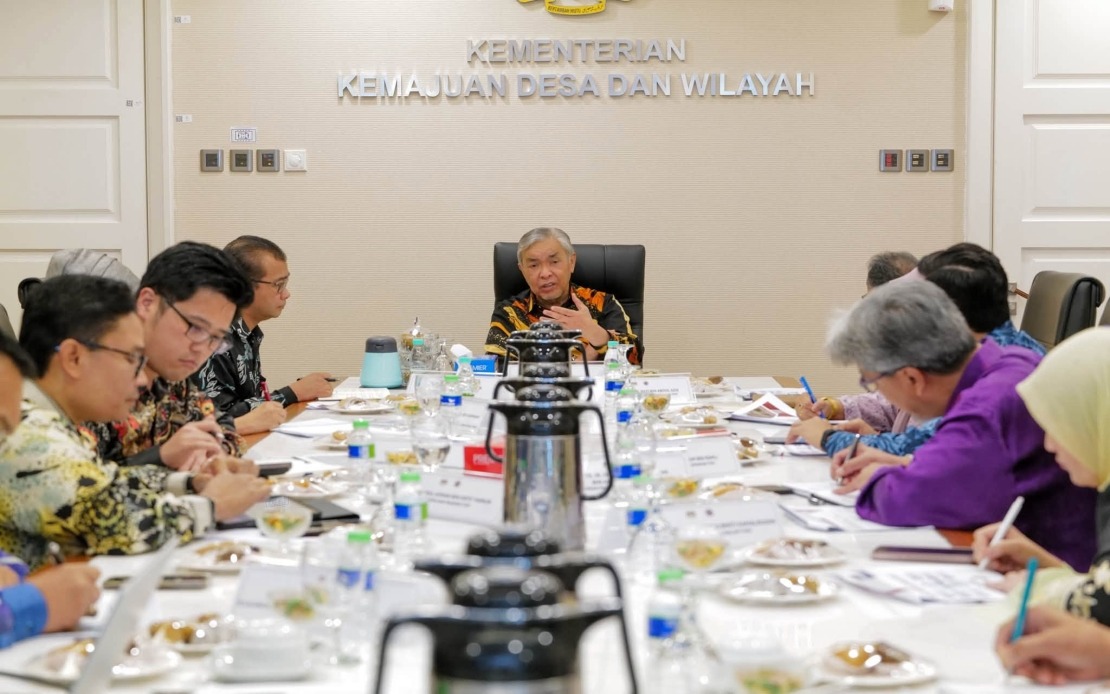
Malaysia is embarking on a comprehensive overhaul of its technical and vocational education system through the establishment of a Strategic TVET 2.0 Task Force spanning 2026 to 2035, with Deputy Prime Minister Datuk Seri Dr Ahmad Zahid Hamidi announcing the initiative in Putrajaya on August 6. The framework represents a significant structural shift in how the country approaches skills development, moving beyond traditional approaches toward a more integrated and industry-responsive ecosystem designed to equip workers for emerging economic challenges.
The Strategic TVET 2.0 Task Force, chaired by UCSI University president and vice-chancellor Emeritus Professor Datuk Dr Siti Hamisah Tapsir, will operate alongside ten specialized strategic committees, each tasked with distinct aspects of the vocational training landscape. This multi-layered governance structure aims to eliminate silos between different stakeholders and create coherent policy coordination across government agencies, educational institutions, and industry partners. Ahmad Zahid, who also chairs the National TVET Council and serves as Minister of Rural and Regional Development, framed the initiative as critical to transforming Malaysia's human capital development strategy in an era of rapid technological change and shifting labor market demands.
The ten committees address specific institutional and operational priorities. The TVET Governance and Institutional Reform Committee, led by Datuk Dr Asyraf Wajdi Dusuki, will focus on structural improvements and regulatory frameworks. The TVET Industry and Employers Committee, chaired by Datuk Khairul Azwan Harun, will ensure that curriculum and training programs align with actual workplace requirements and emerging industry trends. The TVET Financing and Sustainability Committee, under Ramelle Ashram Ramli's direction, tackles the crucial financial mechanisms needed to support long-term program viability. A dedicated Women Empowerment in TVET Committee, chaired by Datuk Dr Masilla Kamalrudin, signals government recognition that gender diversity in technical fields remains underdeveloped despite regional and global labor shortages.
The timing of this initiative reflects Malaysia's strategic positioning within Southeast Asia's evolving economic landscape. As countries in the region compete for manufacturing investment, digital infrastructure development, and advanced services, the availability of technically skilled workers has become a decisive competitive advantage. The TVET 2.0 framework acknowledges that Malaysia's previous vocational training systems, while functional, did not sufficiently anticipate or adapt to rapid changes in industrial demand, particularly in emerging sectors like renewable energy, advanced manufacturing, cybersecurity, and digital services.
The government's emphasis on an outcome-oriented approach represents a departure from input-focused evaluation typical of traditional vocational programs. Rather than measuring success primarily through enrollment numbers or completion rates, the framework prioritizes demonstrable employment outcomes, wage progression, and skills utilization. This shift demands that educational providers maintain closer relationships with employers, create apprenticeship pathways, and continuously update curricula based on workplace feedback rather than relying on static syllabi.
The inclusion of financing and sustainability as a dedicated committee priority underscores awareness that TVET expansion cannot rely solely on government budgets, particularly as demographic changes reduce the school-age population. The committee will likely explore public-private partnerships, employer co-funding mechanisms, and innovative financing models that spread costs across stakeholders who benefit from workforce development. This is particularly relevant for Malaysia, where small and medium enterprises, which dominate employment, often lack resources to invest in employee training independently.
For Malaysian workers, particularly those without tertiary education credentials, the TVET 2.0 agenda offers clearer pathways to middle-income employment and skills recognition. The strategic framework should improve coordination between different training providers, reduce redundancies, and create recognized qualification standards that hold value across employers and regions. Currently, many Malaysian vocational qualifications lack international portability, limiting overseas employment opportunities for graduates and constraining Malaysia's ability to meet skilled labor shortages through internal development.
The women empowerment committee addresses a significant untapped resource in Malaysia's labor market. Women remain underrepresented in technical fields despite demonstrating strong academic performance and completion rates when enrolled in vocational programs. Cultural perceptions, inadequate childcare support, and limited mentorship have historically deterred female participation in fields like electrical work, plumbing, welding, and industrial maintenance. Deliberate recruitment, support, and visibility initiatives could expand the available talent pool considerably while addressing demographic pressures on the workforce.
The ten-year timeframe through 2035 allows for implementation of substantial systemic changes while acknowledging that educational transformation requires sustained effort and iterative refinement. This extended horizon enables schools and training centers to upgrade facilities, retrain instructors, and adjust organizational cultures in line with new pedagogical approaches emphasizing hands-on learning, problem-solving, and workplace exposure. It also provides employers with sufficient predictability to plan workforce development investments and align recruitment strategies with expected graduate competencies.
From a regional perspective, Malaysia's TVET 2.0 initiative has implications for Southeast Asian competitiveness. The Association of Southeast Asian Nations has prioritized workforce development as central to achieving higher value-added economic activities and reducing vulnerability to automation. If Malaysia successfully implements this framework and demonstrates measurable improvements in graduate employment outcomes and earnings, the model could influence policy choices across the region and potentially facilitate labor mobility through recognized qualifications standards.
The success of the Strategic TVET 2.0 Task Force will ultimately depend on sustained political commitment beyond announcement phases, adequate funding allocation, genuine buy-in from educational institutions traditionally resistant to rapid change, and meaningful employer engagement extending beyond committee participation to curriculum co-design and work-integrated learning. The framework provides governance structures and strategic direction, but translating these into classroom and workshop realities requires persistent implementation oversight and willingness to adapt approaches based on evidence of what works.
As Malaysia navigates economic transitions driven by technology and global supply chain shifts, vocational education and training have become strategic imperatives rather than secondary educational pathways. The TVET 2.0 initiative signals that policymakers recognize this reality and are attempting to mobilize institutional resources toward more responsive, employer-aligned, and equitable skills development. Whether the task force and committees can overcome historical fragmentation and create the integrated ecosystem described in their mandate will significantly influence Malaysia's economic competitiveness over the next decade.

