Malaysia is embarking on a significant legislative review to modernise its approach to child protection and welfare. The Ministry of Women, Family and Community Development (KPWKM) has initiated a comprehensive examination of the Child Act 2001 (Act 611) in response to 159 recommendations submitted by the United Nations Committee on the Rights of the Child (UNCRC). This move signals the government's commitment to aligning national legislation with international standards and addressing gaps that may have emerged since the act's implementation over two decades ago.
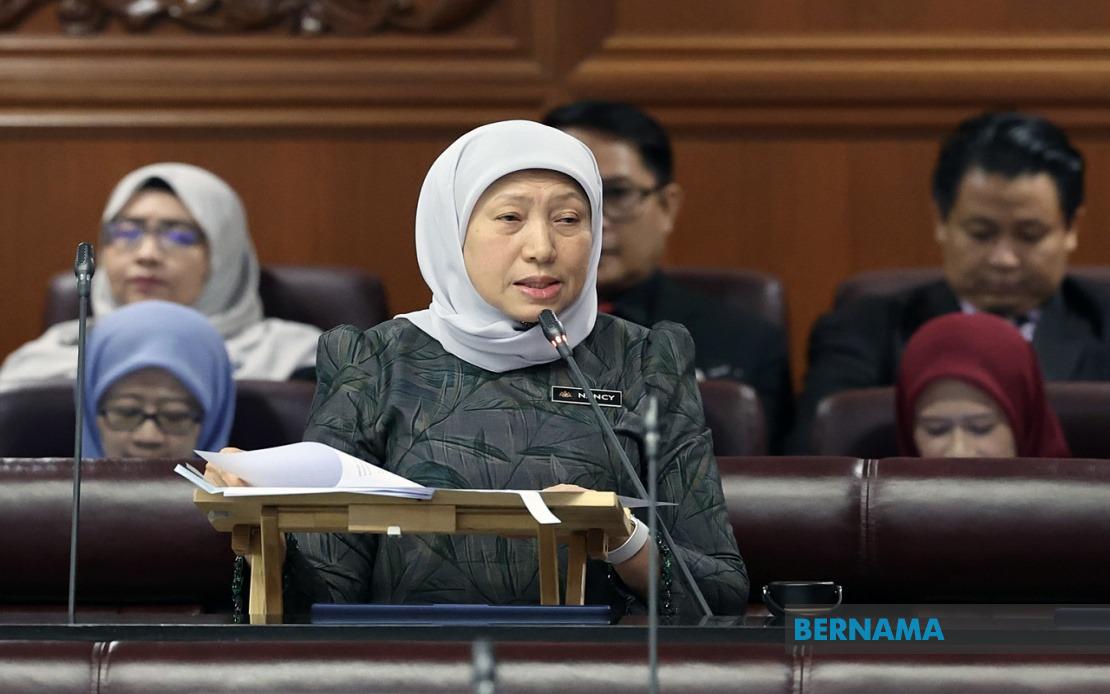
During parliamentary proceedings in the Dewan Negara, Minister Datuk Seri Nancy Shukri outlined the scope and ambition of the undertaking. The UNCRC's Concluding Observations span multiple dimensions of child welfare, extending beyond basic protection to encompass legal frameworks, safeguarding mechanisms against abuse, and the practical enforcement of children's rights across all government and community institutions. This breadth reflects the complexity of child protection in contemporary Malaysia, where urbanisation, digital connectivity, and changing family structures have created new vulnerabilities alongside traditional concerns.
The recommendations target several critical areas within Malaysia's child protection system. These include reforms to the legal architecture governing children's affairs, enhanced mechanisms to prevent and respond to abuse in all settings, and improvements to how existing laws are translated into tangible protections for vulnerable minors. The UNCRC has evidently identified both substantive gaps in legislation and implementation shortcomings that undermine the effectiveness of current provisions. The emphasis on legal reforms suggests that the 2001 act, while foundational, may not adequately address contemporary threats to children including cyberbullying, trafficking, exploitation in the digital economy, and evolving family structures.
Minister Shukri emphasised that the review would not be confined to KPWKM's departmental expertise alone. Instead, the government intends to adopt a whole-of-government strategy, drawing on insights and operational knowledge from multiple ministries and agencies. This collaborative approach reflects international best practice in child protection, which recognises that children's welfare intersects with education, health, law enforcement, social services, and community development. By institutionalising cross-agency cooperation in the review process, Malaysia positions itself to identify systemic gaps that single-agency reviews might overlook and to develop holistic solutions that address root causes rather than symptoms.
The review will specifically examine how the Child Act 2001 currently addresses child protection mechanisms and mandatory reporting obligations. These elements form the backbone of early intervention systems; weaknesses here allow abuse to continue undetected or unreported. The scrutiny will extend to children's court procedures, an area where delays, procedural complexity, or inconsistency can re-traumatise child victims and witnesses while reducing the likelihood of just outcomes. The act's provisions regarding family and community-based care models will also come under examination, reflecting a global shift away from institutionalisation and towards maintaining children within family and community settings whenever safe and feasible.
Rehabilitation and follow-up support services represent another focal point for the review. This dimension addresses what happens after a child has been removed from a harmful situation—whether the system provides adequate counselling, skills development, educational continuity, and social reintegration support. Many jurisdictions struggle with this phase, allowing children to exit formal protection only to drift back into vulnerability. The UNCRC's focus on this area suggests Malaysia may face similar challenges, making targeted improvements here potentially transformative for long-term outcomes.
A critical component involves clarifying and formalising the roles, authority, and accountability of all stakeholders involved in child case management. Parents and guardians, government agencies, courts, community organisations, and civil society each play a part, but unclear delineation of responsibility often leads to gaps where children fall through institutional cracks. By defining these roles more precisely and establishing protocols for inter-agency coordination, the review aims to create a more seamless protective network. This is particularly important in Malaysia's context, where a federal system means child protection responsibilities span federal and state jurisdictions, sometimes creating confusion about which authority should act in specific circumstances.
The recommendations also implicitly highlight the need for enhanced cross-agency collaboration and information-sharing protocols. In many cases, multiple agencies may hold separate pieces of information about a child's vulnerability—teachers noting behavioural changes, healthcare workers observing injuries, social workers investigating family circumstances—yet without formal mechanisms to pool and analyse this information, the full picture remains invisible. Strengthening these collaborative structures, possibly through digital systems that allow secure information-sharing while protecting privacy, could substantially improve early identification of at-risk children.
For Malaysian civil society and international observers, this review represents an opportunity to address longstanding concerns about implementation gaps in child protection. While Malaysia has ratified the Convention on the Rights of the Child and its optional protocols, numerous reports from human rights organisations have documented persistent issues including inadequate response to child abuse allegations, insufficient support services in rural areas, and inconsistent application of child protection provisions across different states. A thorough, evidence-based review offers the possibility of closing these gaps through legislative amendment and capacity-building across agencies.
The process of incorporating UNCRC recommendations into domestic law carries implications for the broader Southeast Asian region. Malaysia's approach to child protection legislative reform may set precedents that other ASEAN nations reference or emulate. Given the region's shared challenges around child trafficking, exploitative labour, and child marriage in certain communities, Malaysia's willingness to undergo comprehensive legislative review in response to international scrutiny could catalyse similar efforts elsewhere and strengthen the region's collective capacity to protect vulnerable children.
Implementation of any resulting amendments will present a distinct challenge from the legislative reform itself. Effective child protection depends not merely on well-drafted laws but on adequate funding for agencies, training of personnel across the system, and sustained political will to prioritise children's welfare even when competing budgetary pressures arise. The success of this review will ultimately be measured not by the recommendations implemented, but by whether children across Malaysia experience enhanced safety, dignity, and opportunity as a result. Establishing clear timelines, performance metrics, and accountability mechanisms will be essential to translating the UNCRC's recommendations into measurable improvements in children's lives.

