Malaysia has entered the international race for a non-permanent seat on the United Nations Security Council, submitting its official candidacy for the 2036–2037 term and signalling its determination to champion fundamental reform of the global security architecture. The move represents a significant diplomatic commitment by Kuala Lumpur to shape the trajectory of international peacekeeping and collective security over the coming decade, positioning Malaysia as an advocate for restructuring a system that the country views as fundamentally inequitable in its current form.
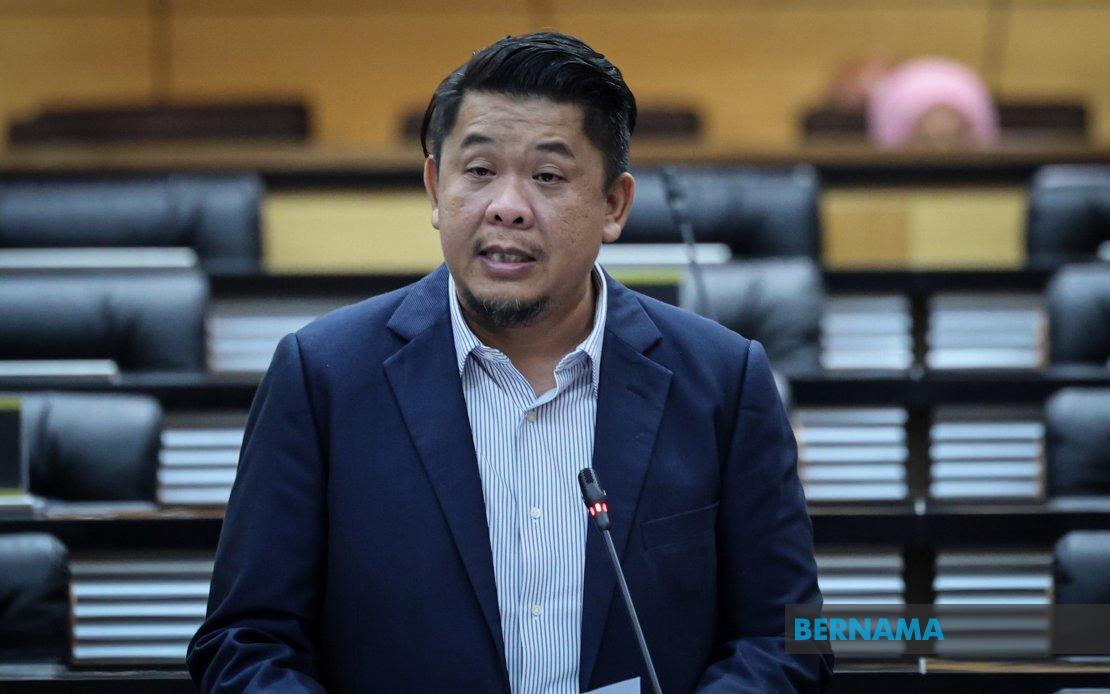
Deputy Foreign Minister Datuk Lukanisman Awang Sauni outlined Malaysia's vision during a parliamentary question-and-answer session, emphasising that reform of the Security Council's veto mechanism constitutes a defining element of the nation's foreign policy framework. The deputy minister articulated a clear philosophical position: that the concentrated veto power wielded by the five permanent members has become an anachronistic impediment to effective global governance in an era of evolving geopolitical challenges and humanitarian crises that demand swift, coordinated international responses.
Malaysia's stance extends beyond abstract principle into concrete advocacy for practical limitations on how veto authority may be exercised. The government has declared that even if outright abolition of the veto proves politically impossible within the foreseeable future, it will pursue restrictions preventing its use in situations involving egregious international law violations. This nuanced position acknowledges the entrenched interests of permanent members whilst maintaining pressure for meaningful change that would prevent single nations from blocking action in cases of documented war crimes, genocide, crimes against humanity, and systematic destruction of civilian populations.
The timing of Malaysia's candidacy proposal, coupled with its intended reaffirmation of these principles at the UN General Assembly debate in New York this September, reflects deliberate strategic sequencing. Foreign Minister Datuk Seri Mohamad Hasan will use Malaysia's national statement as a platform to reinforce these commitments before the international community, thereby embedding Malaysia's reform agenda into the public record as the nation formally pursues its candidacy. This approach seeks to establish credibility and consistency in Malaysia's diplomatic messaging across multiple high-profile venues.
The choice to highlight Gaza and the destruction of civilian infrastructure as a contemporary example of veto paralysis carries particular significance for Malaysian foreign policy positioning. By invoking ongoing Middle Eastern conflict dynamics, Malaysia signals alignment with Global South perspectives that view the veto mechanism as disproportionately serving geopolitical interests of major powers at the expense of vulnerable populations and normative international law. This rhetorical framing resonates strongly with Malaysia's established diplomatic identity as a voice for developing nations and principles-based international relations.
Malaysia's previous service on the Security Council provides important context for understanding the contemporary candidacy. The nation brings institutional memory of engagement with permanent members and experience navigating the complexities of consensus-building within the council chamber. Re-election would position Malaysia to translate rhetorical commitment to reform into substantive action through negotiation, coalition-building, and utilisation of procedural mechanisms available to non-permanent members who seek to amplify minority or alternative perspectives within security debates.
The Security Council non-permanent seat election process involves competitive campaigns among eligible nations within regional groupings, making Malaysia's candidacy part of a broader Asia-Pacific competition for representation. Malaysia's track record of diplomatic engagement, its positioning within ASEAN, and its historical prominence in developing world forums constitute comparative advantages in securing votes during the election cycle. The 2036–2037 timeframe allows for extensive preparation and cultivation of support among UN member states.
Malaysia's dual emphasis on reform and substantive peace and security priorities suggests the nation envisions its potential council membership as serving instrumental purposes beyond ceremonial representation. By coupling veto abolition advocacy with broader commitments to addressing contemporary security challenges, Malaysia frames its candidacy as offering distinct value to the international community rather than merely pursuing status-oriented objectives. This approach appeals to fellow developing nations seeking genuine advocacy for their interests within the council's deliberations.
The domestic parliamentary context surrounding Malaysia's candidacy announcement demonstrates cross-party recognition of the issue's importance. Parliamentary members from government coalition benches raised concerns about veto power's disproportionate effects, indicating broad consensus within Malaysian political leadership regarding the inequities embedded in current Security Council structures. This domestic alignment strengthens Malaysia's international negotiating position by suggesting that the nation's reform agenda reflects genuine national commitment rather than transient diplomatic positioning.
For Southeast Asian readers and the broader Asia-Pacific region, Malaysia's candidacy and reform emphasis carries implications extending beyond formal council representation. It reflects mounting frustration among mid-sized powers and developing nations with international institutions that emerged from post-World War II power distributions increasingly misaligned with contemporary geopolitical realities and demographic distributions. Malaysia's willingness to persistently articulate these critiques may encourage other regional nations to similarly contest structural elements of global governance frameworks that concentrate decision-making authority among historically dominant powers.
The interconnection between Malaysia's UN Security Council ambitions and its existing leadership roles within ASEAN and broader developing world coalitions cannot be overstated. A successful bid would enhance Malaysia's diplomatic standing within these networks whilst providing a platform for advancing regional interests in global security discussions. Conversely, the candidacy allows Malaysia to strengthen relationships with fellow nations opposing veto-concentrated decision-making, potentially creating coalition patterns that extend beyond the council itself into other international forums addressing shared concerns.
Looking forward, Malaysia's formal submission of candidacy initiates a multi-year campaign requiring sustained diplomatic engagement across all UN member state constituencies. The nation must balance principled advocacy for systemic reform with pragmatic relationship-building across ideologically diverse voting blocs. Success in achieving the 2036–2037 seat would validate Malaysia's approach whilst providing a concrete platform for translating reform rhetoric into substantive council contributions, positioning Kuala Lumpur as a substantive voice reshaping how international security and conflict resolution function within the coming decade's geopolitical landscape.

