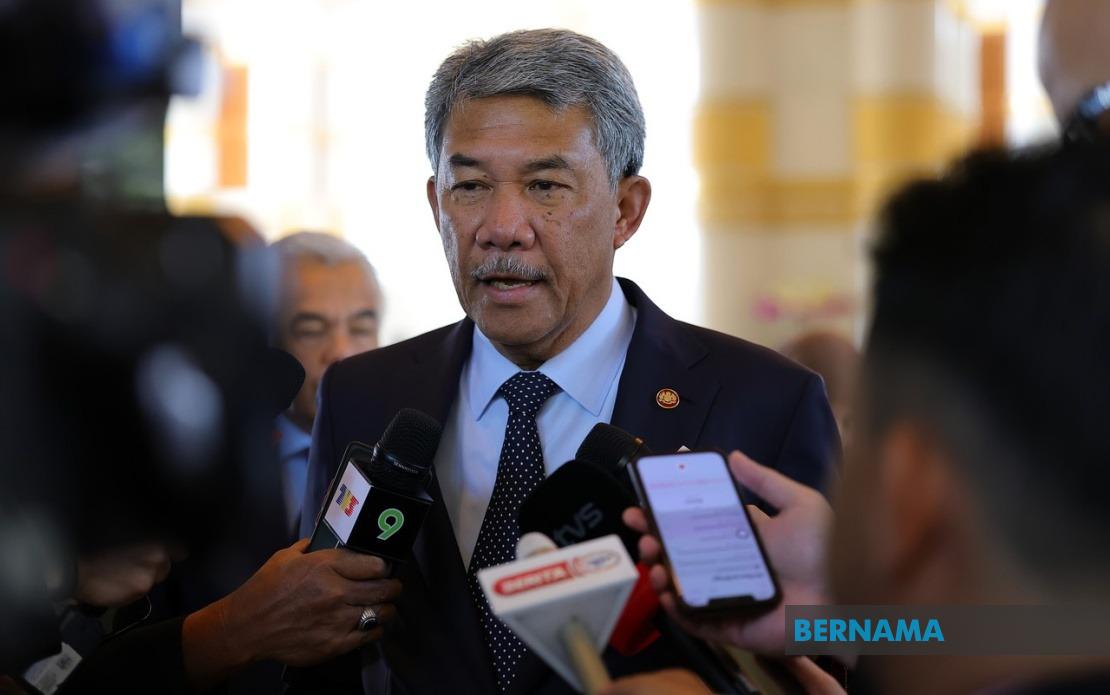
Malaysia is escalating efforts to combat transboundary haze through established regional diplomatic channels, with Foreign Minister Datuk Seri Mohamad Hasan signalling a coordinated approach via ASEAN frameworks to resolve the escalating air quality crisis affecting multiple parts of Southeast Asia. Speaking during an official visit to Brunei, Mohamad outlined Malaysia's strategy to harness the regional bloc's institutional machinery for managing what has become an increasingly urgent environmental and public health challenge across borders.
The decision to route the matter through ASEAN reflects Malaysia's confidence in the bloc's capacity to facilitate dialogue among member states grappling with shared environmental pressures. The Foreign Ministry's commitment to leverage established mechanisms underscores the belief that collaborative regional approaches yield superior outcomes compared to bilateral negotiations, particularly when environmental phenomena transcend borders and affect multiple nations simultaneously. By positioning ASEAN as the appropriate forum, Malaysia is signalling its preference for inclusive, multilateral problem-solving that acknowledges the transnational nature of atmospheric pollution.
Formally, Malaysia's Ministry of Natural Resources and Environmental Sustainability (NRES) will submit an official communication to the ASEAN Secretariat in the coming weeks, initiating formal procedures for addressing the matter through the organisation's standard protocols. This move represents a deliberate escalation from informal diplomatic overtures to institutionalised channels capable of mobilising collective action. The formal notification process ensures the issue receives official standing within ASEAN frameworks and creates documented records that can inform future policy coordination efforts across the region.
Parallel to these multilateral efforts, NRES Minister Datuk Seri Arthur Joseph Kurup will engage directly with his Indonesian counterpart through bilateral correspondence. This dual-track approach—simultaneous engagement at both multilateral and bilateral levels—allows Malaysia to maintain diplomatic pressure while preserving channels for direct negotiation with Indonesia, the nation whose territory is central to addressing the underlying causes of transboundary haze. The combination of formal ASEAN involvement and direct ministerial dialogue provides multiple avenues for constructive engagement and demonstrates the seriousness with which Malaysia treats the issue.
The timing of these diplomatic initiatives coincides with high-level bilateral consultations between Malaysia and Brunei, where the transboundary haze situation is positioned as a matter of mutual concern requiring coordinated regional response. During the 27th Malaysia-Brunei Annual Leaders' Consultation scheduled for August 22, Prime Minister Datuk Seri Anwar Ibrahim and Sultan Hassanal Bolkiah are expected to discuss the haze crisis alongside bilateral matters. Brunei's participation in these discussions acknowledges the cross-border nature of the environmental challenge and signals unified ASEAN concern.
The air quality situation in Malaysia's eastern regions has deteriorated markedly, with real-time monitoring data painting a concerning picture. Sarawak's Serian District recorded an Air Pollutant Index reading of 217 as of early afternoon on August 21, placing the area in the "very unhealthy" category where outdoor activities pose genuine health risks. This classification indicates air quality levels requiring immediate public health attention and intervention. Nine additional locations across Sarawak registered "unhealthy" readings ranging from 108 to 186, with major population centres including Kuching at 171 and Sibu at 156. These geographically dispersed problem areas underscore the pervasive nature of the atmospheric degradation affecting Sarawak.
The sustained elevation of Air Pollutant Index readings across multiple Sarawak locations reflects the persistence of the transboundary pollution phenomenon, which typically correlates with haze-generating activities such as agricultural burning and land clearing in neighbouring regions. The geographic spread of affected areas—from Serian in the north to Kapit inland to Samarahan in the south—demonstrates how atmospheric circulation patterns carry pollutants across considerable distances, making localised solutions insufficient. This reality underscores why regional cooperation through ASEAN frameworks represents a logical policy response rather than merely aspirational diplomacy.
The invocation of ASEAN mechanisms carries particular significance given the regional organisation's historical engagement with environmental cooperation and its established procedures for mediating disputes among member states. ASEAN's ASEAN Regional Forum and various working groups on environmental matters provide institutional foundations for elevating the haze issue beyond informal complaints to structured diplomatic engagement. By channelling the matter through these existing structures, Malaysia positions itself as a stakeholder committed to rule-based regional cooperation whilst maintaining pressure on all parties to address the underlying causes.
For Malaysian readers, the government's emphasis on formal diplomatic channels rather than public confrontation suggests a calibrated approach prioritising long-term regional cooperation over short-term political scoring. The haze crisis, while causing measurable harm to public health and economic activity, represents a recurring seasonal challenge requiring sustained institutional mechanisms rather than crisis-driven responses. Malaysia's strategy appears designed to establish precedent for ASEAN-managed environmental coordination that can address not only current haze episodes but establish frameworks applicable to future transboundary environmental challenges.
The diplomatic initiatives also reflect recognition that unilateral measures—stricter emissions standards within Malaysia, enhanced air quality monitoring, public health advisories—provide insufficient solutions when pollution originates beyond national borders. By anchoring the response in ASEAN structures and bilateral engagement with Indonesia, Malaysia seeks to influence source-region activities whilst demonstrating commitment to collaborative problem-solving that respects regional sensitivities around national sovereignty and development priorities. This nuanced approach acknowledges Indonesia's legitimate development interests whilst insisting that environmental protection remains a shared regional responsibility.
The broader implication for Southeast Asia involves establishing whether ASEAN can evolve from a forum primarily focused on economic integration and security cooperation into a vehicle for addressing transnational environmental challenges. The transboundary haze phenomenon has exposed limitations in existing mechanisms for compelling member states to internalise the environmental costs of their development activities. Malaysia's current diplomatic push tests whether ASEAN institutions possess sufficient authority and mechanisms to facilitate meaningful behavioral change among member states regarding transnational pollution sources.
Looking forward, the effectiveness of Malaysia's ASEAN-centred strategy will depend on Indonesia's receptiveness to formal diplomatic engagement and the ASEAN Secretariat's willingness to actively facilitate negotiations rather than serving merely as a passive conduit for correspondence. The coming weeks will demonstrate whether elevating the issue to official ASEAN channels generates momentum for concrete mitigation measures or whether transboundary haze remains an intractable challenge requiring acceptance rather than resolution.

