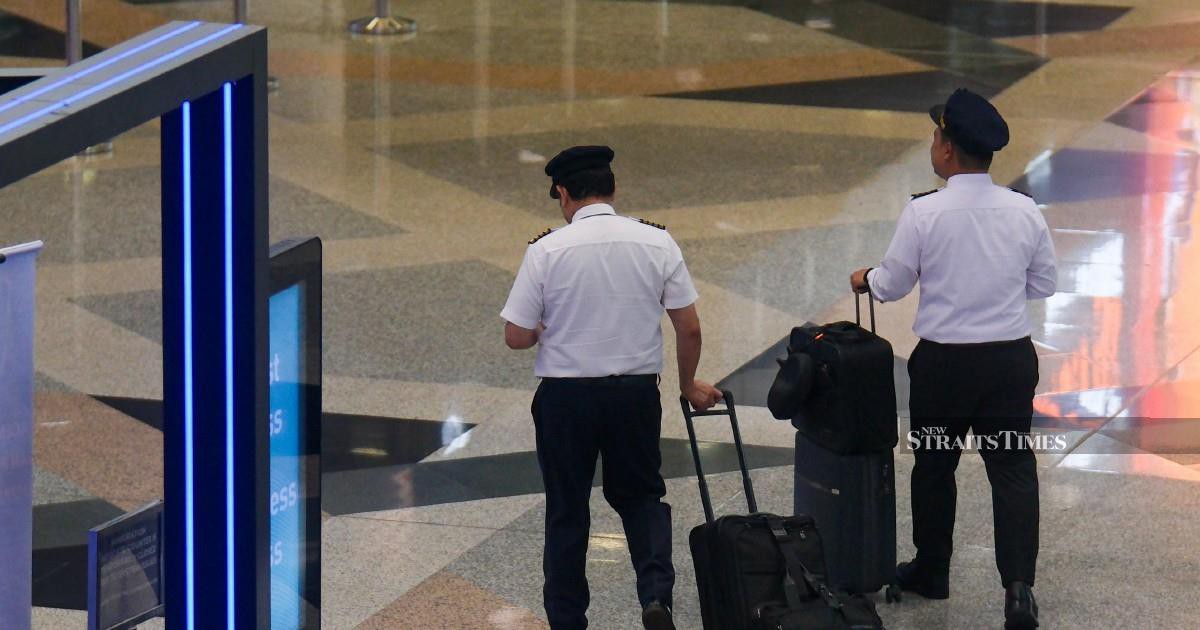
Malaysia Corruption Watch has redirected the narrative around the arrest of a Malaysian pilot discovered carrying drugs in Indonesia, urging authorities to prioritise a comprehensive examination of security weaknesses at Kuala Lumpur International Airport rather than pursuing a bureaucratic blame game over jurisdictional responsibility.
The civil watchdog's intervention signals concern that investigations could become mired in administrative finger-pointing between agencies at KLIA, potentially obscuring deeper systemic failures that may have enabled the incident. This calculated shift in emphasis reflects growing frustration within anti-corruption circles about how Malaysia handles high-profile security breaches—typically focusing on who failed rather than what structural deficiencies allowed failures to occur in the first place.
The pilot's apprehension while allegedly transporting narcotics through Indonesian territory has raised uncomfortable questions about the adequacy of screening procedures and personnel vetting at one of Southeast Asia's busiest aviation hubs. KLIA, which processes millions of passengers and staff annually, represents a critical vulnerability point in Malaysia's security apparatus, making any compromise of its systems a matter of national concern.
Malaysia Corruption Watch's position reflects an increasingly sophisticated understanding of institutional accountability. Rather than targeting individual officers or departments for negligence, the watchdog recognises that sustainable improvements demand structural reform. Security lapses at major airports rarely emerge from isolated failures by single agencies; they typically indicate systemic weaknesses—inadequate training protocols, insufficient technological safeguards, poor inter-agency coordination, or gaps in personnel background verification procedures.
The implications for Malaysia's international standing merit consideration. KLIA serves as a gateway for regional and global commerce, tourism, and diplomatic activity. Any perception that the airport's security can be circumvented undermines confidence among international partners and commercial operators. Airlines, freight companies, and governments making route decisions must trust that screening measures function reliably.
From a regulatory perspective, the case highlights the complex overlaps between customs, immigration, airport security, law enforcement, and aviation authority jurisdictions. Each agency operates within defined parameters, but passenger and cargo movement involves sequential handoffs between these entities. A single weak link—whether inadequate screening technology, insufficient staff training, or poor inter-agency intelligence sharing—can create vulnerabilities that determined individuals might exploit.
The drugs discovery through Indonesian authorities rather than Malaysian screening represents a particularly embarrassing scenario. It suggests that another nation's security processes caught what domestic systems either missed or failed to prevent from leaving the country. This reflects poorly on operational competence and raises questions about whether Malaysia's aviation security measures meet international best-practice standards.
Malaysia Corruption Watch's advocacy for systemic review rather than scapegoating reflects lessons learned from previous high-profile security incidents globally. When airports focus investigations solely on identifying culpable individuals, the underlying deficiencies persist. Structural vulnerabilities in baggage handling, crew screening, perimeter security, or intelligence-sharing protocols remain unaddressed, creating conditions for recurrence.
The timing of MCW's intervention is significant, as preliminary investigations are likely beginning. Establishing the correct investigative framework now—emphasising systems over individuals—makes institutional improvement more probable. Conversely, investigations framed around agency responsibility and personal accountability often conclude with suspensions or dismissals, leaving broken systems intact.
For regional security cooperation, this case underscores the importance of transparent communication between Southeast Asian aviation authorities. Indonesia's identification of the contraband created an opportunity for Malaysian authorities to diagnose systemic failures. Framing investigations collaboratively rather than defensively strengthens the region's collective security posture.
The broader challenge facing Malaysia involves balancing accountability for individuals with institutional improvement. Both matter. However, when they conflict, systemic reform typically yields greater long-term benefits for public security and institutional credibility. MCW's position essentially argues that understanding how security measures failed matters more than determining whose departmental unit should bear responsibility.
Looking forward, authorities should consider commissioning independent security audits of KLIA's screening procedures, personnel vetting, technology deployment, and inter-agency protocols. Such audits, conducted transparently, would identify specific vulnerabilities and enable targeted improvements. This approach transforms a damaging incident into a catalyst for enhanced security.
For Malaysian business and travel sectors, institutional commitment to addressing KLIA's security architecture provides assurance that incidents are learning opportunities rather than merely administrative inconveniences. Malaysia's aviation industry, economically significant regionally, depends on maintaining security credibility. MCW's call for systemic examination rather than bureaucratic blame assignment thus serves broader national interests in preserving international confidence in Malaysian aviation infrastructure.

