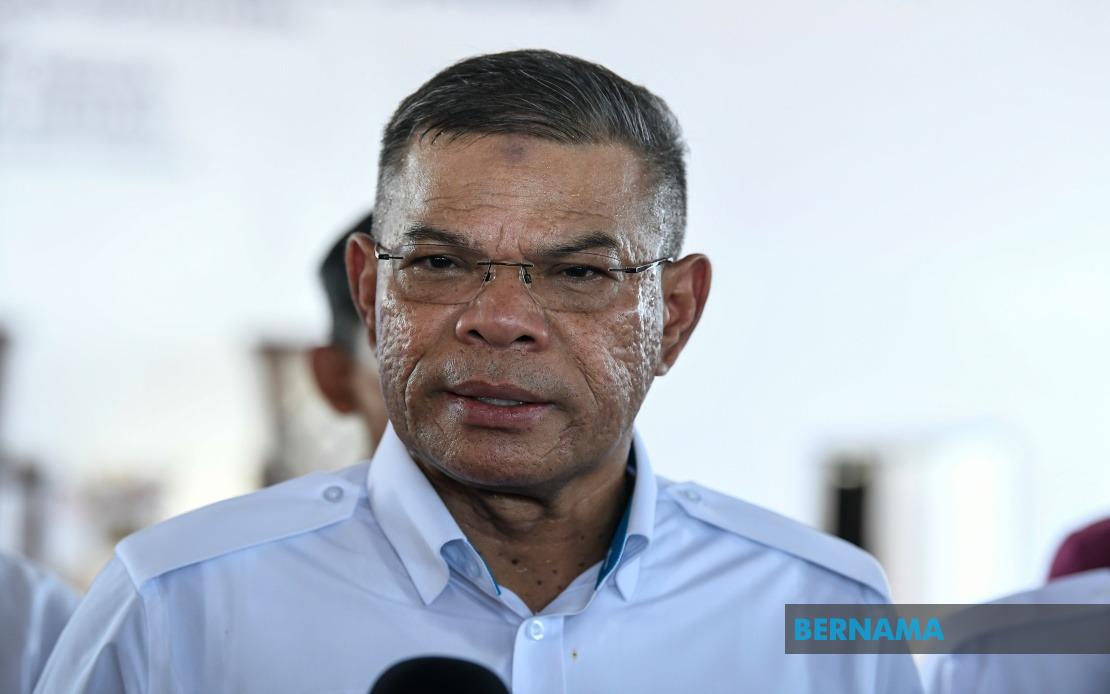
Malaysia's Home Ministry has initiated a comprehensive identification and documentation programme targeting Rohingya refugees detained across the country, marking the operational phase of a repatriation agreement reached between Kuala Lumpur and Naypyidaw. Home Minister Datuk Seri Saifuddin Nasution Ismail confirmed that the screening process, conducted under the Refugee Registration Document framework and aligned with National Security Council Directive No. 23, represents a coordinated effort involving the Royal Malaysia Police and the Immigration Department to verify the status and security credentials of individuals eligible for return.
The repatriation initiative follows recent diplomatic discussions between Prime Minister Datuk Seri Anwar Ibrahim and Myanmar's leadership, which culminated in Myanmar's acceptance of 5,000 of its nationals currently residing in Malaysia. However, the scale of the undertaking extends beyond the initial bilateral commitment, with approximately 22,000 individuals held across 19 immigration detention facilities nationwide. Among these detainees, roughly 4,000 have already been preliminarily identified as Myanmar nationals and categorized as candidates for the structured repatriation process.
The screening methodology encompasses multiple verification stages designed to establish individual identity, confirm nationality, conduct security assessments, and ultimately determine formal refugee status before the issuance of official documentation. This layered approach reflects Malaysia's adherence to international humanitarian standards while simultaneously addressing domestic security concerns. The police and Immigration Department will jointly execute these evaluations, ensuring that only individuals meeting established criteria proceed through the repatriation pipeline.
A significant operational adjustment underpinning the initiative involves consolidating the 4,000 identified Myanmar nationals into a single designated detention facility, departing from the previous dispersed arrangement across multiple sites. This centralization aims to enhance administrative efficiency and inter-agency coordination, streamlining documentation workflows, facilitating comprehensive security screening, and enabling more effective logistical planning for eventual transfers. The concentration of detainees at a single location reduces bureaucratic friction and creates an environment more conducive to systematic processing.
Saifuddin Nasution emphasized that the process has already commenced operational activities and is no longer confined to the planning and preparatory phases. This timeline distinction holds significance for both humanitarian advocates and security-conscious policymakers, suggesting that momentum has developed behind the initiative despite its inherent complexity. The ministry's public acknowledgment that operations are underway signals political commitment to addressing the substantial refugee population in Malaysian custody, a longstanding demographic challenge with implications for border management and humanitarian obligations.
The involvement of Malaysia's Foreign Ministry through Wisma Putra in subsequent diplomatic coordination with Myanmar underscores the transnational character of repatriation efforts. Once the screening and documentation phases conclude domestically, Wisma Putra will assume primary responsibility for negotiating final logistical arrangements with Myanmar authorities, including timelines for actual transfers, reception protocols, and verification procedures to confirm safe passage and reception conditions in Myanmar. This institutional division of labour separates the security and administrative functions handled by domestic agencies from the diplomatic and international relations dimensions managed by the foreign service.
For Malaysian readers, the initiative addresses a longstanding administrative and humanitarian burden. The presence of approximately 22,000 detainees in immigration facilities places significant strain on detention infrastructure, personnel resources, and government budgets. The repatriation of even a portion of this population would generate administrative relief and create detention capacity for managing new arrivals or processing other immigration cases. Moreover, the formalization of procedures and creation of documented refugee status represents an evolution from the ad-hoc management approaches that have historically characterized Malaysia's handling of displacement crises.
The programme's success will likely influence Malaysia's approach to future refugee situations across Southeast Asia, a region confronted by repeated displacement crises spanning Myanmar, Afghanistan, and other countries experiencing conflict or political instability. How effectively Malaysia executes the current Rohingya repatriation framework could establish precedents for bilateral arrangements with neighbouring countries and set standards that other regional governments reference when negotiating their own returns of nationals. The technical systems, security protocols, and diplomatic procedures developed through this exercise may become templates applicable to other populations.
Myanmar's agreement to accept returnees carries weight within the broader context of Myanmar's domestic instability following the military coup in February 2021. The country's military government faces ongoing civil conflict and security challenges, circumstances that typically complicate repatriation operations and raise questions about the safety and welfare of returning populations. Malaysia will navigate the tension between fulfilling bilateral commitments and ensuring that returnees are not exposed to harm, a balance requiring careful monitoring and potentially consultation with international humanitarian organizations.
The screening process itself embeds practical and legal complexities. Rohingya refugees, particularly those fleeing violence in Myanmar's Rakhine State, often lack comprehensive documentation of identity or citizenship. The police and Immigration Department must verify claims using limited documentation, cross-referencing systems, and potentially interviews conducted in local languages or through interpreters. This evidentiary challenge means that the identification stage could extend considerably beyond initial estimates, with some individuals potentially remaining in liminal status if identity cannot be definitively established.
The consolidation of detainees at a single facility also presents operational challenges related to detention conditions, healthcare services, and basic welfare provisions. Housing 4,000 individuals at a single site requires substantial infrastructure, creating potential bottlenecks in provision of services and potentially concentrating health risks within a confined population. The government will need to ensure that the centralized facility maintains acceptable standards of detention consistent with international humanitarian law and Malaysian domestic standards.
From a regional perspective, Malaysia's management of this repatriation process will influence how other Southeast Asian nations with significant Rohingya populations approach similar challenges. Thailand, Bangladesh, and Indonesia face comparable pressures regarding displacement populations, and Malaysia's institutional framework and diplomatic arrangements may serve as reference points for developing regional responses. Should Malaysia execute the process efficiently and transparently, it could strengthen arguments for coordinated regional approaches to managing displacement and establishing burden-sharing mechanisms among affected states.
The Home Ministry's public communication emphasizing that operations have commenced reflects an effort to demonstrate governmental capacity and political will to address a visible and persistent challenge. Whether the timeframes for completion prove realistic and whether the repatriation ultimately occurs as planned will determine the initiative's credibility and influence Malaysia's ability to manage future displacement situations. The coming months will test whether the administrative systems, inter-agency coordination, and diplomatic relationships necessary for successful repatriation are sufficiently robust to withstand the pressures and complications that typically emerge during large-scale population movements.

