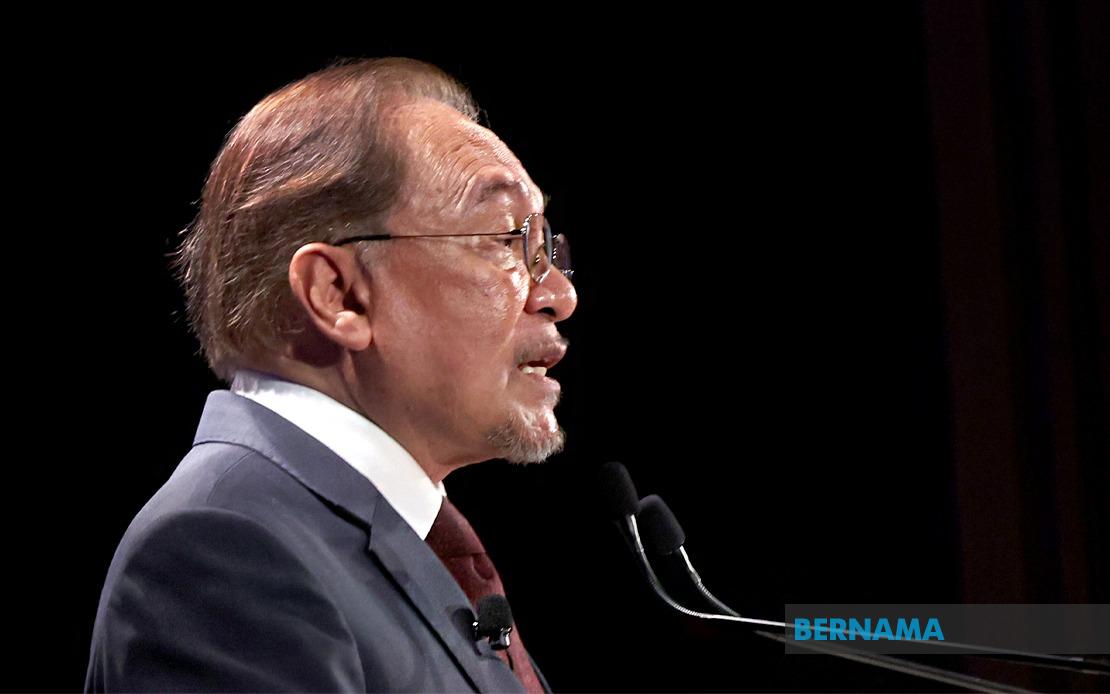
Malaysia has thrown its support behind a landmark understanding between the United States and Iran aimed at de-escalating months of heightened tensions in the Middle East, signalling the country's commitment to regional stability and diplomatic resolution. In remarks delivered at the 39th Asia-Pacific Roundtable in Kuala Lumpur on July 2, Prime Minister Datuk Seri Anwar Ibrahim acknowledged the significance of the accord while extending recognition to Gulf nations, Türkiye, Pakistan and other intermediaries whose efforts proved instrumental in brokering the memorandum of understanding.
Yet despite welcoming the development, Anwar struck a cautionary note about the fragile nature of the achievement, emphasising that the path to sustainable peace remains precarious and susceptible to disruption. His measured assessment reflects the complex geopolitical landscape of the Middle East, where historical animosities and competing strategic interests have repeatedly undermined previous attempts at reconciliation. The Prime Minister's comments underscore Malaysia's nuanced diplomatic position, balancing optimism about the breakthrough with realistic acknowledgment of the obstacles ahead.
The Malaysian leader identified two immediate priorities for consolidating the understanding. First, all parties must demonstrate unwavering commitment to the terms of the ceasefire agreement, with zero tolerance for violations that could unravel the progress achieved. Second, and equally critical, reopening the Strait of Hormuz to unrestricted international maritime commerce must become an urgent operational objective. Prior to the escalation of hostilities, this vital waterway facilitated approximately one-fifth of global oil supplies, making its restoration to normal functioning essential for stabilising energy markets and international trade flows.
Anwar drew particular attention to the economic ripple effects of the prolonged tensions, which have reverberated across the world economy. Elevated food and energy prices persist as nations scramble to diversify supply sources and build strategic reserves, reflecting the lingering uncertainty even as diplomatic progress materialises. More fundamentally, he highlighted a troubling opportunity cost: the substantial financial resources mobilised to secure critical supplies represent capital that could otherwise have been directed toward social programmes, infrastructure development and economic advancement in developing nations.
The Prime Minister's emphasis on the human dimensions of geopolitical conflict resonates strongly with Southeast Asian audiences accustomed to witnessing how distant international crises transmit hardship across borders. When global supply chains fracture and commodity prices spike, Malaysian consumers, small businesses and working families feel the impact directly through higher living costs and reduced purchasing power. Anwar's framing of elevated prices not as abstract economic data but as tangible threats to people's livelihoods reflected Malaysia's perspective as a middle-income nation whose prosperity depends critically on stable, affordable access to global markets.
The diplomatic breakthrough reportedly stems from indirect negotiations concluded on Wednesday, with Qatar serving as a key intermediary and characterising the discussions as yielding "positive progress". The focus of these talks centred on the Strait of Hormuz, the chokepoint whose closure or disruption would have severe consequences for global energy security and economic stability. The fact that negotiators prioritised this waterway suggests recognition among all parties that reopening it represents not merely a symbolic gesture but an economically vital necessity.
For Malaysia and the broader Southeast Asian region, stabilisation of Middle Eastern tensions carries strategic significance beyond energy concerns. The Indo-Pacific increasingly intersects with Middle Eastern geopolitics through shipping lanes, investment flows, and competition for influence among major powers. Any protracted conflict in the Middle East distracts global attention and resources from regional security challenges, from managing great power competition to addressing transnational issues such as maritime piracy and terrorism. A more stable Middle East enables greater focus on Indo-Pacific affairs and allows Southeast Asian nations to pursue their own strategic priorities.
The venue for Anwar's remarks—the 39th Asia-Pacific Roundtable organised by the Institute of Strategic and International Studies (ISIS) Malaysia—provided an appropriate platform for articulating these concerns. The gathering brings together senior policymakers, strategic thinkers and analysts from across the region to discuss pressing geopolitical questions. Malaysia's positioning as a moderating voice, welcoming diplomatic progress while cautioning against premature optimism, aligns with the country's historical role as a bridge-builder and advocate for multilateralism in international affairs.
Looking forward, the success of the US-Iran understanding will depend heavily on implementation capacity and the willingness of all parties to resist actions that could undermine the accord. Both the United States and Iran have domestic political constituencies sceptical of compromise, adding another layer of vulnerability to the agreement. Regional actors with stakes in continued instability may also seek to sabotage implementation through provocative incidents designed to reignite tensions. Malaysia's public endorsement carries symbolic weight in signalling to the international community and the parties themselves that responsible nations welcome and expect adherence to the understanding.
The restoration of Strait of Hormuz shipping would yield immediate practical benefits that extend well beyond the Middle East. Normalised energy supplies would ease inflationary pressures, reduce supply chain uncertainties and allow businesses and governments globally to allocate resources toward productive activities rather than crisis management. For an energy-importing nation like Malaysia, which relies on stable oil and gas availability, such normalisation translates directly into improved macroeconomic conditions and lower energy costs for consumers and industry.
Yet Anwar's warning about fragile peace prospects deserves serious consideration. Diplomatic agreements alone rarely produce lasting stability without underlying shifts in the strategic calculations of the parties involved. Whether the US-Iran understanding reflects a fundamental reorientation of their relationship or merely a tactical pause remains to be seen. Malaysia's hope, articulated through its measured endorsement, is that this moment can catalyse broader regional dialogue and cooperation that transcends the specific grievances that triggered the recent escalation.

