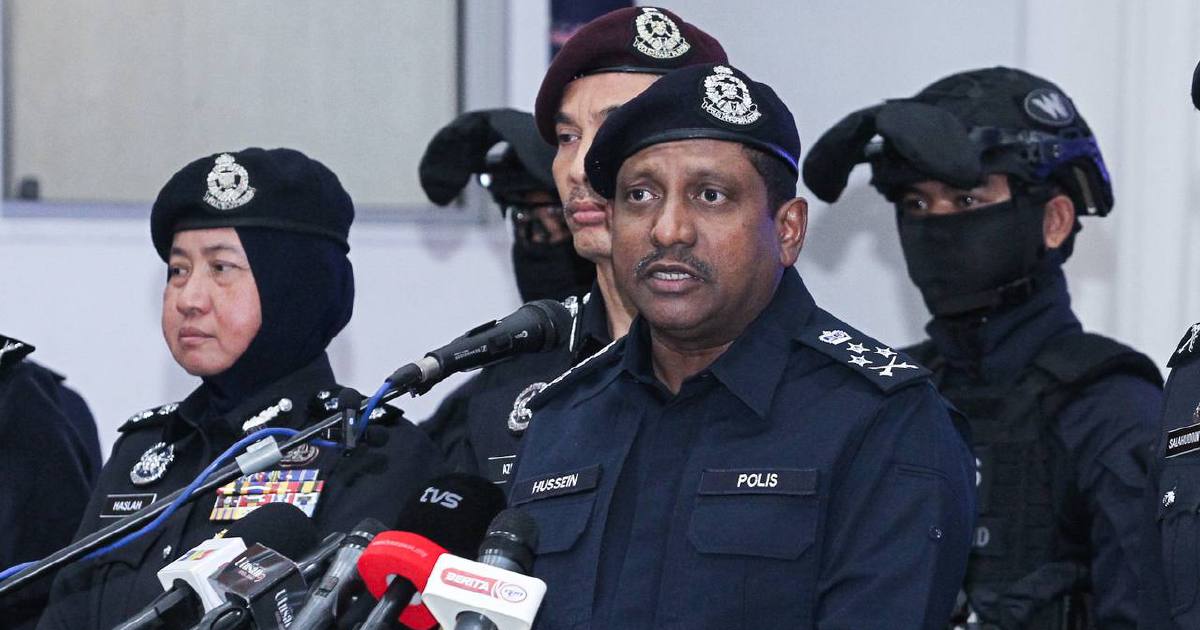
Police headquarters at Bukit Aman has signalled its intention to establish a comprehensive working relationship with Indonesian law enforcement agencies to investigate the case of a Malaysian aviation pilot detained in Indonesia on suspicion of drug trafficking activities. The development signals a deepening commitment by both nations to combat illicit drug smuggling operations that exploit international air routes and cross-border vulnerabilities, an increasingly pressing concern in Southeast Asia's aviation sector.
The arrest of the Malaysian pilot represents a significant enforcement action against transnational drug trafficking networks that have become increasingly sophisticated in their use of commercial aviation personnel. Such cases underscore the vulnerability of air transportation systems to exploitation by organised criminal syndicates seeking to move contraband across the region's porous borders. Malaysia and Indonesia, as neighbouring Southeast Asian nations with shared maritime and aerial boundaries, have long grappled with coordinating effective responses to cross-border criminal activity.
The decision to establish closer investigative cooperation reflects lessons learned from previous transnational cases that highlighted the necessity of seamless information-sharing protocols between national law enforcement bodies. Bukit Aman's commitment to work with Indonesian police counterparts indicates recognition that individual countries cannot effectively combat sophisticated smuggling operations working in isolation. The collaborative framework allows both nations to leverage their respective investigative resources, witness access, and forensic capabilities to build comprehensive cases against individuals involved in drug trafficking.
Indonesia maintains some of the region's strictest drug penalties, with convictions for trafficking carrying potential death sentences in the most severe cases. Malaysia's own drug laws similarly impose severe punishments, including capital punishment for manufacturing or trafficking large quantities of controlled substances. The intersection of these two jurisdictions within a single case creates complex legal and diplomatic dimensions that require careful coordination to ensure evidence gathered in one nation can be effectively utilised in parallel proceedings elsewhere.
This investigation occurs within a broader regional context of intensifying efforts to dismantle drug smuggling networks that exploit aviation personnel. Airlines across Southeast Asia have become increasingly concerned about employees being coerced or recruited into trafficking operations, particularly given the access aviation workers possess to sterile areas, cargo systems, and international destinations. Training programmes and security protocols have been upgraded across carriers operating in the region to identify and report suspicious behaviour among staff members.
The role of aviation professionals in trafficking networks has evolved considerably as law enforcement has tightened controls at international borders and ports. Criminals have recognised that pilots, flight attendants, ground crew, and maintenance personnel can move through airports with minimal scrutiny and access areas typically off-limits to general travellers. Malaysia's status as a major regional aviation hub, combined with its position within Southeast Asia's air corridors, makes its airspace and airports particularly vulnerable to such exploitation.
Coordination between Bukit Aman and Indonesian counterparts will likely involve standardised procedures for evidence collection, witness interviews conducted in both jurisdictions, and real-time information exchange regarding the investigation's progress. Interpol channels may also be utilised to formalise the cooperative arrangement and ensure compatibility with international law enforcement standards. Such coordination becomes especially critical when cases involve multiple nationalities or require investigative activities across international boundaries.
The pilot's arrest highlights the ongoing struggle of regional authorities to address supply-side drug trafficking even as attention-catching seizures and high-profile arrests capture public attention. Law enforcement experts note that while individual prosecutions serve important deterrent functions, they represent merely one element within broader counter-narcotics strategies that must simultaneously address trafficking routes, money laundering operations, and the demand factors driving the illicit drug economy.
For Malaysian aviation stakeholders, the case reinforces awareness of institutional vulnerabilities within the sector. Airlines have reinforced background check procedures and implemented closer monitoring of staff travel patterns and financial transactions that might indicate involvement in trafficking networks. Industry associations have also worked with authorities to establish reporting mechanisms allowing employees to confidentially flag concerns about suspicious activities among colleagues without fear of workplace retaliation.
The investigation also carries implications for Malaysian-Indonesian bilateral relations, as coordinated law enforcement actions strengthen trust and operational effectiveness between neighbouring governments. Such cooperation extends beyond individual cases to establish institutional relationships and procedural frameworks that facilitate handling of future transnational investigations. Regular liaison meetings, formal information-sharing agreements, and joint training initiatives have become hallmarks of modern regional law enforcement cooperation.
Southeast Asia's governments increasingly recognise that transnational crime requires transnational responses, a principle reflected in various multilateral agreements and regional organisations focused on law enforcement coordination. The Malaysian-Indonesian partnership in this investigation exemplifies practical implementation of these cooperative frameworks, moving beyond diplomatic rhetoric to establish working relationships that generate tangible enforcement outcomes.
As the investigation progresses, outcomes could establish important precedents regarding how Malaysia and Indonesia handle cases involving dual jurisdiction and shared investigative responsibilities. Successful cooperation in this instance may encourage development of more formalised protocols for handling similar cases in future, potentially creating templates applicable to other Southeast Asian partnerships. The case thus carries significance extending well beyond the individual pilot's circumstances to broader regional counter-narcotics strategy.

