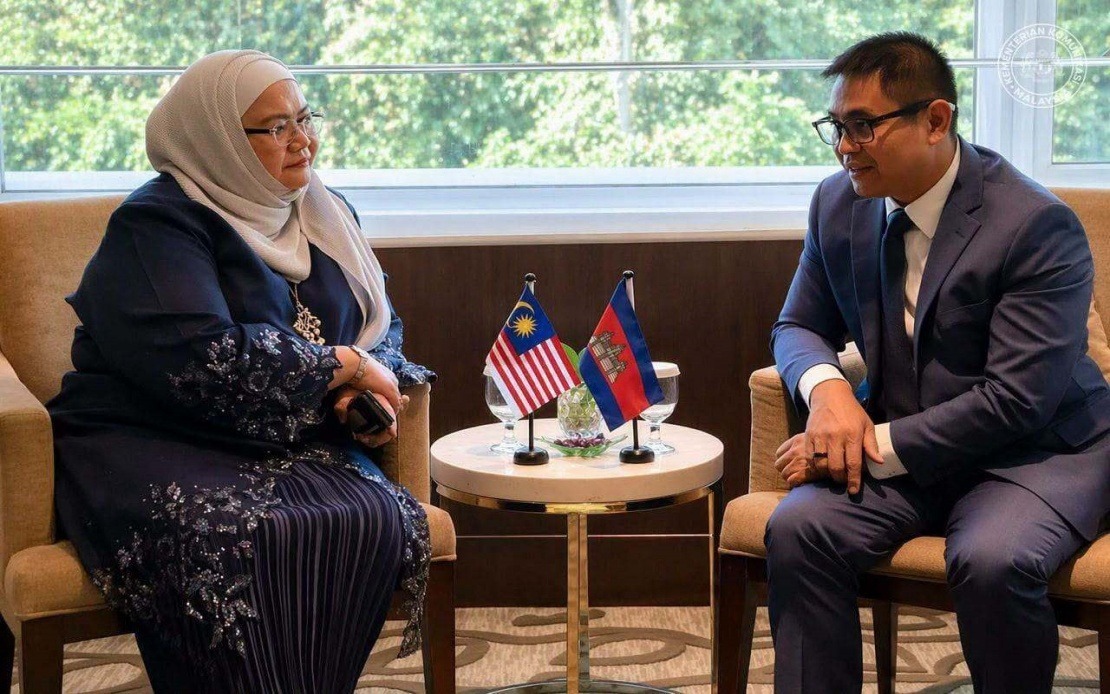
Malaysia and Cambodia have moved forward with concrete plans to implement a landmark Memorandum of Understanding on Information and Media Development Cooperation, marking a significant step in deepening bilateral ties within the information and media sectors. The bilateral engagement took place during the 23rd ASEAN Senior Officials Responsible for Information (SOMRI) Meeting held in Bandar Seri Begawan, Brunei, with both countries affirming their commitment to realising the strategic partnership outlined in the agreement signed just weeks earlier.
The Malaysian delegation, led by Deputy Secretary-General (Strategic Communications and Creative Industry) Datuk Bahria Mohd Tamil, engaged with Cambodia's Secretary of State of the Ministry of Information Prak Thaveak Amida to chart a pathway for cooperation that extends across multiple dimensions of the media landscape. This leadership-level engagement underscores the importance both governments place on strengthening institutional relationships in an increasingly complex and digitised information environment.
The original Memorandum of Understanding was signed on June 20 by Communications Minister Datuk Fahmi Fadzil and Prak Thaveak Amida on behalf of Cambodian Information Minister Neth Pheaktra, during the National Journalists' Day (HAWANA) 2026 celebration in Penang. This ceremonial foundation provided the political backing necessary for the implementation discussions now underway, positioning the agreement as part of broader efforts to advance professional standards and cooperation across Southeast Asia's media ecosystem.
During their Brunei meeting, both delegations exchanged substantive views on several priority areas that will shape the bilateral relationship. Information exchange mechanisms rank prominently, as both nations recognise the value of sharing best practices and institutional knowledge to improve media operations. Media development initiatives constitute another pillar, with both countries interested in capacity building and professional advancement within their respective media industries.
Digital transformation represents perhaps the most forward-looking dimension of the cooperation framework. As Malaysia and Cambodia navigate rapid technological change affecting how information is produced, distributed, and consumed, collaborative approaches to modernising media infrastructure and practices become increasingly vital. This focus reflects regional trends as Southeast Asian nations grapple with ensuring their media sectors remain competitive and relevant in an era of digital disruption.
A particularly significant aspect of the bilateral engagement centres on information integrity and combating misinformation. Both countries face mounting challenges in addressing false and misleading content that undermines public trust and social cohesion. By coordinating efforts and sharing strategies for maintaining information authenticity, Malaysia and Cambodia position themselves to address these shared vulnerabilities more effectively than either could independently. This dimension gains particular weight given the region's susceptibility to cross-border disinformation campaigns.
The Malaysian Ministry of Communications emphasised that the nation remains dedicated to deepening its partnership with Cambodia through strategic initiatives that will benefit both the information and media sectors while strengthening broader friendly relations. This framing reflects an understanding that institutional cooperation in communications infrastructure and media development serves as a foundation for more comprehensive bilateral engagement across economic, cultural, and political dimensions.
The SOMRI meeting platform itself warrants attention as the venue for these discussions. As an ASEAN-wide forum bringing together senior information officials, it provides valuable multilateral context for bilateral engagements. The presence of high-level officials from across the region creates opportunities for wider coordination on media and information issues affecting Southeast Asia, while individual country pairings can address specific bilateral concerns and opportunities.
For Malaysia, the Cambodia partnership represents an opportunity to position itself as a regional leader in media development and information management. Malaysian expertise in various aspects of modern communications, combined with its position within ASEAN, allows it to extend influence and foster relationships that strengthen its standing within the regional community. Simultaneously, for Cambodia, the partnership provides access to Malaysian knowledge and experience in media professionalisation and digital innovation.
The implementation phase now commencing will likely involve establishing working groups, identifying specific collaborative projects, and creating mechanisms for regular dialogue between relevant ministries and agencies. Such institutional architecture typically includes technical exchanges, training programmes, and joint initiatives that gradually deepen practical cooperation beyond the formal agreements that initiate such relationships.
Looking forward, the success of this MoU will depend substantially on sustained political commitment and adequate resource allocation from both governments. Media development and information cooperation initiatives often require investment in personnel, technology, and institutional capacity. The bilateral commitment expressed in Brunei must translate into concrete action plans with defined timelines and measurable outcomes to demonstrate tangible benefits for both nations' media sectors and broader societies.

