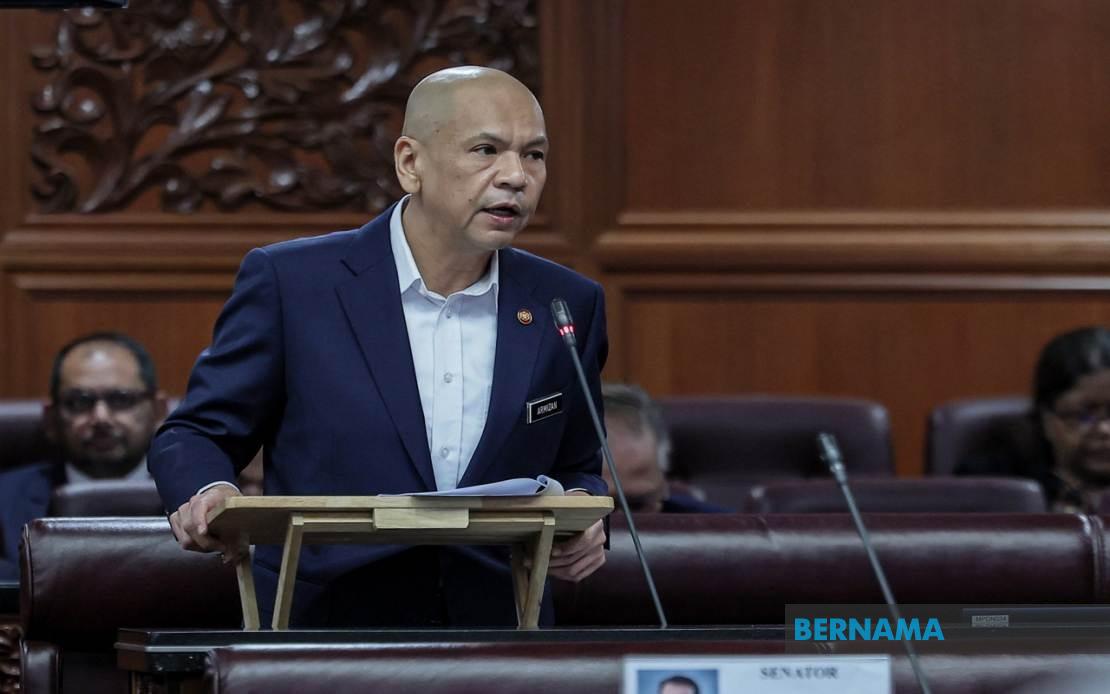
Parliament has taken its first step toward overhauling Malaysia's competition framework, with two landmark bills introduced for debate this week. Minister Datuk Armizan Mohd Ali, heading the Domestic Trade and Cost of Living Ministry, tabled the Competition (Amendment) Bill 2026 and the Competition Commission (Amendment) Bill 2026 in the Dewan Rakyat on June 23, signalling the government's determination to modernise competition law before the end of the current parliamentary session.
The Competition (Amendment) Bill represents a significant expansion of the Malaysia Competition Commission's legal authority. At its core, the legislation seeks to reinforce several critical provisions within the Competition Act 2010, particularly those governing how MyCC investigates alleged breaches and enforces compliance. These enhanced powers come at a time when regulators globally face mounting pressure to tackle anticompetitive behaviour in increasingly complex digital and cross-border markets, and Malaysia's amendments reflect this evolving enforcement landscape.
One of the most consequential changes embedded in Clause 3 would fundamentally alter the scope of competition law in Malaysia. Currently, the Competition Act 2010 applies only to commercial activities, but the proposed amendment would extend coverage to all economic activities within the nation's borders. This shift carries profound implications for sectors previously operating in regulatory grey zones, and could draw informal economy participants and non-commercial entities into the compliance framework for the first time. The change signals a move toward more comprehensive market oversight, though it will require careful implementation to avoid unintended disruptions.
Clause 7 grants MyCC unprecedented access to information gathering capabilities. The commission would gain explicit authority to demand information or documents from any individual or government entity during market review investigations. This provision acknowledges a persistent challenge regulators face: obtaining timely data from both private businesses and public agencies can be crucial to understanding whether anti-competitive conduct is occurring. By formalising these powers, the amendment removes ambiguity that might otherwise hinder investigations into suspected cartel activity, abuse of dominance, or merger effects.
Enforcing competition law often hinges on preserving evidence integrity, and Clause 13 addresses a gap in current protections. The amendment introduces criminal liability for anyone who deliberately destroys, conceals, defaces, or alters data or materials with intent to mislead MyCC or obstruct its work. This provision mirrors similar provisions in international competition regimes and recognises that unscrupulous actors may attempt to eliminate incriminating documents once regulatory scrutiny begins. The clause carries particular weight in digital investigations where data can be rapidly deleted or moved across jurisdictions.
The Competition Commission (Amendment) Bill contains its own suite of reforms focused on institutional governance. Clause 8 explicitly clarifies MyCC's mandate to advise government ministries, public authorities, and regulatory bodies on competition matters, including policy recommendations and programme design. This formalisation elevates the commission's role beyond enforcement into a broader policy advisory function, potentially allowing it to shape how competition considerations are integrated into government decision-making across sectors from telecommunications to energy.
Clause 10 introduces internal flexibility by permitting MyCC to delegate functions to its chairman, committees, officers, and staff. This might seem procedural, but delegation mechanisms are essential for efficient large-scale investigations and allow the commission to deploy specialists where needed. Appointment protocols within the commission also receive attention; Subclause 12(a) proposes that officer appointments be made by the commission itself upon CEO recommendation, rather than through external appointment processes. This restructuring aims to strengthen institutional autonomy and reduce perceptions of political interference in hiring decisions, though it will be watched carefully by those concerned about regulatory independence.
Amendments to the Competition Appeal Tribunal framework represent another critical dimension of the reform. By improving provisions governing this quasi-judicial body, the bills seek to ensure that businesses challenging MyCC decisions receive fair, efficient hearings. The tribunal serves as an essential check on regulatory overreach, and strengthening its procedures enhances the legitimacy of the entire competition regime in the eyes of Malaysian businesses and international investors.
The timing of these amendments reflects Malaysia's broader economic agenda. As the nation seeks to position itself as a regional hub for investment and innovation, robust competition enforcement signals that the market operates on level-playing-field principles. Foreign investors and domestic enterprises alike gain confidence when regulators possess clear authority and capability to address anti-competitive behaviour. Additionally, the reforms acknowledge MyCC's experience since its establishment; nearly two decades of enforcing the Competition Act 2010 has likely revealed gaps and inefficiencies that these amendments address.
Second reading of both bills is scheduled for the current parliamentary session, setting the stage for substantive debate among lawmakers. This stage typically surfaces industry concerns, questions about implementation, and suggestions for refinement. Business groups, consumer advocates, and sector regulators will likely submit views during consultation periods, potentially shaping final language. The legislative path ahead appears expedited, suggesting government confidence in the bills' broad support.
For Malaysian businesses, particularly those operating across multiple economic sectors, these amendments carry immediate practical implications. Compliance programmes may need expansion to reflect the broadened scope of competition law, and document retention policies should reflect heightened investigative powers. Multinational firms with regional operations will watch closely, as strengthened MyCC capacity could increase scrutiny of regional conduct affecting Malaysian markets. Consumer advocacy groups may welcome the expanded enforcement toolkit, viewing it as protection against monopolistic pricing and reduced choice. The amendments ultimately represent a maturation of Malaysia's competition regime, reflecting global best practices while addressing local enforcement realities.

