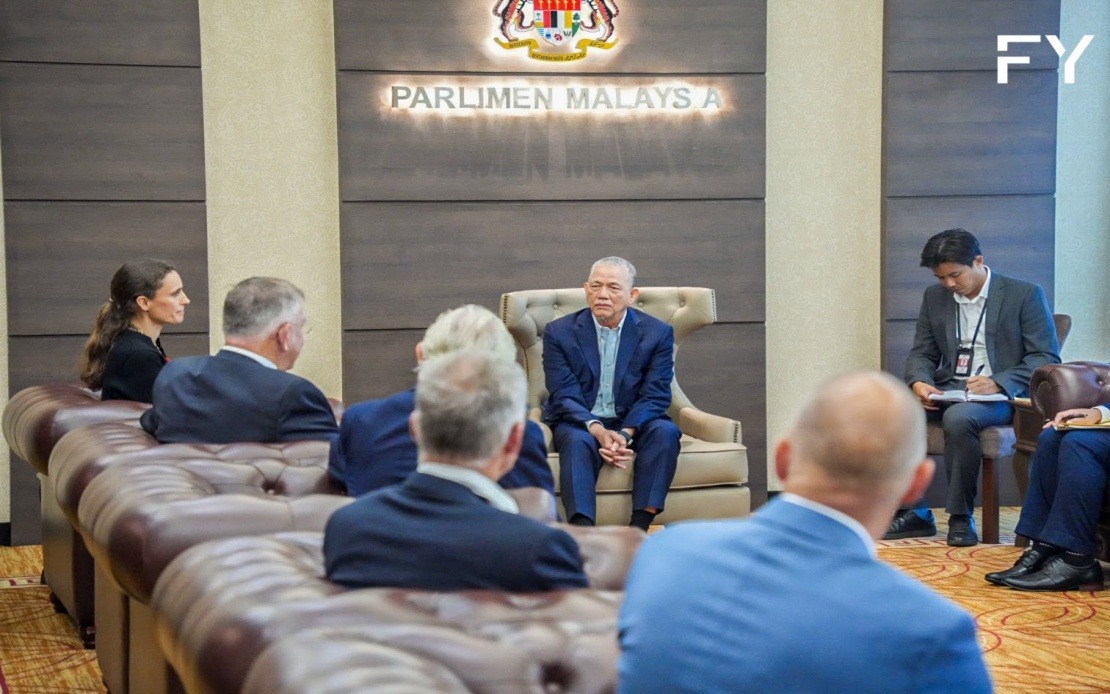
Malaysia is making a concerted push to attract additional investment from German small and medium enterprises, with particular emphasis on sustainable technology sectors that align with the nation's environmental and economic development priorities. Deputy Prime Minister Datuk Seri Fadillah Yusof conveyed this message during a parliamentary meeting with German Ambassador to Malaysia Silke Riecken-Daerr and representatives from the German SME Business Association, signalling the government's strategic interest in deepening bilateral economic cooperation.
The focus on green technology, renewable energy systems, and water management infrastructure reflects Malaysia's broader commitment to sustainable development goals. These sectors represent growth opportunities where German expertise and innovation could provide significant value to the Malaysian market, which faces increasing pressure to decarbonise its economy whilst maintaining competitive industrial output. The emphasis on these specific fields demonstrates deliberate alignment between Malaysia's climate and sustainability agenda and the investment priorities being discussed with German business leaders.
Germany remains one of Malaysia's most important international trading partners, a relationship built over decades of industrial and commercial interaction. The presence of more than 800 German companies currently operating across various Malaysian industries underscores the depth and maturity of economic ties between the two nations. This existing commercial infrastructure provides a foundation upon which new investment in emerging sectors can be built, with established German firms potentially serving as anchors for new market entrants and smaller enterprises exploring expansion into Southeast Asia.
The mechanical engineering and manufacturing technology sectors have traditionally formed the backbone of German-Malaysian trade relations. These industries have demonstrated resilience and continued relevance to Malaysia's economic structure, even as the country pursues diversification into higher-technology and knowledge-intensive activities. The potential to channel German SME expertise into green technology represents an evolution of this established relationship, leveraging traditional German strengths in engineering and precision manufacturing towards sustainable innovation.
Beyond immediate investment considerations, the discussions highlighted significant potential for cooperation in technical and vocational education and training. Germany's world-renowned TVET system has consistently produced workforces with exceptional skills and practical capabilities, contributing substantially to the country's manufacturing competitiveness and industrial resilience. For Malaysia, which faces ongoing challenges in workforce skill development and talent retention, the prospect of adopting or adapting German vocational training methodologies could prove transformative.
The strategic importance of human capital development cannot be overstated in Malaysia's context. As the nation seeks to transition towards higher-value manufacturing and technology-driven industries, the availability of workers with advanced technical skills becomes increasingly critical. German TVET expertise could help bridge the gap between academic education and industry requirements, enabling Malaysian workers to acquire practical competencies that align with employers' needs in sophisticated manufacturing and emerging green technology sectors.
The meeting also reflected broader geopolitical and economic positioning, as Malaysia continues to diversify its international partnerships in response to shifting global dynamics. Strengthening engagement with established developed economies like Germany provides counterbalance and diversification to Malaysia's economic relationships, reducing dependency on any single trading partner whilst opening multiple pathways for technology transfer and capital inflow.
Fadillah's expressed confidence in strengthening bilateral relations carries particular weight given his position as Deputy Prime Minister, signalling that German investment in these sectors enjoys high-level political support within the Malaysian government. This governmental commitment provides assurance to potential investors regarding policy stability and the enabling environment for long-term business operations in green technology and related fields.
The timing of this diplomatic engagement is significant, occurring as global capital increasingly flows towards sustainable technology solutions and climate-aligned investments. German SMEs operating in green technology sectors find themselves well-positioned to benefit from this global trend, and Malaysia's explicit welcome presents both market opportunity and the potential for profitable operations serving regional demand for renewable energy solutions and water management technologies.
For Malaysian policymakers, attracting quality German SME investment serves multiple strategic objectives simultaneously. Each new German firm bringing capital, technology, and expertise into Malaysia's green sectors strengthens the nation's transition towards more sustainable industrial practices. Simultaneously, the technology transfer and skills development that accompany such investments contribute to building Malaysia's domestic capabilities in high-value, future-oriented industries.
The emphasis on mutual benefit and strategic cooperation suggests both nations recognize that sustainable economic partnerships require alignment of interests beyond simple capital investment. By positioning cooperation around shared sustainability objectives and workforce development, Malaysia and Germany are building foundations for relationships that extend beyond transactional commercial interests towards longer-term structural economic integration.
For Malaysian businesses and entrepreneurs, the anticipated influx of German SME investment creates opportunities for partnership, technology collaboration, and supply chain integration. The presence of additional German firms in green technology sectors could stimulate competitive innovation across the Malaysian industrial ecosystem, raising overall productivity and competitiveness whilst accelerating the nation's green transition.

