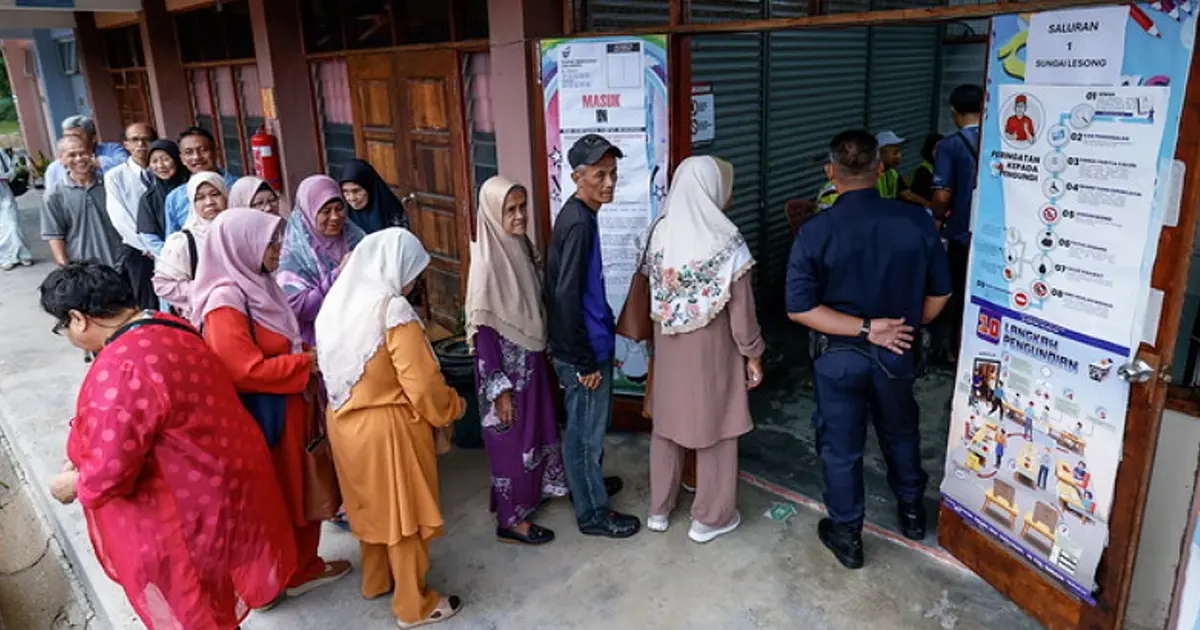
Continuous emphasis on the controversial 3R issues risks leaving Malay voters emotionally drained, according to Awang Azman Pawi, an analyst from Universiti Malaya, raising concerns about how political parties are managing public discourse in Malaysia. The prolonged focus on these contentious matters, he suggests, could create a counterproductive dynamic within the electorate, with voters becoming increasingly fatigued by the relentless cycle of debate and political posturing.
Awang Azman's observation reflects a broader anxiety among observers of Malaysian politics about the sustainability of campaign strategies centred on divisive cultural and identity-based narratives. When political parties prioritise such emotionally charged topics, he argues, they risk depleting the psychological and civic energy that voters might otherwise direct toward evaluating substantive policy performance and economic management. This fatigue phenomenon is particularly significant in a multiethnic democracy where maintaining social cohesion depends partly on voters' willingness to engage constructively with competing political visions.
The timing of such warnings is significant for Malaysia's political landscape. As the nation grapples with persistent economic pressures affecting households across all communities, the relentless recycling of identity-based grievances and controversies may inadvertently marginalise discussions about tangible improvements in living standards. Voters increasingly concerned about their ability to afford food, transport, utilities, and housing may find themselves frustrated when campaign discourse fails to address their immediate material circumstances.
According to Awang Azman, political parties will ultimately be evaluated not on their ability to stir emotions around the 3R issues, but rather on their demonstrable track record in governing effectively and tackling concrete problems facing ordinary Malaysians. This assessment suggests that electoral success increasingly depends on parties' capacity to translate rhetorical commitment into practical solutions that improve citizens' daily lives. The Malaysian electorate, despite the intensity of identity politics in recent years, appears to retain a pragmatic streak that rewards substance over symbolism.
The cost of living crisis represents perhaps the most pressing example of this disconnect between political messaging and voter priorities. Households across the country have experienced sustained increases in prices for essential goods and services, compressing disposable incomes and creating genuine hardship in both urban and rural communities. When voters encounter political campaigns dominated by 3R discourse rather than credible proposals for addressing inflation and economic growth, the mismatch between campaign messaging and electoral priorities becomes increasingly apparent.
Awang Azman's emphasis on issue resolution reflects a growing recognition among political analysts that Malaysian voters are becoming more discerning consumers of political narratives. The phenomenon of emotional fatigue suggests that repetitive invocation of the same controversies and grievances yields diminishing returns in capturing voter attention and securing electoral support. Parties that rely exclusively on these tactics may find themselves unable to mobilise the enthusiastic support necessary for electoral victory, particularly among younger voters who prioritise concrete policy outcomes.
The analyst's framing also highlights the opportunity cost incurred when political discourse becomes dominated by any single set of issues, regardless of their importance to particular constituencies. While the 3R matters certainly command attention among segments of the Malay-Muslim population, their continued centralisation in political messaging means that other dimensions of policy—including economic management, public health, education quality, and infrastructure development—receive proportionally less attention from both parties and voters.
For political strategists seeking to build winning coalitions, Awang Azman's warning suggests the necessity of calibrating message strategy to maintain voter engagement without inducing the psychological saturation that accompanies unrelenting focus on emotionally charged topics. Successful campaigns, his analysis implies, require balance between addressing core identity concerns and demonstrating genuine competence in managing the practical affairs of government that affect voter welfare across all communities.
The broader implication of this analysis extends to Malaysia's political development and its capacity to sustain democratic engagement over the long term. If substantial portions of the electorate experience emotional fatigue from campaign strategies reliant on persistent identity-based controversy, democratic participation itself may suffer as voters withdraw from active engagement with politics altogether. This trajectory would represent a net loss for Malaysian democracy, as it would undermine the informed, sustained civic participation necessary for healthy representative government.
Looking forward, the challenge for Malaysian political parties appears to centre on achieving equilibrium between addressing legitimate concerns of their core constituencies and building broader appeal through competent governance and credible economic policy. Parties that successfully navigate this balance, translating voter concerns about identity and social cohesion into substantive policy proposals while simultaneously demonstrating effectiveness in addressing inflation and economic management, may find themselves better positioned to build durable electoral coalitions. Conversely, those that remain wedded exclusively to either identity politics or economic technocracy risk failing to mobilise the comprehensive support necessary for sustained political success in Malaysia's increasingly complex electoral environment.

