Malaysia Airports Holdings Bhd (MAHB) has pledged to deepen cooperation with law enforcement agencies to fortify Malaysia's border security measures, responding to heightened concerns following the arrest of a 39-year-old Malaysian pilot in Indonesia on July 29 for allegedly attempting to transport drugs into the country. The airport operator's renewed commitment comes as authorities worldwide intensify scrutiny on aviation security vulnerabilities and the involvement of aviation personnel in transnational trafficking networks.
The detained pilot was apprehended upon arrival with approximately 70,114 ecstasy pills and four grammes of methamphetamine, items valued at an estimated Rp60 billion by Indonesian authorities. According to investigators in Jakarta, preliminary findings suggest the suspect may have engaged in repeated narcotics smuggling operations and potentially maintains connections with an international drug trafficking organisation. These revelations underscore the sophisticated nature of smuggling operations that leverage the mobility and access privileges of aviation workers to move contraband across borders.
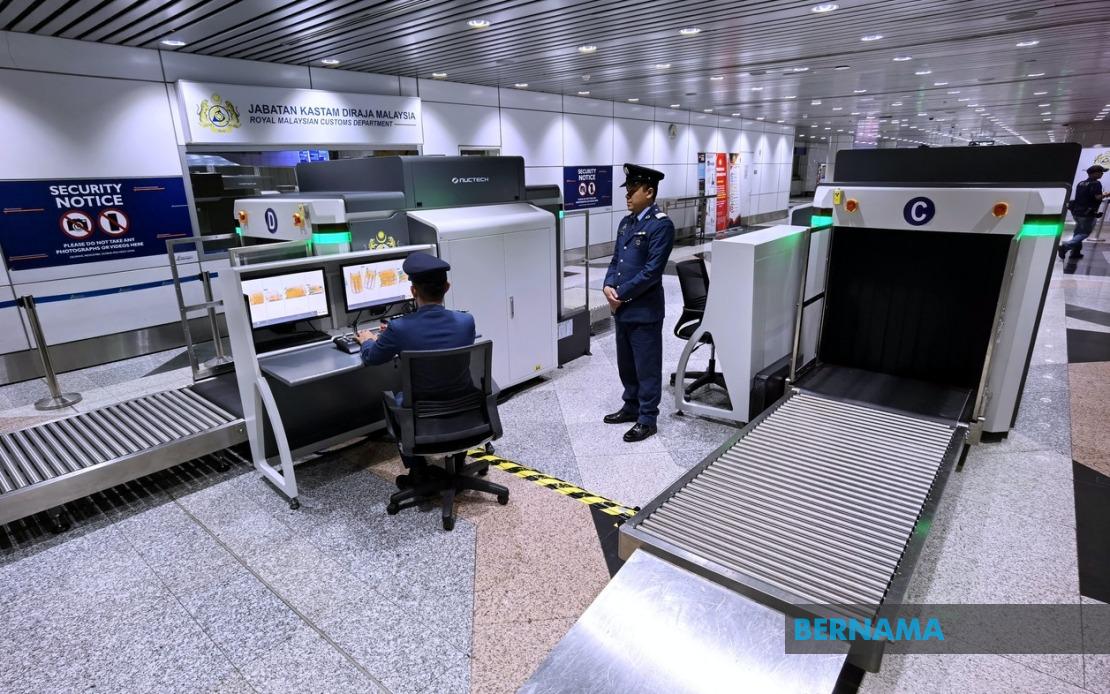
MAHB's Aviation Security (AVSEC) division operates as the frontline defence mechanism against threats to civil aviation safety, deploying rigorous screening protocols and cutting-edge detection technologies calibrated to identify explosives, firearms, and items constituting direct aviation hazards. The operator emphasises that its screening infrastructure—particularly the baggage handling systems at Kuala Lumpur International Airport (KLIA)—prioritises these aviation-specific safety concerns, with all checked baggage from passengers and crew members subjected to mandatory security examinations before departure.
However, MAHB has sought to clarify the demarcation of responsibilities within Malaysia's multi-agency enforcement ecosystem. The airport operator maintains that while its AVSEC protocols address threats directly compromising aviation safety, the identification, investigation and prosecution of drug trafficking and contraband violations remain the purview of specialist law enforcement authorities. The Royal Malaysia Police (PDRM) and Royal Malaysia Customs Department bear primary responsibility for drug-related offences and smuggling investigations, whilst the Department of Wildlife and National Parks handles wildlife trafficking matters.
The operational structure reflects a pragmatic division of labour whereby MAHB supports enforcement agencies through sustained intelligence sharing and cooperative procedures rather than functioning as a primary investigative body. Between January and July of this year, KLIA's AVSEC personnel collaborated with PDRM counterparts to intercept more than thirty smuggling attempts involving illegal substances transiting through the airport. This record suggests existing mechanisms possess meaningful capacity to detect and disrupt trafficking operations, yet the pilot case reveals the ongoing sophistication of smuggling networks in circumventing detection systems.
The involvement of aviation personnel in drug trafficking presents particular regulatory and operational concerns that have extended scrutiny beyond airport boundaries. The Civil Aviation Authority of Malaysia (CAAM) has initiated a formal investigation to determine whether aviation security procedures were rigorously observed throughout the incident. Under Datuk Capt Norazman Mahmud's direction, CAAM will examine compliance across multiple dimensions, including the airline's adherence to security requirements and MAHB's screening efficacy, establishing whether procedural lapses facilitated the apparent smuggling attempt.
For Malaysia's aviation sector, the pilot case serves as a troubling reminder that security vulnerabilities persist despite technological investments and cooperative frameworks. The transportation industry's essential reliance on personnel with elevated access privileges creates inherent risks when individuals become compromised by transnational criminal organisations. Indonesia's preliminary assessment that the pilot maintained links to an international drug trafficking network suggests Malaysian authorities may encounter connected investigations requiring cross-border coordination and intelligence exchange.
The incident carries implications extending beyond immediate enforcement concerns. Rising involvement of aviation professionals in trafficking operations threatens the reputation and operational integrity of airlines and airports throughout Southeast Asia, potentially affecting passenger confidence and generating regulatory pressures. Malaysian carriers and MAHB face reputational consequences when their personnel or facilities become associated with major smuggling cases, necessitating demonstrable improvements in vetting procedures and security protocols to reassure stakeholders and regulatory bodies.
MAHB's public reaffirmation of commitment represents both accountability messaging and operational continuity assurance. By explicitly articulating support for law enforcement partners and emphasising existing interagency cooperation achievements, the airport operator seeks to project competence and prevent erosion of confidence in KLIA's security architecture. The highlighted statistic of thirty interceptions between January and July underscores that existing detection systems function effectively when properly resourced and coordinated with police and customs personnel.
Moving forward, the pilot case likely will catalyse enhanced vetting protocols for aviation personnel accessing restricted areas and handling security-sensitive operations. Airlines operating from Malaysian airports may anticipate intensified background screening requirements and periodic security re-certification obligations aimed at identifying individuals susceptible to recruitment by trafficking networks. Such measures, while incrementally burdening industry operations, reflect global best practices adopted following similar incidents at international airports.
The broader context encompasses Southeast Asia's role as both a transit corridor and destination market for synthetic drugs originating from clandestine laboratories throughout the region. Malaysian airports and seaports occupy strategically critical positions within trafficking routes extending from production facilities in the Golden Triangle toward consumption markets in Australia, East Asia and beyond. Disrupting these pathways requires sustained commitment from MAHB, enforcement agencies, and international partners operating with shared intelligence and harmonised protocols.
As Indonesian investigators pursue leads identifying additional network members and intended drug recipients, Malaysian authorities will likely conduct parallel inquiries into whether trafficking operations maintained Malaysian operational bases or distribution channels. The CAAM investigation simultaneously creates incentive structures for MAHB and participating airlines to demonstrably strengthen security measures, ensuring that independent regulatory scrutiny confirms rather than challenges the adequacy of current safeguarding arrangements at Malaysia's premier aviation facility.

