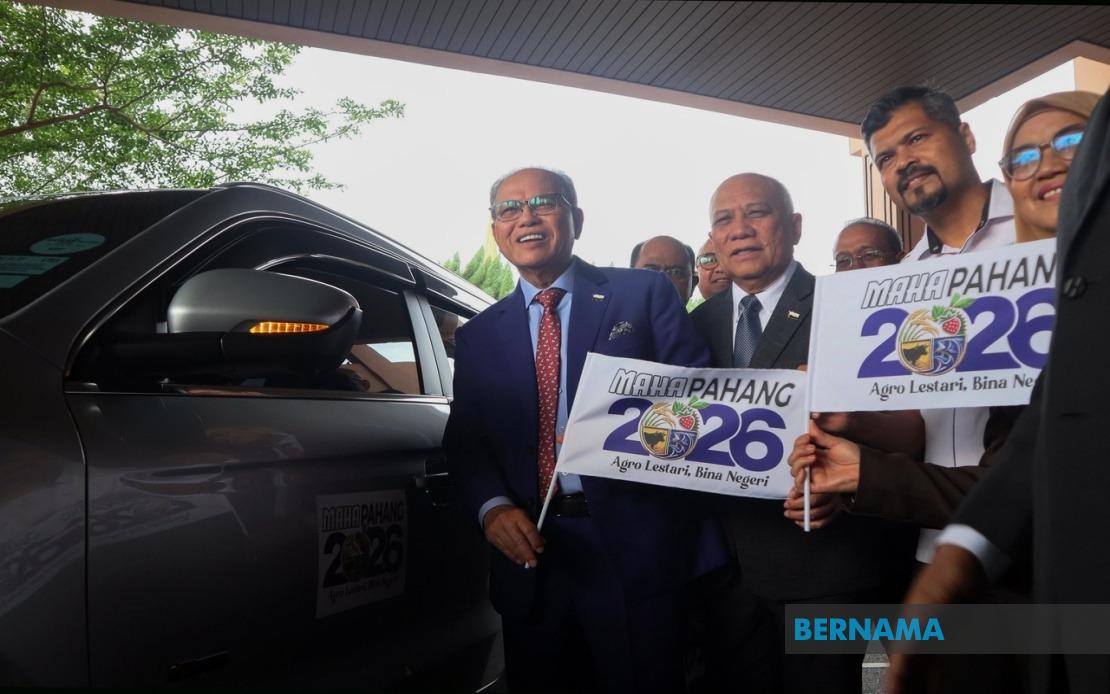
The Pahang state government is banking on a strong showing for MAHA Pahang 2026, projecting visitor numbers exceeding 100,000 and retail sales reaching RM1.3 million as it seeks to boost agricultural commerce and consumer engagement across the state. Menteri Besar Datuk Seri Wan Rosdy Wan Ismail unveiled the ambitious targets during a ceremonial flag-off event, signalling the administration's commitment to leveraging the Malaysian Agricultural, Horticultural and Agrotourism exhibition as a vehicle for economic activity and sectoral promotion.
Scheduled to run from July 30 to August 2 at Dataran Raub, the four-day event represents a significant platform for the state's farming community and agribusiness entrepreneurs. The venue selection in Raub, located in the Bera district, positions the exhibition within an agricultural region with established farming traditions, potentially drawing participants and visitors from surrounding areas. The participation of 100 entrepreneurs across various agricultural and food-related ventures underscores the scale of commercial activity the organisers anticipate, suggesting a diverse range of products and services on display.
To drive attendance and generate consumer enthusiasm, the Pahang state government has structured an incentive programme that reflects the value placed on visitor engagement. The centrepiece of the lucky draw offering is a Wagyu cow, a premium livestock prize that appeals to serious farmers and agricultural investors, alongside a Perodua Bezza vehicle aimed at broadening the appeal to general consumers. This tiered prize structure seeks to attract both industry professionals and casual visitors, expanding the event's reach beyond dedicated agricultural practitioners.
The formal launch involved a convoy of 20 vehicles representing various state government departments and agencies, a coordinated mobilisation that underscores the multi-stakeholder nature of the event's preparation and promotion. This administrative engagement signals that MAHA Pahang 2026 enjoys institutional support across government structures, facilitating coordination of logistics, security, promotional activities, and visitor management. The public display of this coordination also serves to reinforce government messaging around agricultural development as a priority sector.
Datuk Seri Mohamad Sabu, the Minister of Agriculture and Food Security at the federal level, received specific commendation from the Menteri Besar for his ministry's role in supporting the exhibition. This acknowledgement reflects the interplay between state and federal agricultural initiatives, demonstrating how MAHA Pahang 2026 fits within the broader national agricultural agenda. Federal-state coordination on such initiatives is crucial for accessing resources, ensuring alignment with national food security objectives, and leveraging expertise from federal agricultural agencies.
Beyond the commercial dimensions, the exhibition is positioned as an educational platform where visitors can access substantive information about agricultural development and innovation. The event's curriculum, so to speak, includes exposure to new crop varieties and contemporary farming practices, suggesting that organisers view MAHA Pahang 2026 as serving both market and knowledge-transfer functions. This educational component is particularly relevant for smaller-scale farmers and rural communities seeking to improve productivity or diversify their agricultural activities.
For Malaysian consumers and the broader public, MAHA Pahang 2026 offers an opportunity to directly engage with local producers, understand sourcing and production methods, and support state-level agricultural enterprises. The exhibition model has proven effective in other Malaysian states, creating direct market access that can be valuable for farmers seeking to move beyond wholesaling or middleman arrangements. Consumers gain exposure to authentic agricultural products and can make informed purchasing decisions based on direct interaction with producers.
The timing of the event in late July and early August positions it during a period when Malaysian consumers and families may be engaged in holiday planning and recreational activities. The four-day duration creates flexibility for day-trip visitors from neighbouring states and longer-term attendees who might camp or stay overnight in the Raub area, potentially generating secondary economic benefits through accommodation, hospitality, and transport sectors.
From a regional Southeast Asian perspective, Malaysia's MAHA exhibitions demonstrate the continuing importance of agricultural sector events in promoting domestic production, supporting rural economies, and maintaining consumer connection to food origins. As agricultural trade regionalises and supply chains grow more complex, events like MAHA Pahang 2026 serve as anchors for domestic market identity and producer support, distinguishing locally-produced agricultural goods within an increasingly competitive marketplace.

