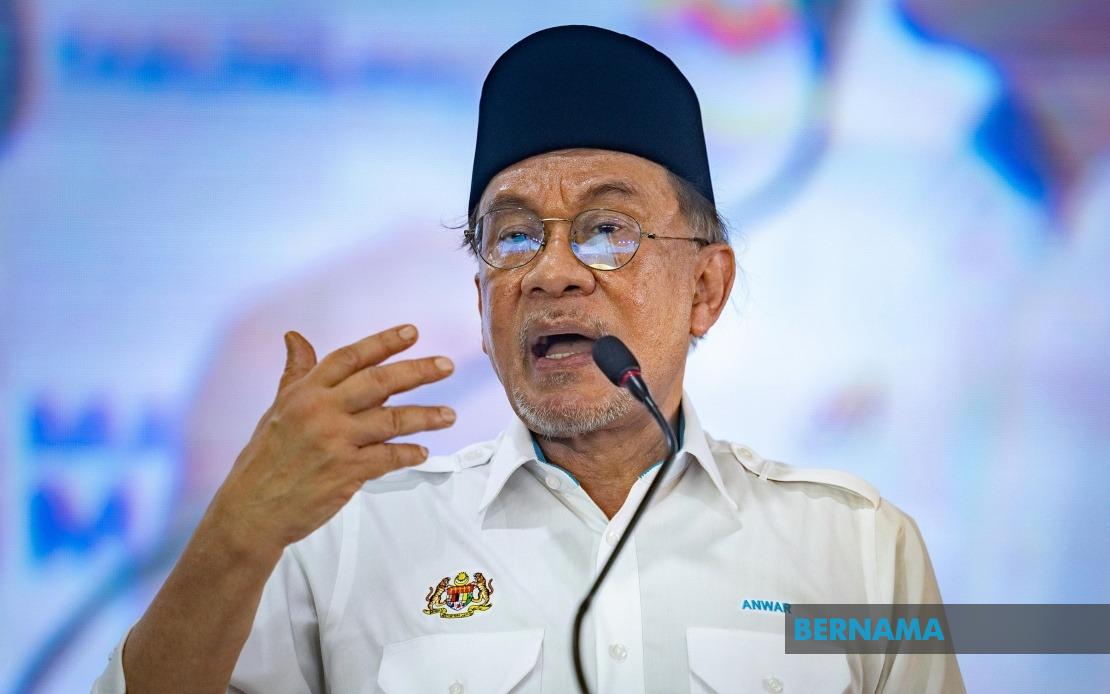
The MADANI administration has pledged sustained investment in upgrading religious and pondok schools throughout Malaysia, with Prime Minister Datuk Seri Anwar Ibrahim making the commitment during an address at the 2026 Perak Pondok and Religious Schools Gathering in Ipoh on July 19. The undertaking signals the government's determination to modernise these traditional educational institutions while preserving their core Islamic character and pedagogical values.
Pondok schools, which have historically served as cornerstones of Islamic education in Southeast Asia, faced a period of decline as technological advancement and curriculum diversification outpaced their capacity to adapt. These institutions, traditionally focused on religious scholarship and memorisation of classical texts, struggled to remain relevant as global education standards shifted toward broader knowledge domains. The Prime Minister acknowledged this historical lag, noting that pondok schools once fulfilled a vital educational role but gradually fell behind as they grappled with the challenge of integrating contemporary subjects alongside their religious curriculum.
The government's approach recognises the resilience and commitment demonstrated by Islamic religious teachers, pondok leaders, and senior scholars who have maintained the integrity of Islamic traditions and classical texts while simultaneously embracing innovation. Anwar expressed particular pride in this dual commitment, highlighting how these educational guardians are now exploring emerging disciplines including computer technology and artificial intelligence. This willingness to bridge traditional and modern knowledge represents a pragmatic response to the evolving expectations of students and families seeking both spiritual grounding and practical skills.
Central to the government's modernisation agenda is cooperation with Malaysia Digital Economy Corporation and the Implementation Coordination Unit within the Prime Minister's Department. These agencies have been instrumental in facilitating technological integration and coordinating implementation strategies across religious educational institutions. This inter-agency collaboration reflects a structured approach rather than ad-hoc initiatives, suggesting sustained institutional support and resource allocation.
Anwar's reference to his conversation with Sheikh Wazir Che Awang Al-Makki, a respected religious scholar from Kelantan, underscores direct engagement with community leaders and traditional Islamic figures. This dialogue-based approach acknowledges that meaningful reform requires consensus among those invested in preserving Islamic educational heritage. The Prime Minister's assurance contingent on sustained economic health demonstrates awareness that such expansions require fiscal stability and sustained government revenue.
The gathering in Perak drew senior government officials including Menteri Besar Datuk Seri Saarani Mohamad, Minister in the Prime Minister's Department (Religious Affairs) Dr Zulkifli Hasan, and Chief Secretary to the Government Tan Sri Shamsul Azri Abu Bakar. This high-level attendance reflects the political significance the administration attaches to religious education policy and the cross-departmental coordination required for implementation.
For Malaysian stakeholders, particularly Muslim families and religious communities, this commitment carries practical implications. Parents seeking Islamic education for their children may encounter improved infrastructure, updated learning resources, and qualified educators trained in both classical Islamic subjects and contemporary technologies. Students graduating from modernised pondok schools would theoretically possess competitive advantages in tertiary education and employment markets while maintaining religious grounding.
The integration of artificial intelligence and digital literacy into religious school curricula also positions Malaysia's Islamic education sector within global conversations about technology's role in preserving and transmitting traditional knowledge. Several Muslim-majority nations have begun similar projects, recognising that technological literacy among Islamic scholars and educators strengthens rather than threatens religious transmission.
However, the success of these initiatives ultimately depends on consistent resource allocation, teacher training programmes, and curriculum development that balances traditionalism with pragmatic modernisation. The MADANI Government's pledge suggests priority positioning within education policy, though implementation timelines and specific funding mechanisms remain subjects for close monitoring by stakeholders.
The commitment also carries broader implications for Malaysia's position as a Muslim-majority nation navigating contemporary challenges of education quality and relevance. By investing in religious school modernisation, the government signals that Islamic education need not remain isolated from technological advancement or contemporary knowledge domains. This approach may influence education policy discussions across Southeast Asia, where similar institutions grapple with comparable challenges of relevance and resource constraints.

