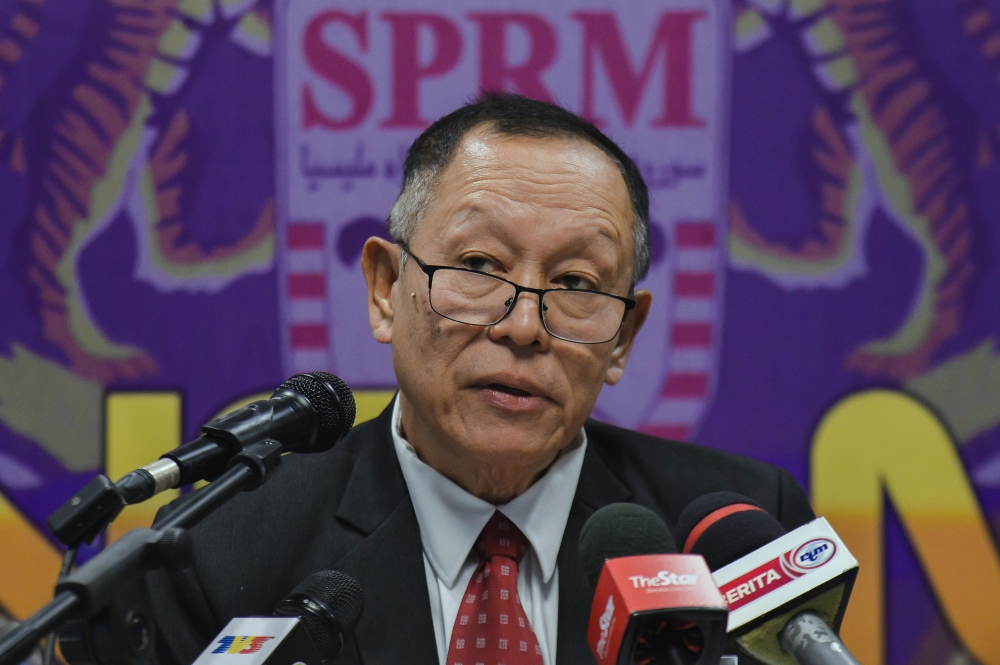
The Malaysian Anti-Corruption Commission concluded its extended questioning of the former chief financial officer of Tabung Haji on Thursday, marking the completion of a four-day investigative session in Putrajaya. The final day of statement recording represents a significant milestone in the anti-graft body's widening examination of the Islamic pilgrimage fund, which has faced mounting scrutiny over alleged financial irregularities and governance lapses in recent years.
Tabung Haji, formally known as the Lembaga Tabung Haji, manages the savings and hajj arrangements for Malaysian Muslims intending to perform the annual pilgrimage to Mecca. As a custodian of public trust handling billions of ringgit in pilgrim deposits, the institution's integrity directly affects millions of Malaysian families who have entrusted their life savings to the fund. The investigation into the former financial executive underscores growing concerns about accountability within one of Malaysia's most significant financial institutions.
The multi-day interrogation process reflects the complexity of allegations being examined. By extending questioning across four separate sessions, MACC investigators appear to be methodically building their case, delving into specific transactions, decisions, and institutional practices that may have breached fiduciary responsibilities. Such extended questioning typically indicates investigators are cross-referencing documents, establishing timelines, and probing the former CFO's knowledge and involvement in questionable financial arrangements or policy decisions.
The identity and specific allegations against the former chief financial officer remain undisclosed in official statements, though industry observers note that senior finance officials in large organisations often face heightened scrutiny during institutional probes. Their access to budgets, procurement decisions, and investment strategies positions them as central figures in investigations examining whether funds were misappropriated, improperly invested, or diverted through irregular channels.
Tabung Haji's challenges have been mounting for several years. The fund reported significant investment losses during the global pandemic and subsequent economic turbulence, eroding returns for individual pilgrims. Additionally, persistent allegations of mismanagement, including concerns over property ventures, affiliate company dealings, and executive compensation packages, have prompted calls from lawmakers and civil society organisations for comprehensive institutional reform. The MACC investigation represents the first formal enforcement action addressing these concerns.
The timing of this probe carries implications for Malaysia's broader anti-corruption drive. Under the administration of Prime Minister Anwar Ibrahim, the MACC has signalled renewed commitment to investigating financial crimes across government-linked companies and statutory bodies, areas that previously received inconsistent enforcement attention. Tabung Haji, as a government-owned institution holding public assets, falls squarely within this remit.
For Malaysian pilgrims and their families, the investigation raises immediate concerns about the safety of their accumulated savings. Many contributors, particularly from lower-income communities, view Tabung Haji as a secure mechanism for putting aside funds year-round specifically for the hajj obligation. Revelations of financial mismanagement could undermine confidence in the institution and prompt policy discussions about enhanced oversight mechanisms, independent audits, and clearer governance structures.
The conclusion of statement recording does not signal the end of the investigation. MACC typically follows formal questioning with document analysis, cross-examination of other witnesses, and consultations with legal advisors before determining whether charges should be filed. The process could take weeks or months, depending on the complexity of evidence and the number of individuals involved in the alleged misconduct.
Other witnesses and former officials may also face similar questioning as investigators map the decision-making processes and approval chains that led to contested financial arrangements. Several other former Tabung Haji executives have been mentioned in media reports as persons of interest, suggesting the investigation may expand beyond the former CFO.
The probe also intersects with broader concerns about governance within Malaysia's statutory bodies and government-linked companies. Many such organisations operate with significant autonomy, sometimes lacking adequate independent oversight or accountability mechanisms. This investigation may catalyse policy reforms mandating enhanced transparency, stronger audit committees with external representation, and clearer whistleblower protections across the institutional landscape.
Investigators will now shift focus to analysing the statements obtained, cross-referencing them with financial records, bank transactions, and communications. Any contradictions or inconsistencies could trigger additional rounds of questioning or lead to requests for supplementary information from the former CFO's legal representatives.
The investigation's outcome will likely carry symbolic importance beyond Tabung Haji itself. A credible inquiry resulting in charges and prosecution would signal that no organisation, regardless of its size or political connections, is beyond the reach of anti-corruption enforcement. Conversely, a inconclusive investigation or minimal sanctions would reinforce public scepticism about whether Malaysia's anti-graft machinery can effectively tackle entrenched institutional problems within government-owned enterprises.

