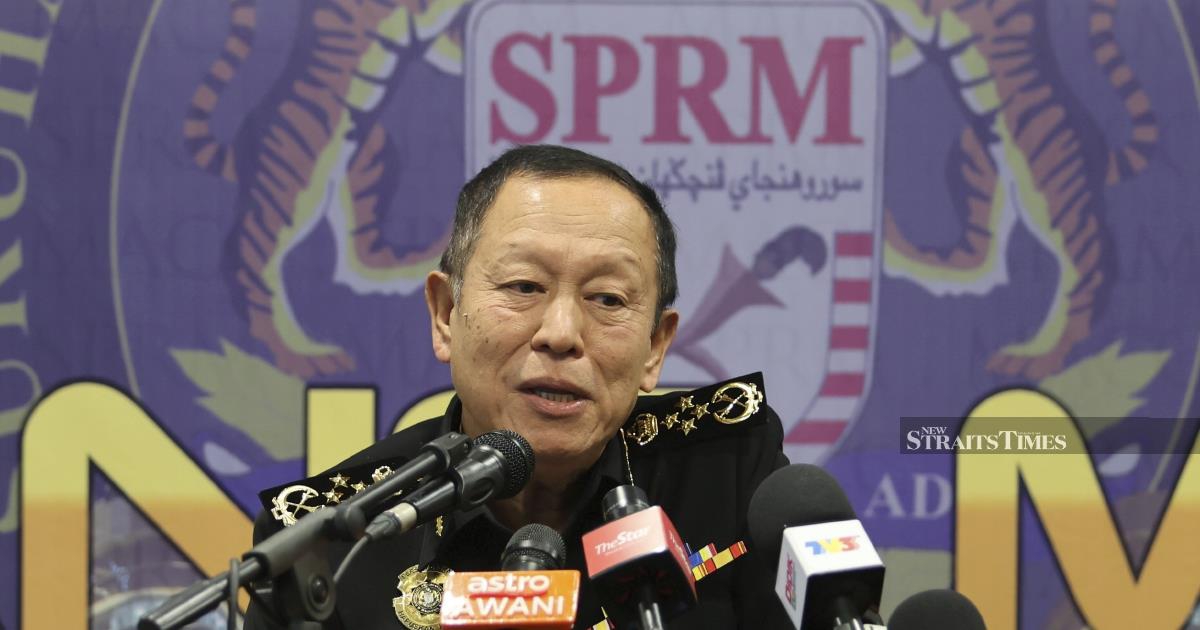
The Malaysian Anti-Corruption Commission (MACC) has intensified its scrutiny of the Retirement Fund (Incorporated) (KWAP) following a substantial investment decision that has drawn regulatory attention. As part of a formal investigation, the anti-corruption body has compiled statements from ten separate witnesses, a group comprising high-ranking personnel from both KWAP itself and the Finance Ministry, alongside other relevant stakeholders connected to the inquiry.
At the centre of the MACC's investigation lies KWAP's decision to deploy RM200 million into eFishery, an Indonesian company specializing in aquaculture technology and innovation. The investment represents a significant capital allocation by Malaysia's pension fund manager and has raised questions about governance, due diligence processes, and the underlying rationale for channelling retirement savings into an overseas venture within the emerging aquaculture sector.
The involvement of senior officials from both institutions signals the multi-layered nature of the investigation. KWAP, which manages retirement benefits for public sector employees across Malaysia, operates under regulatory oversight and fiduciary responsibilities. The presence of Finance Ministry representatives in the witness list suggests that government-level considerations and approvals may have featured in the investment decision-making process.
Investigations of this magnitude typically examine whether proper procedures were followed in assessing the investment opportunity, whether due diligence met required standards, and whether the decision served the best interests of pension fund members. The focus on aquaculture investment is noteworthy, as this sector has experienced significant global growth but also carries particular risks related to environmental sustainability, regulatory compliance in host countries, and market volatility.
Indonesia has emerged as a major player in aquaculture production, and technology-driven ventures in this space have attracted international investment. However, cross-border pension fund investments require heightened scrutiny to ensure that retirement savings—which represent future security for Malaysian public sector workers—are deployed prudently and with comprehensive risk assessment.
The statement-gathering phase indicates that investigators are working through an extensive evidence collection process before determining whether any formal charges or disciplinary actions might be warranted. Ten witnesses represent a substantial investigative footprint, suggesting multiple angles of inquiry and cross-verification of facts and decisions.
For Malaysian pension fund beneficiaries and the broader public, such investigations carry tangible implications. KWAP members depend on the fund's stewardship to preserve and grow their retirement assets. Any misallocation of capital or procedural failures could potentially erode returns and impact the financial security of hundreds of thousands of retirees and their families. The transparency with which authorities handle such inquiries reinforces institutional accountability and public confidence in how retirement savings are managed.
The timing and scope of the investigation also reflect a broader regional trend of heightened scrutiny on sovereign wealth and pension fund investments. Neighbouring economies have similarly examined major cross-border capital deployments to ensure alignment with fiduciary standards and national economic interests. Malaysia's approach demonstrates commitment to maintaining rigorous oversight of public financial institutions.
EFishery itself has been notable in Southeast Asia's fintech and agricultural technology ecosystem, having attracted venture capital and strategic partnerships. The platform typically focuses on connecting aquaculture farmers with markets and technology solutions, addressing inefficiencies in Indonesia's substantial fish farming industry. Understanding why KWAP selected this particular investment requires examining the fund's international diversification strategy and growth objectives.
The investigation's progression will likely involve detailed examination of investment appraisal documents, board meeting minutes, compliance sign-offs, and communications between relevant parties. Investigators may also scrutinize the financial performance metrics that were projected for the investment and compare them against actual outcomes or market conditions.
For the Finance Ministry and KWAP leadership, the investigation represents a critical moment in demonstrating institutional integrity and commitment to transparent governance. Public statements and cooperation with the anti-corruption authority will be closely observed by stakeholders ranging from pension beneficiaries to international observers of Malaysia's anti-corruption efforts.
The broader context matters considerably. Malaysia has invested substantially in strengthening its anti-corruption frameworks and enforcement capacity, and high-profile investigations of state-linked institutions reinforce those commitments. However, they also underscore the ongoing challenges of balancing strategic investment ambitions with fiduciary caution when public pension funds are involved.
As the MACC continues processing witness statements and examining documentation, the investigation's outcomes will carry implications for how Malaysian pension funds approach international investments going forward. Whether the inquiry concludes that standard procedures were properly observed or identifies governance gaps, the findings will likely shape future investment decision frameworks and oversight mechanisms across Malaysia's public financial sector.

