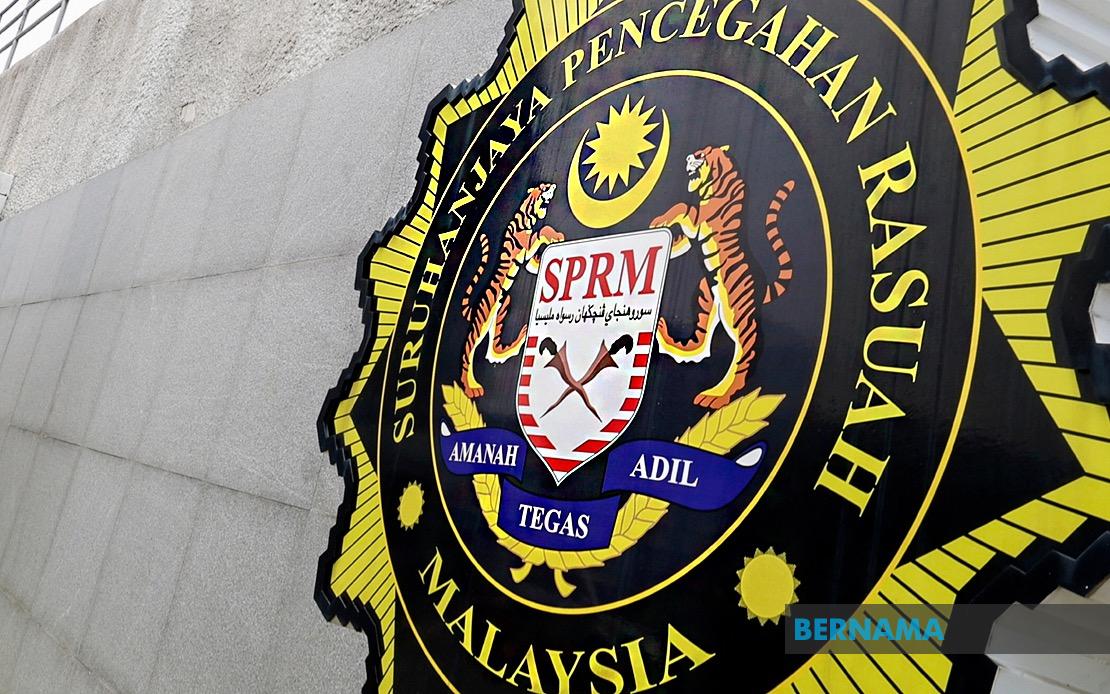
The Malaysian Anti-Corruption Commission has announced plans to establish a network of five dedicated operations rooms across Johor state ahead of the forthcoming state election, demonstrating the authority's commitment to maintaining electoral integrity during the three-week campaign period. These monitoring centres will serve as public-facing channels for citizens to report suspected corruption and abuse of power by candidates or political parties contesting the polls, operating continuously throughout the electoral cycle from June 27 through July 11.
The distribution of facilities reflects MACC's intent to ensure accessible reporting mechanisms across Johor's geography. Beyond the main operations hub at the MACC Johor headquarters in Tampoi, satellite offices will be established in the parliamentary regions of Batu Pahat, Kluang, Segamat, and Mersing. This geographic spread addresses the practical reality that Johor voters are distributed across both urban and rural constituencies, with some communities far removed from state capital infrastructure. The inclusion of offices in smaller towns underscores recognition that electoral misconduct does not concentrate in urban centres alone.
Maintaining round-the-clock operations for a sustained period represents a significant resource commitment. The 24-hour schedule beginning on nomination day—when candidates officially register their candidacies—extends through to July 11, ensuring that concerns arising at any phase of the campaign, including during the final days before voting, can be immediately documented. This continuous availability contrasts with conventional complaint mechanisms that operate within standard business hours, potentially missing allegations that surface during evening campaigning or weekend activities.
The commission has simultaneously established a digital reporting avenue through the dedicated email address [email protected], recognizing that not all citizens possess the inclination or ability to visit physical locations. Email complaints allow individuals in remote areas or those with mobility constraints to participate in the oversight process. This multi-channel approach—physical rooms supplemented by electronic submission—reflects modern anti-corruption practice that accommodates diverse public preferences and capabilities.
MACC's accompanying statement emphasizing professional and transparent investigation procedures addresses a persistent concern among Malaysian voters regarding the credibility of corruption investigations. By publicly committing to conduct inquiries in accordance with applicable legislation, the commission signals that allegations will not be weaponized for political advantage but will be assessed objectively against established legal standards. This framing matters considerably in an environment where public trust in institutional impartiality remains contested.
The explicit warning issued to candidates and political parties carries both procedural and symbolic weight. References to the MACC Act 2009 and the Election Offences Act 1954 (Amendment 2012) remind contesting parties of the legal boundaries governing campaign conduct. Beyond statutory reminders, such public admonitions function as deterrents by signalling that the commission's monitoring apparatus is active and that violations will trigger official response. The transparency of these warnings—made publicly rather than through confidential advisories—indicates MACC's confidence that the monitoring infrastructure will function effectively.
For Malaysian voters, particularly those in Johor who will determine the state government's composition, the operations rooms represent tangible institutional mechanisms for influencing campaign conduct standards. Rather than relying solely on political parties' internal discipline or voter expectations, citizens gain formalized channels to escalate concerns about rule-breaking. This capacity proves especially relevant in contests where candidates or parties may feel incentivized to engage in marginal infractions—excessive spending, impersonation of officials, or intimidation tactics—believing detection unlikely.
The election timetable itself structures the significance of these monitoring arrangements. With nomination occurring June 27, early voting on July 7, and general polling on July 11, the operational period spans precisely the campaign window when public engagement peaks and voter behaviour is most malleable. Early allegations addressed swiftly could influence voter perceptions before ballots are cast, whereas investigations launched after July 11 serve primarily accountability functions for post-election analysis and potential sanctions.
Regionally, Johor's electoral context carries implications beyond the state itself. As Malaysia's most populous peninsula state and a longtime Barisan Nasional stronghold, Johor elections often signal broader political currents affecting federal dynamics. The anti-corruption infrastructure deployed here may establish precedents informable for future national or state-level electoral exercises, suggesting that if the five-room model proves operationally effective, similar structures might be replicated elsewhere.
The initiative simultaneously reflects evolving standards for electoral administration in Southeast Asia. Countries across the region have increasingly recognized that election-day logistics represent only partial components of electoral integrity; sustained monitoring of campaign-period conduct determines whether voters enjoy genuine choice unfettered by official misconduct. Malaysia's deployment of dedicated anti-corruption resources during the campaign itself positions the country within international best practices, though implementation quality will ultimately determine whether these structures fulfill their institutional purpose.

