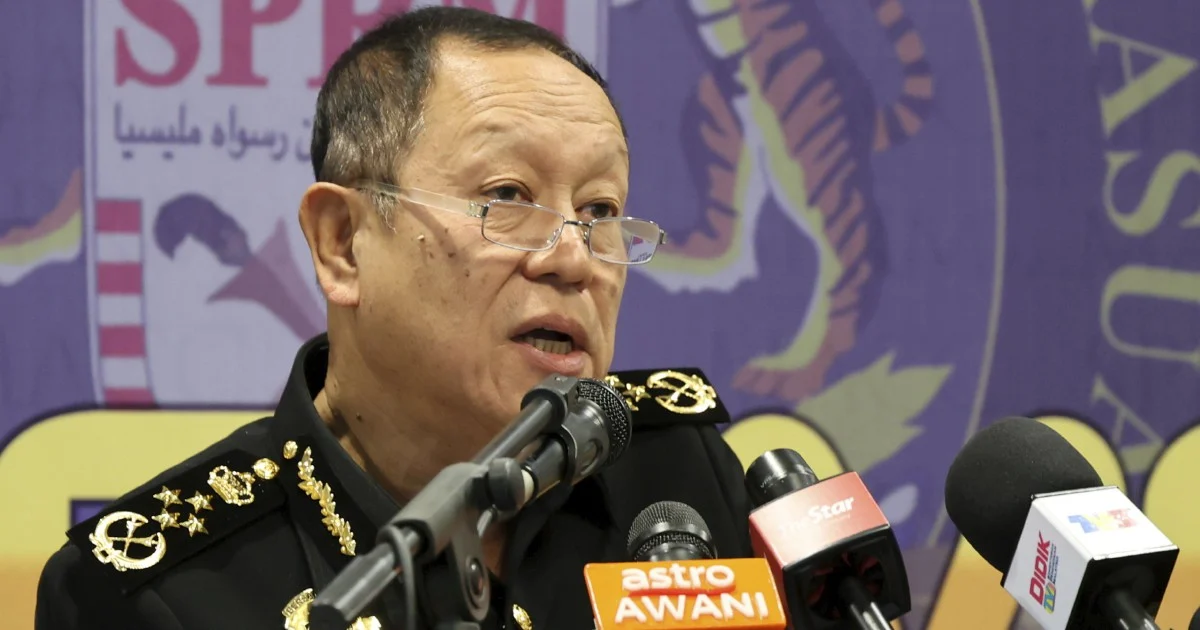
The Malaysian Anti-Corruption Commission announced on Tuesday that it intends to question several individuals as part of an ongoing investigation into a high-value property transaction in the United States that authorities believe may have involved stolen 1Malaysia Development Bhd funds. Among those expected to be summoned is the wife of a former Malaysian prime minister, marking a significant escalation in the long-running probe into how billions of ringgit disappeared from the sovereign wealth fund during the 2009-2014 period.
This latest development underscores the continued international dimensions of the 1MDB scandal, which has stretched across multiple continents and involved complex financial networks designed to obscure the origins and destinations of misappropriated state assets. The US property in question represents one of several real estate acquisitions that prosecutors and investigators have scrutinised as potential conduits for laundering funds siphoned from 1MDB, which was intended to drive Malaysia's economic and infrastructure development but instead became a vehicle for unprecedented grand corruption.
The investigation into luxury properties purchased with allegedly looted funds has become a cornerstone of efforts to recover Malaysian assets and demonstrate the full scope of the conspiracy. American authorities have cooperated extensively with their Malaysian counterparts in tracing these transactions, recognising that the 1MDB scandal represents one of the largest financial crimes of the modern era. The focus on residential assets reflects a broader pattern whereby accused conspirators allegedly used shell companies and intermediaries to acquire high-value properties across major global financial centres, including New York, London, and Los Angeles.
The involvement of a former prime minister's spouse in the investigation signals that authorities are pursuing all potential beneficiaries of the scheme, regardless of their proximity to political power. Previous court proceedings have established that the conspiracy operated at the highest levels of government, with officials leveraging their positions to facilitate the diversion of funds. The decision to formally interview individuals through MACC's official investigative processes represents a measured but determined approach to building evidentiary foundations for potential prosecutions.
For Malaysian readers, this development carries significant implications for the nation's anti-corruption efforts and international reputation. The continued scrutiny of high-profile individuals demonstrates that the authorities remain committed to holding even the most powerful to account, though critics argue the pace of accountability has been slower than the severity of the offences would warrant. The case has already resulted in several convictions and substantial prison sentences, yet questions persist about whether the full network of conspirators has been comprehensively identified and pursued.
The MACC's involvement reflects Malaysia's formal jurisdiction over citizens and permanent residents who may have benefited from or facilitated the theft of state assets. International cooperation remains crucial, as the funds were traced through banking systems across multiple countries before reaching their final destinations. This case exemplifies the challenges that developing nations face when combating transnational financial crime, particularly when sophisticated actors employ professional financial services to obscure illicit transactions.
The timeline for interviewing witnesses and potential suspects remains fluid, with MACC typically providing specific dates to individuals subject to formal investigation. The commission has demonstrated its capacity to conduct detailed inquiries into complex financial matters, though previous critiques have raised concerns about independence and consistency in pursuing cases involving politically connected individuals. The current investigation will likely focus on the chronology of property purchases, source documentation, the identity of beneficial owners, and the mechanisms through which funds were transferred from 1MDB to intermediary accounts before reaching the property seller.
Regional observers view the 1MDB case as a bellwether for anti-corruption efforts across Southeast Asia. Malaysia's experience demonstrates both the capacity of weak institutional oversight to enable massive theft and the potential for determined investigation and prosecution to deliver some measure of accountability. The involvement of American authorities and assets on US soil has also meant that foreign enforcement agencies have played active roles in advancing the investigation, setting precedents for regional cooperation on financial crime.
The investigation into the US property represents an important but narrower focus than the broader 1MDB inquiry, which encompasses financial misconduct spanning a much wider scope. Prosecutors will need to establish direct links between the property purchase and funds originating from 1MDB rather than other potential sources, a requirement that necessitates meticulous document examination and forensic financial analysis. The interviews scheduled by MACC will form part of this foundational evidence-gathering process before determinations about charges and prosecutions are made.

