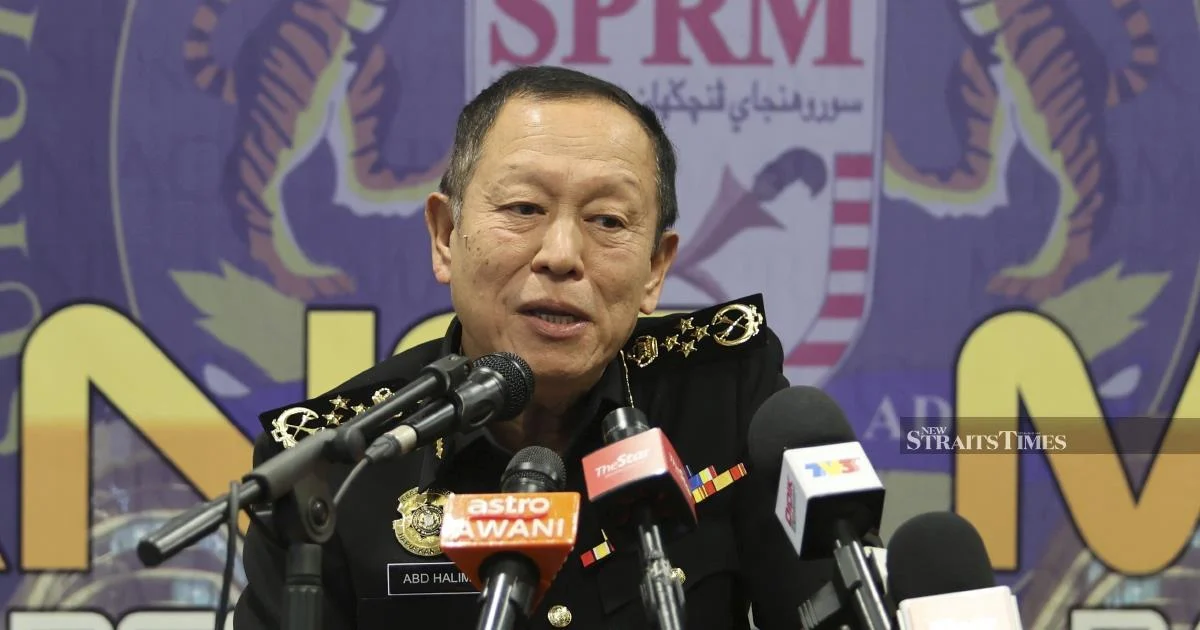
Malaysia's top anti-corruption watchdog has moved to quash any lingering doubts about the status of one of the country's most prominent financial fraud investigations. The Malaysian Anti-Corruption Commission said on Wednesday that its continuing pursuit of fugitive businessman Low Taek Jho remains an active priority, dismissing any notion that the case had been allowed to lapse or be filed away.
The assertion from MACC leadership carries particular significance given the international scale and complexity of the investigation, which has drawn scrutiny from financial regulators across multiple continents. Low, the mastermind behind the massive 1Malaysia Development Berhad scheme that ensnared billions in state funds, has remained at large despite warrants for his arrest and his status as one of the world's most wanted financial criminals. The commission's public confirmation that investigative work has not ceased addresses persistent questions about whether domestic authorities maintain adequate resources and commitment to pursuing the case as the years accumulate since initial discoveries of wrongdoing.
The fugitive businessman's disappearance into hiding while faces mounting charges and evidence represents a significant challenge to Malaysia's reputation for financial governance. His ability to evade capture across multiple jurisdictions has prompted international cooperation frameworks and coordination among enforcement agencies from Asia, Europe, and North America. The ongoing investigation reflects the intricate nature of tracing assets allegedly siphoned through complex webs of shell companies, offshore accounts, and real estate transactions spanning continents.
Jho Low's case emerged as a central element in Malaysia's broader reckoning with governance failures during the preceding administration. Investigators uncovered the diversion of approximately USD 4.5 billion from 1MDB, Malaysia's now-defunct state investment fund, through sophisticated money laundering networks. The scandal implicated senior government figures, triggered international arrests and convictions, and sparked sweeping reforms in financial oversight mechanisms. For Malaysian citizens and regional observers, the case symbolises both the vulnerability of state institutions to grand corruption and the authorities' capacity to eventually uncover and respond to financial malfeasance at the highest levels.
The commission's reaffirmation assumes added importance as time passes without Jho Low's capture. Each passing year risks allowing crucial leads to grow cold and evidence to degrade. However, advances in international cooperation frameworks, intelligence sharing between financial regulators, and evolving technologies for tracking digital asset movements have strengthened the investigative toolkit available to authorities. MACC's continued pursuit reflects Malaysia's commitment to the international anti-corruption agenda and cooperation with foreign law enforcement partners who have similarly prioritised the case.
For Malaysia's standing within Southeast Asia and on the global stage, demonstrating persistent investigative determination carries symbolic weight beyond the immediate case. The region has faced scrutiny regarding compliance with international financial standards and anti-money laundering protocols. Nations across ASEAN have worked to strengthen transparency frameworks and cross-border cooperation mechanisms. Malaysia's visible commitment to pursuing major financial criminals, regardless of their ability to flee, reinforces the country's positioning as serious about upholding international financial governance standards.
The investigation's continuation also reflects practical investigative strategies that may not require Jho Low's immediate apprehension to achieve meaningful results. Authorities have pursued parallel efforts targeting his associates, tracing asset movements, and dismantling the financial networks through which illicit funds flowed. Every conviction of individuals connected to the 1MDB scheme and every asset recovery strengthens the investigative foundation and disrupts the ecosystem that enabled large-scale financial crime.
International cooperation remains central to any resolution of the Jho Low case. Various countries maintain independent investigations while coordinating through formal channels and information-sharing agreements. Some jurisdictions have already secured convictions against individuals implicated in 1MDB-related misconduct. These parallel proceedings generate corroborating evidence and build a comprehensive picture of the conspiracy's scope and mechanics.
The commission's statement signals to international partners that Malaysia maintains sustained commitment to pursuing outstanding leads and cooperating on extradition arrangements should Jho Low be located. Such assurances prove important for maintaining intelligence sharing relationships and ensuring that cooperation frameworks remain robust. Regional and international financial regulators must be convinced that commitments to asset recovery and prosecution remain genuine and resourced adequately.
For the broader Malaysian public, confirmation that investigation continues provides some reassurance that a principal architect of one of the country's greatest financial frauds has not been permitted to disappear into comfortable exile. The case has profoundly influenced public discourse regarding transparency, accountability, and institutional reform. Sustained investigative activity, even in the absence of dramatic arrests, demonstrates that the system continues working toward accountability, albeit through slower, more methodical processes.
The path forward for the investigation likely involves combinations of conventional detective work, international cooperation, asset tracking, and pursuit of remaining associates who have not yet faced prosecution. While Jho Low's capture would provide dramatic closure, the investigation's value extends beyond apprehending a single fugitive to encompassing the broader project of disrupting financial crime networks and recovering stolen assets for the Malaysian state.

