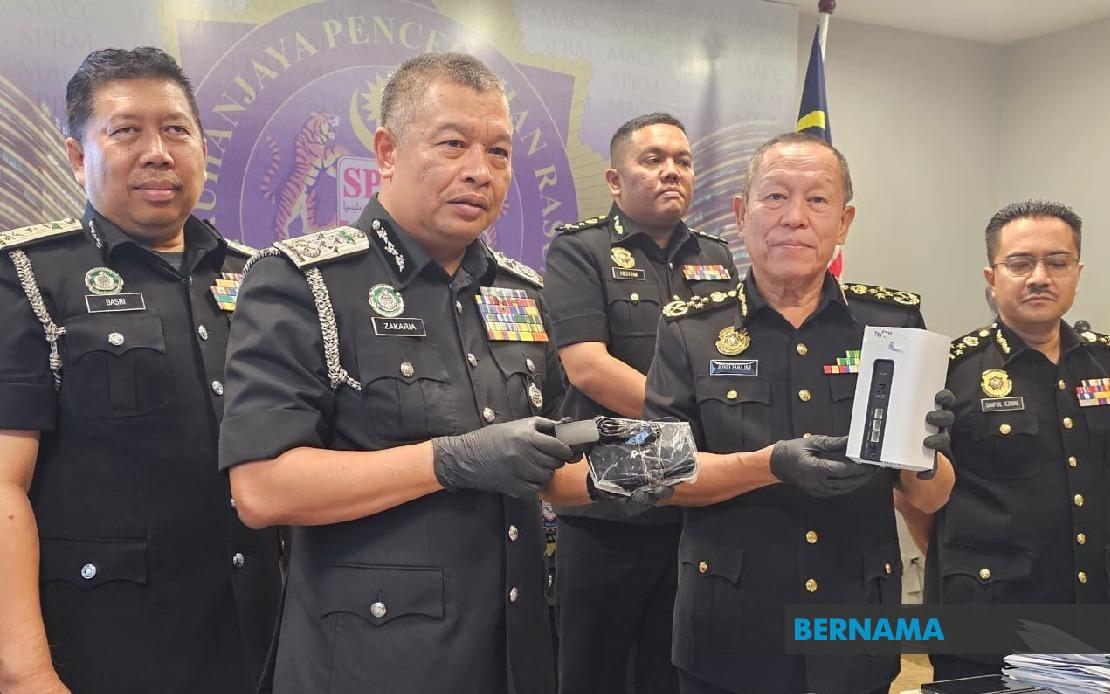
The Malaysian Anti-Corruption Commission has formally begun investigating the Tabung Haji controversy in response to findings detailed in a Royal Commission of Inquiry report made public this week. An eight-member MACC team entered the Tabung Haji building on Wednesday morning to initiate the probe, acting on Prime Minister Datuk Seri Anwar Ibrahim's recommendation that enforcement authorities pursue appropriate action based on the RCI's conclusions.
MACC chief commissioner Datuk Seri Abd Halim Aman outlined the scope of the initial phase during a briefing at MACC headquarters in Putrajaya. The investigation team will focus on gathering and analysing documentation highlighted in the RCI findings, while simultaneously identifying individuals for statement recording. The commission's work will proceed according to established investigative protocols, with documents deemed relevant to the inquiry being secured for detailed examination.
The investigation lacks temporal boundaries, instead drawing guidance directly from the RCI's findings and recommendations. This approach suggests the MACC intends to follow investigative leads wherever they lead rather than confining scrutiny to a particular timeframe. When questioned about whether former and current TH leadership would face questioning, Abd Halim confirmed that any individual identified through the investigation process would be summoned to provide statements.
The MACC established a dedicated investigation unit headed by Investigation Division senior director Datuk Mohd Hafaz Nazar to examine legal violations contained within the RCI report. This team will specifically assess allegations touching on corruption, embezzlement, document forgery, abuse of authority and money laundering infractions under the MACC Act 2009 and the Anti-Money Laundering, Anti-Terrorism Financing and Proceeds of Unlawful Activities Act 2001.
The RCI report, publicly released through the Department of Islamic Development Malaysia's portal, contained multiple concerning findings that prompted the formal enforcement action. The inquiry, which examined Tabung Haji's governance and operational practices spanning 2014 to 2020, identified problematic investment patterns that substantially depleted the institution's asset base. Beyond documenting investment failures, investigators discovered evidence of suspicious financial transactions and deliberate concealment of material information by management.
The commission's recommendations include conducting a comprehensive forensic audit to trace how past investment decisions were authorised and executed, ultimately resulting in significant asset depreciation. This forensic examination would provide critical insight into the decision-making apparatus that led to TH's financial deterioration, examining the mechanisms through which these choices received institutional approval and implementation.
Tabung Haji holds particular significance within Malaysia's financial ecosystem and public consciousness. As the nation's primary pilgrimage savings institution, it manages funds belonging to hundreds of thousands of Malaysian Muslims preparing for the hajj. The mismanagement allegations thus carry implications extending beyond corporate governance failures to affect ordinary citizens' retirement and religious observance savings. The scale of asset losses and the institutional nature of the problems identified in the RCI raise serious questions about oversight mechanisms and accountability structures within faith-based financial institutions.
For Southeast Asian observers, the Tabung Haji situation illuminates broader governance challenges facing religiously-affiliated financial institutions across the region. The case demonstrates how trust-dependent organisations serving specific faith communities require equally robust regulatory frameworks as conventional financial institutions. The RCI's findings suggest that religious or cultural positioning does not exempt institutions from standard governance standards or corruption risks.
The MACC's deployment represents a crucial enforcement escalation from investigative review to active criminal inquiry. The transition from internal institutional examination to external law enforcement scrutiny signals that alleged violations potentially exceed civil or administrative remedies, possibly warranting criminal prosecution. This escalation timeline—from RCI completion to MACC field deployment—reflects governmental determination to pursue accountability expeditiously.
The investigation's comprehensive mandate reflects serious institutional concerns. By declining to bound the inquiry temporally and instead following evidential threads identified in the RCI report, the MACC preserves flexibility to pursue discoveries wherever investigations lead. This approach suggests investigators anticipate interconnected violations spanning multiple years and involving numerous individuals, rather than isolated incidents or individual misconduct.
Tabung Haji's predicament carries implications for Malaysian financial market confidence and regulatory perception. The institutional failures detailed in the RCI report and now under MACC investigation undermine public confidence in governance systems designed to protect citizen savings. The enforcement response demonstrates governmental commitment to accountability, though public perception will ultimately depend on investigation outcomes and any subsequent prosecutorial action against implicated individuals.
Looking forward, the investigation will likely determine whether administrative mismanagement, criminal negligence, or deliberate malfeasance characterised TH's decision-making. The distinction matters considerably for both institutional remediation and potential criminal accountability. The MACC's willingness to pursue comprehensive investigation suggests preliminary evidence sufficiently substantive to warrant formal enforcement action, setting the stage for potentially significant prosecutions within Malaysia's financial regulation framework.

