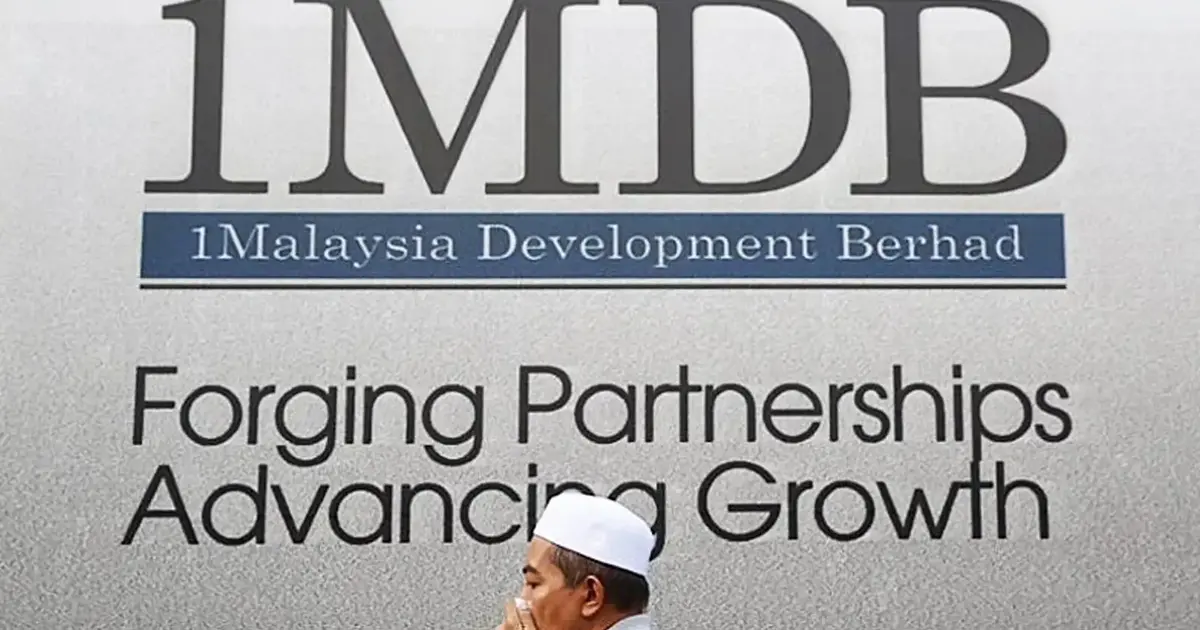
The Malaysian Anti-Corruption Commission (MACC) has initiated a formal investigation into an overseas property portfolio worth approximately RM59 million that authorities believe may be connected to the 1MDB scandal, one of the world's most notorious financial frauds. MACC chief Abd Halim Aman confirmed the agency is examining allegations of corruption, money laundering, and potential asset recovery related to the luxury properties in question, signalling a fresh push by Malaysian authorities to pursue financial trails linked to the sovereign wealth fund debacle that has captivated international attention since its collapse in 2015.
The move represents a continuation of Malaysia's persistent efforts to uncover and recover assets allegedly misappropriated from 1MDB, the state investment vehicle that became the epicentre of a global graft investigation implicating senior government officials and international financiers. The focus on overseas property holdings underscores how proceeds from the fund's alleged theft were systematically concealed and converted into tangible assets across multiple jurisdictions, a common money laundering technique employed to distance illicit wealth from its criminal origins and create the appearance of legitimacy.
The RM59 million figure attached to these properties reflects only a portion of the vast sums believed to have been siphoned from 1MDB's accounts, which totalled approximately USD 4.5 billion at the fund's peak. Investigation teams from MACC are examining documentation, ownership structures, and fund flows to establish definitively whether these overseas holdings were acquired using stolen 1MDB money, a process that typically involves piecing together complex international financial arrangements and tracing cross-border transactions through multiple intermediaries.
Malaysia's anti-corruption apparatus has significantly strengthened its capacity to pursue international financial investigations following the initial 1MDB scandal. The MACC's current focus on asset recovery demonstrates how authorities are expanding their investigative scope beyond charging individuals to systematically identifying and reclaiming wealth that was unlawfully removed from the country. This approach mirrors international best practices championed by jurisdictions tackling large-scale corruption, where recovering stolen assets serves both as a deterrent and as a practical means of restoring public funds.
The luxury property sector has emerged as a preferred vehicle for laundering proceeds from major corruption schemes, particularly in high-value international markets where property transactions can be structured through complex corporate entities that obscure beneficial ownership. Overseas properties linked to 1MDB have previously been located in jurisdictions including the United States and other global financial centres, with some assets eventually seized or recovered through international cooperation agreements and legal proceedings.
For Malaysian readers, the MACC investigation carries significant implications regarding the ongoing accountability for 1MDB-related misconduct and the government's commitment to recovering public money. The scale of investigation into these specific properties suggests that authorities have obtained credible intelligence pointing toward connections with 1MDB funds, potentially through bank records, witness testimony, or international intelligence sharing mechanisms established during earlier phases of the scandal's investigation.
The investigation also highlights the complexity Malaysian authorities face in pursuing cross-border financial crime, particularly when assets are held through layers of corporate structures and trusts designed to conceal true ownership. International cooperation remains essential for accessing foreign bank records, property registries, and witness testimony, requiring MACC to coordinate with counterpart agencies in jurisdictions where properties are located and where transactions were processed.
This latest probe arrives amid broader global efforts to address illicit financial flows and improve asset recovery mechanisms across Southeast Asia. The region has become increasingly important to international financial crime watchdogs, given its position as both a source and transit point for laundered proceeds from corruption schemes throughout Asia. Malaysia's demonstrated willingness to pursue 1MDB-connected assets years after the scandal's initial exposure sends a message that authorities remain committed to long-term accountability despite the immense logistical and legal challenges involved.
The MACC's investigation into these specific properties may yield valuable intelligence about how 1MDB funds were distributed internationally and who benefited from their misappropriation, potentially supporting prosecutions or civil asset recovery actions. Each property traced to 1MDB proceeds and successfully recovered represents both a symbolic victory for Malaysian authorities and a tangible return of public resources that were originally intended for nation-building initiatives.
Looking forward, the investigation underscores the enduring legacy of 1MDB within Malaysia's institutional memory and regulatory frameworks. The scandal fundamentally reshaped how Malaysian authorities approach corruption investigations, international financial cooperation, and asset recovery strategies. For Southeast Asian jurisdictions observing Malaysia's experience, the MACC's persistent pursuit of 1MDB-related assets provides both a cautionary tale about the scale of potential financial fraud and a model for sustained investigative commitment in the face of international complexity.

