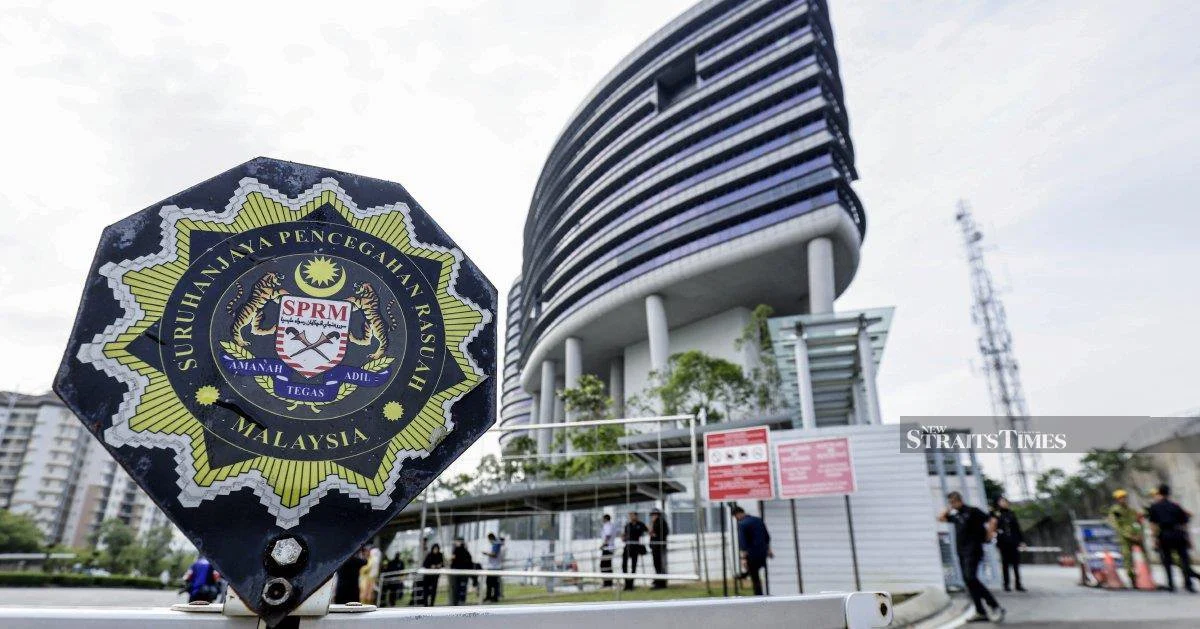
The Malaysian Anti-Corruption Commission has signalled its intention to conduct a comprehensive review of governance structures and operational procedures underpinning the Daya Kerjaya 2.0 employment incentive scheme, as investigators deepen their probe into suspected fraudulent submissions totalling RM9 million. The decision represents a shift from focusing solely on individual culprability to examining systemic vulnerabilities that may have enabled or facilitated the alleged misconduct.
Daya Kerjaya 2.0, a flagship initiative designed to boost employment opportunities and provide financial incentives to businesses and workers, has become the subject of heightened scrutiny following the discovery of what authorities describe as substantial fraudulent activity. The RM9 million in allegedly improper claims signals not merely isolated wrongdoing but rather patterns that suggest underlying weaknesses in how the programme validates submissions, monitors fund disbursement, and enforces compliance among participating stakeholders.
The MACC's decision to examine governance architecture reflects a broader recognition within Malaysia's oversight bodies that preventing corruption often depends less on apprehending perpetrators after the fact than on constructing institutional safeguards that make fraud more difficult to execute. By investigating procedural gaps, the commission aims to identify points in the application and verification workflow where controls proved insufficient to detect or deter deception.
The employment incentive scheme occupies an important position within Malaysia's economic recovery and job creation framework, particularly following disruptions from the pandemic. The programme connects employers seeking to expand their workforce with government support mechanisms designed to defray hiring costs and training expenses. Its significance extends beyond immediate economic metrics; as a visible demonstration of state capacity to deliver targeted assistance, any erosion of public confidence through fraud allegations carries wider implications for how Malaysians perceive institutional trustworthiness.
Governance weaknesses identified in the investigation may encompass multiple dimensions. Documentation verification procedures could have inadequately cross-referenced employer claims against tax records or employment databases. Processing workflows might have lacked adequate segregation of duties, allowing individuals to approve submissions they themselves initiated or influenced. Digital systems supporting the scheme could have contained insufficient audit trails or data validation protocols. Training provided to implementing agencies or programme administrators may have been insufficient to equip them to identify false or suspicious applications.
The MACC's multidimensional approach also acknowledges that fraudulent schemes often exploit grey zones rather than breaking obvious rules. Applicants might have submitted technically complete paperwork containing subtly inflated figures, misclassified expenditures, or overstate employment relationships in ways difficult to detect without deep institutional knowledge or cross-referencing with independent data sources. Addressing such vulnerabilities requires examining not just what rules exist on paper but how they function in practice across different implementing agencies and geographic jurisdictions.
For Malaysian businesses and workers relying on such schemes, the investigation's findings carry practical weight. Stricter governance frameworks, while reducing opportunities for abuse, could increase administrative burdens on legitimate participants, potentially slowing application processing or requiring additional documentation. The government will need to balance fraud prevention against accessibility and efficiency—a tension familiar to administrators designing public assistance programmes globally. How the MACC recommendations are ultimately implemented will influence whether Daya Kerjaya 2.0 emerges from this crisis with substantially reformed procedures or merely superficial adjustments.
The inquiry also intersects with Malaysia's broader anti-corruption agenda and international reputation. As a country working to strengthen institutional integrity and demonstrate commitment to combating graft, the visibility and thoroughness of investigations into government-administered schemes signal commitment to accountability. Conversely, if systemic weaknesses permitted substantial fraud to occur undetected for extended periods, it raises questions about adequacy of oversight mechanisms protecting other large public expenditure programmes.
Stakeholders including employer associations, worker representatives, and implementing ministry officials will likely face scrutiny regarding their roles in scheme administration. The MACC's governance review should clarify whether inadequate oversight stemmed from insufficient resources, unclear accountability chains, lack of coordination between agencies, or deliberate abdication of responsibility by officials charged with maintaining programme integrity.
The investigation's scope extending beyond individual perpetrators to institutional structures reflects sophisticated anti-corruption methodology. Effective anti-graft work increasingly recognises that while individual accountability matters, sustainable corruption prevention requires embedding controls within institutional design itself. By examining how the Daya Kerjaya 2.0 scheme functions from application through fund disbursement, investigators can identify preventive measures applicable not only to this programme but potentially to other government-funded employment or business support initiatives.
Looking forward, the outcomes of this governance review will likely produce recommendations addressing everything from digital system enhancements to revised approval protocols and enhanced training for programme administrators. Implementation of these recommendations should be accompanied by clear timelines and measurable indicators of improved compliance, allowing the public and oversight bodies to assess whether weaknesses have genuinely been remedied or merely documented.